What a skincare manufacturer actually needs to get right
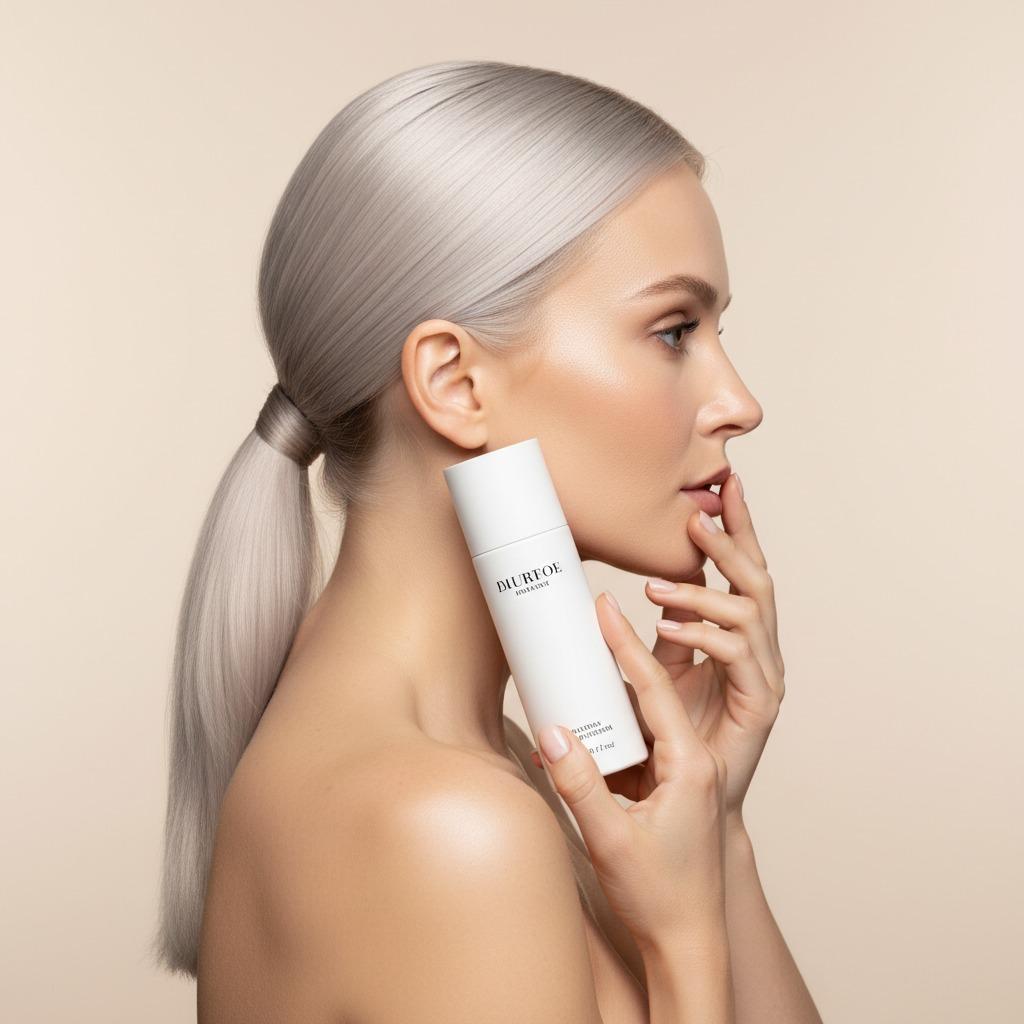
A skincare manufacturer is judged long before the product touches skin. Buyers look at the bottle, the spray pattern, the label, the fill consistency, and whether the item feels suitable for the shelf it will sit on. In the case of a spray-format personal-care product such as a scalp or hair mist, packaging is not decoration; it is part of the user experience and, often, part of the product’s credibility. That is why sourcing teams comparing a skin care factory or cosmetic factory usually end up asking the same practical question: who can make the product look clean, dispense properly, and survive real-world handling without drama?
That decision matters because personal-care buyers are rarely buying just one bottle. They are buying a repeatable process. If a factory can mold the container, print the label, fill the product, and pack it in a way that stays consistent across batches, the rest of the supply chain becomes much easier. If it cannot, even a decent formula can lose appeal fast.
The product format: why spray packaging changes the manufacturing conversation
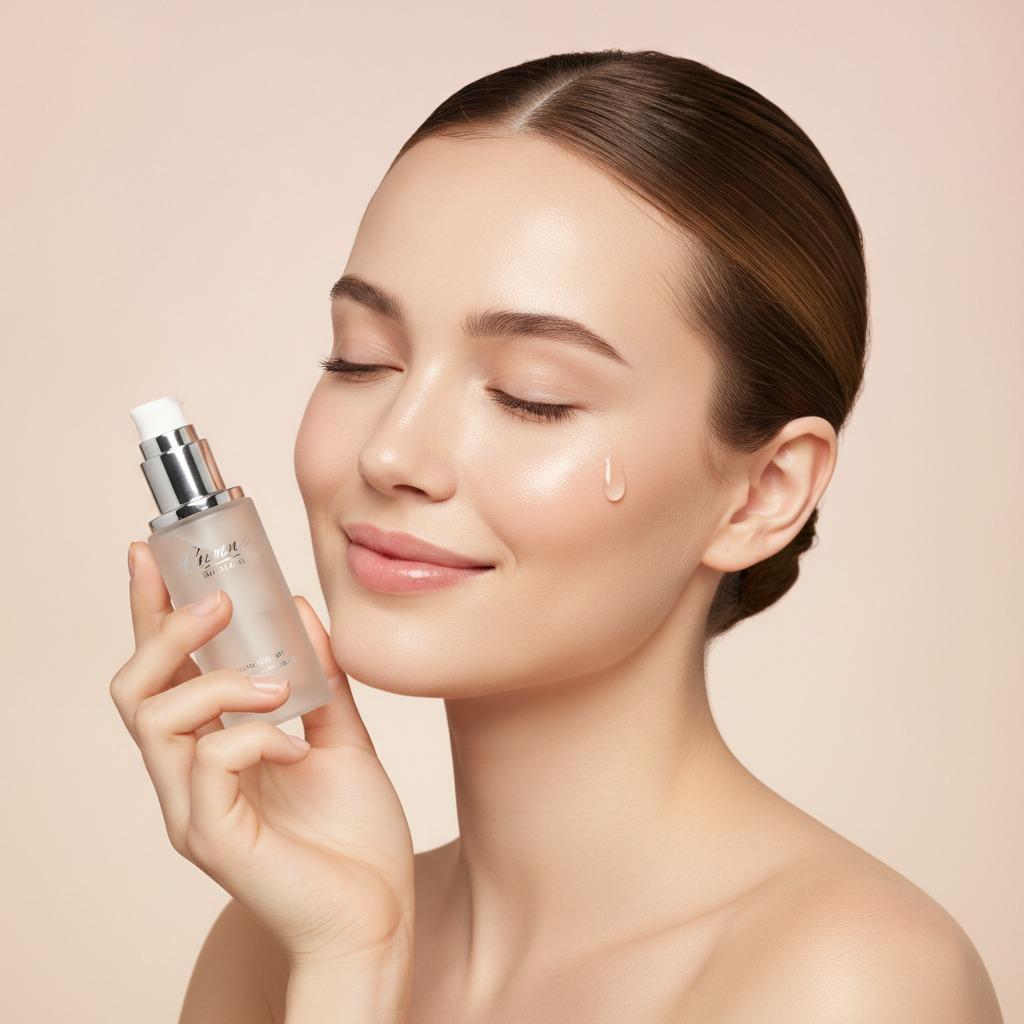
The product in question is a handheld spray or mist format, likely intended for topical hair or scalp use. The visible structure is straightforward: a tall cylindrical white bottle with a dark cap and a minimalist label. It is a familiar retail shape, but that simplicity hides a few manufacturing requirements that buyers should not overlook.
A spray product has to do several things well at once:
- the bottle must hold its shape and present cleanly on the shelf,
- the dispensing component must deliver a controlled spray or mist,
- the label must stay legible and adhered through handling,
- and the filled unit must not leak during storage or shipping.
For a skincare manufacturer, these are not separate issues. They are connected. A bottle that looks premium but does not pair well with the sprayer will frustrate customers. A formula that works in a lab but clogs the nozzle will also fail, even if the bottle itself is attractive. In personal care, the package and the product are inseparable in the buyer’s mind.
From bottle to finished SKU: the basic production chain
The image suggests a packaged cosmetic SKU assembled through plastic bottle molding, label printing, and fill-and-pack bottling. That is a common route for hair and scalp sprays, although the exact formula and filling method are not visible and should not be assumed.
A typical workflow at a cosmetic factory for this kind of item often includes:
1. Container forming or sourcing
The white cylindrical bottle may be injection-molded or otherwise sourced as a standard pack component. For many buyers, the choice is between a stock container and a custom mold. Stock packaging is faster and usually easier for early-stage launches. Custom packaging gives stronger brand identity, but it increases complexity and can make the supply chain less flexible.
2. Label application
The minimalist label on this kind of bottle is doing more than providing brand recognition. It has to communicate product identity clearly, leave enough white space to look clean, and remain readable under bathroom conditions where moisture and handling are routine. Smudged or peeling labels make a cosmetic product look lower-value than it is.
3. Filling and closure
The filling method depends on the product’s viscosity and sensitivity, which is not identifiable from the image. A skincare manufacturer may use different filling approaches for lightweight waters, thicker serums, or aerosol-like mist products. The important point for buyers is to confirm that the factory understands the interaction between formula, pump, and closure.
4. Final packing and carton control
Retail-ready personal-care products are often judged by shipping presentation as much as by formula. A small leak can damage cartons, confuse distributors, and create warehouse returns. Good pack-out discipline matters more than many first-time buyers expect.
What sourcing teams should compare first
When evaluating a skin care factory, the temptation is to start with samples and price. Those matter, but they are not the first filter. The more useful starting point is capability alignment.
A buyer should ask whether the manufacturer can handle the product category, the packaging format, and the order profile without stretching its process. A plant that excels at heavy-duty transport solutions, for example, would not be the right fit for cosmetic fill-and-finish work, no matter how strong its logistics network is. Industrial manufacturing strength does not automatically translate to personal-care packaging.
For this kind of cosmetic spray SKU, the comparison should focus on:
- packaging compatibility with spray or mist applicators,
- labeling and visual consistency,
- filling discipline and closure integrity,
- quality control on appearance and leak prevention,
- and whether the supplier can support OEM or ODM needs.
That last point is especially relevant when a brand wants to launch a private-label skincare or haircare line. A capable manufacturer should be able to adjust packaging details without forcing the customer into a one-size-fits-all product.
Selection criteria that actually affect sales
Some sourcing criteria look technical on paper but end up shaping sell-through in the market. A white cylindrical bottle, for instance, signals cleanliness and simplicity. That can work well for scalp care, hair treatments, or minimalistic skincare lines. It can also look generic if the label design is weak. Branding and packaging have to carry the product story.
The most practical criteria are often the least glamorous:
- Does the bottle sit comfortably in the hand?
- Does the cap feel secure during transport?
- Is the spray application targeted enough for hairline or scalp use?
- Can the product be displayed upright without instability?
- Will the packaging survive a modest amount of heat, handling, and warehouse movement?
These are buyer-facing questions, not just engineering questions. A product can have a decent formula and still underperform if the package feels awkward or the spray action is uneven. That is a common mistake, and it is avoidable.
Common mistakes buyers make when choosing a skincare manufacturer
One recurring error is treating cosmetic packaging as an afterthought. Teams will approve a formula, then scramble to find a package that happens to fit. That often leads to compromises around pump quality, fill volume, or shelf appearance.
Another mistake is assuming a factory that can produce one type of packaged good can produce all personal-care items equally well. Spray bottles, lotion pumps, jars, and tube packaging each bring different production issues. A manufacturer with strong general factory discipline still needs the right equipment and know-how for the chosen format.
A third issue is overcommitting to custom packaging too early. Custom bottles can create a stronger identity, but they also introduce risk. If market response is uncertain, many brands are better off starting with a clean, well-executed standard bottle and reserving custom molds for the second or third run.
And then there is the quiet problem that often appears only after launch: inconsistent labeling or artwork placement. It sounds minor until a distributor opens a case and sees bottles that look slightly off from one another. In cosmetic goods, slight visual inconsistency can make the whole line feel less trustworthy.
Why factory capability matters beyond the product itself
A skincare manufacturer is not just selling output. It is selling predictability. That is where manufacturing scale and quality systems matter. SAIL, for example, presents itself as a factory-driven business with large-scale manufacturing discipline, quality systems such as ISO 9001, SGS, and TUV references, and an OEM/ODM orientation. While those capabilities are described in the company profile for heavy-duty transport products rather than personal care, the broader lesson still applies: buyers should look for evidence that a factory can manage production repeatability, inspection, and export logistics without losing control.
In cosmetic sourcing, that same mindset helps with packaging-heavy products. A good partner should be able to keep specifications stable, respond to design revisions, and support distribution without creating bottlenecks. Global buyers, especially those serving multiple markets, usually need that sort of operational steadiness more than they need clever marketing language.
Practical buyer advice before you place an order
If you are sourcing a spray-format personal-care item from a cosmetic factory, ask for samples that reflect the final package, not just the formula. A bottle with no proper closure tells you very little. Request a filled sample when possible, or at least a package mockup that includes the cap, sprayer, and label system.
It is also wise to check how the product is intended to be used. A scalp spray, for instance, may need more precise directional application than a general beauty mist. That influences the nozzle choice and the bottle ergonomics. These details sound small, but they are what customers remember.
If you are choosing between a stock presentation and a custom one, be honest about your launch stage. New brands often do better with a simple, tidy package that is easy to replenish. Established brands may have enough demand to justify a more tailored bottle or a proprietary visual identity.
FAQ for sourcing teams
Is the bottle material confirmed?
No. The image suggests a glossy white cylindrical bottle, but whether it is glass or plastic cannot be confirmed from the available information.
Can the formula type be identified from the image?
No. The product appears to be a cosmetic spray for hair or scalp use, but the exact formula is unknown.
What is the main advantage of a spray package?
It supports targeted application and usually feels more controlled than a pour bottle, which is useful for scalp and hair care products.
What should a buyer verify first?
Compatibility between the formula, spray mechanism, bottle, and label system. If those four elements are not aligned, the product will be harder to sell and more likely to generate complaints.
What to do next
If you are evaluating a skincare manufacturer for a spray-based personal-care product, start with the packaging system, not just the ingredient story. Ask for samples, confirm dispensing behavior, and check whether the factory can support a clean fill-and-pack process. A good cosmetic product should look simple on the shelf and feel effortless in use. That usually means the hard work happened earlier, in the factory, where the bottle, label, cap, and filling line were made to behave as one system.