American Mahjong: what buyers and players are really trying to solve
American Mahjong is one of those tabletop games that looks simple from a distance and turns surprisingly technical once people start asking practical questions: Which set should we buy, what belongs in the box, and how do American Mahjong rules differ from other tile games players may already know? For clubs, family groups, and casual retail buyers, the issue is rarely the game board itself. It is whether the set supports smooth play, clear tile handling, and a layout that helps players keep the game moving without constant confusion.
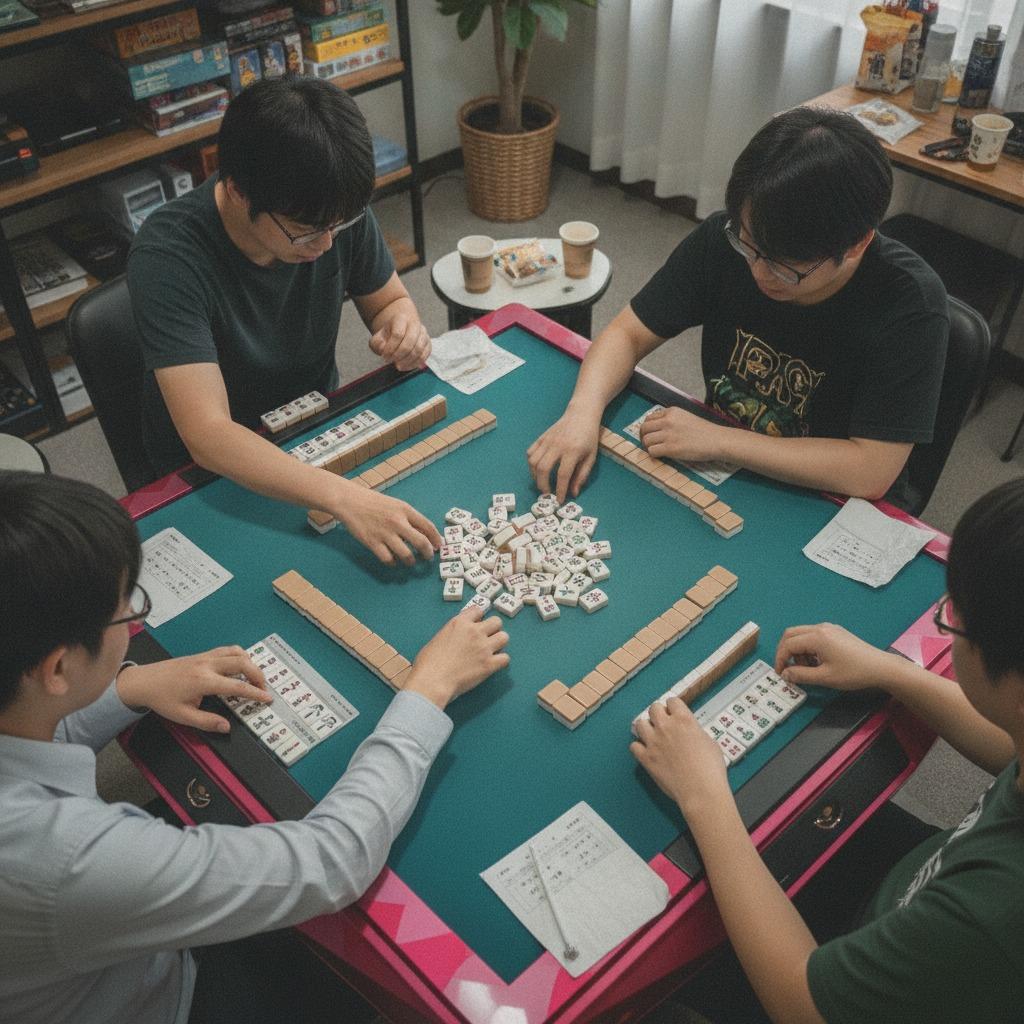
That matters because tile games depend on physical details. A board that keeps pieces organized, a tile face that prints clearly, and a set that is easy to handle all influence the pace of play. In a crowded room, a weak product becomes obvious fast. People are looking for an American Mahjong set that feels dependable at the table, not just attractive in a catalog photo.
Quick reference: what to look for in an American Mahjong set
For most buyers, the decision comes down to a few practical points.
A good set should make the game easier to learn and easier to keep organized. That usually means:
A clearly marked play surface or rack system, if the design includes one
Tiles with readable symbols and consistent printing
A layout that supports multi-player table use without crowding
Materials that hold up to repeated handling
A size and weight that suit the intended setting, whether that is a home game night or a club environment
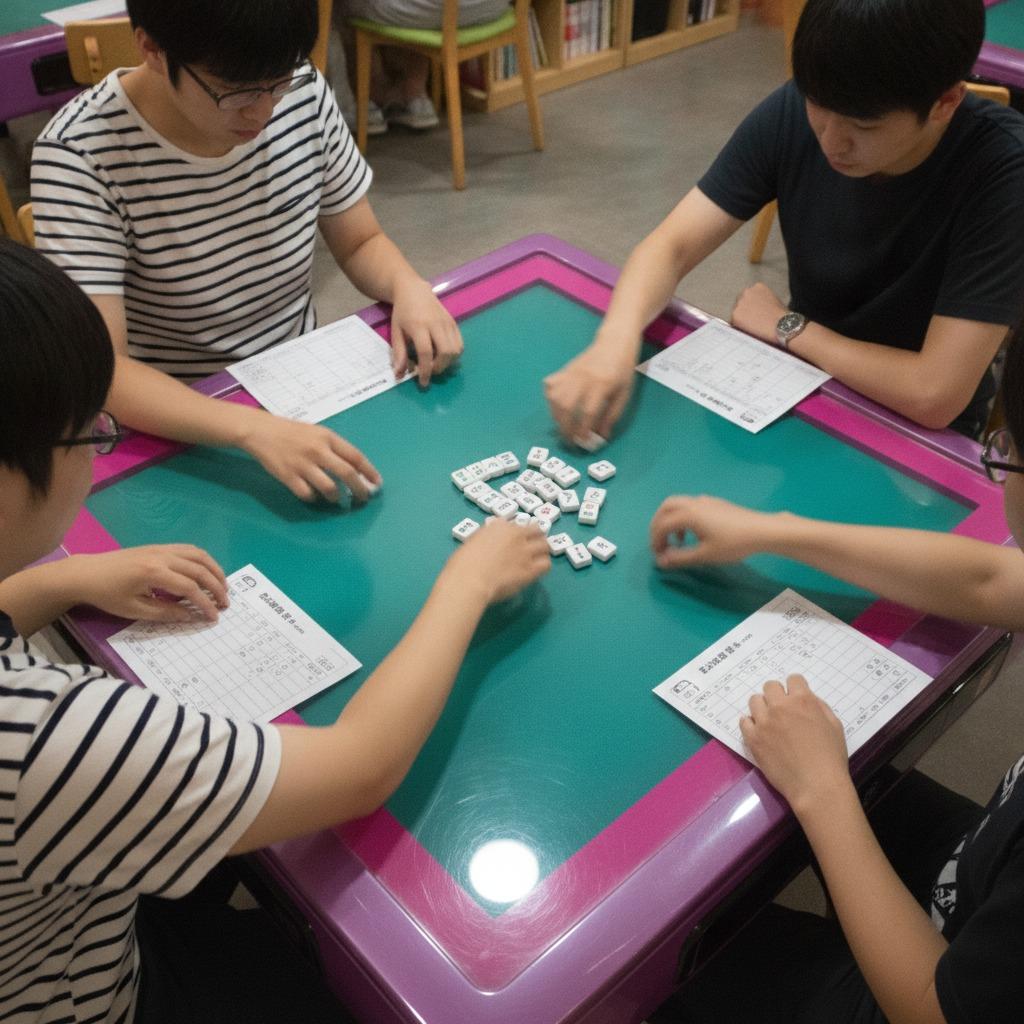
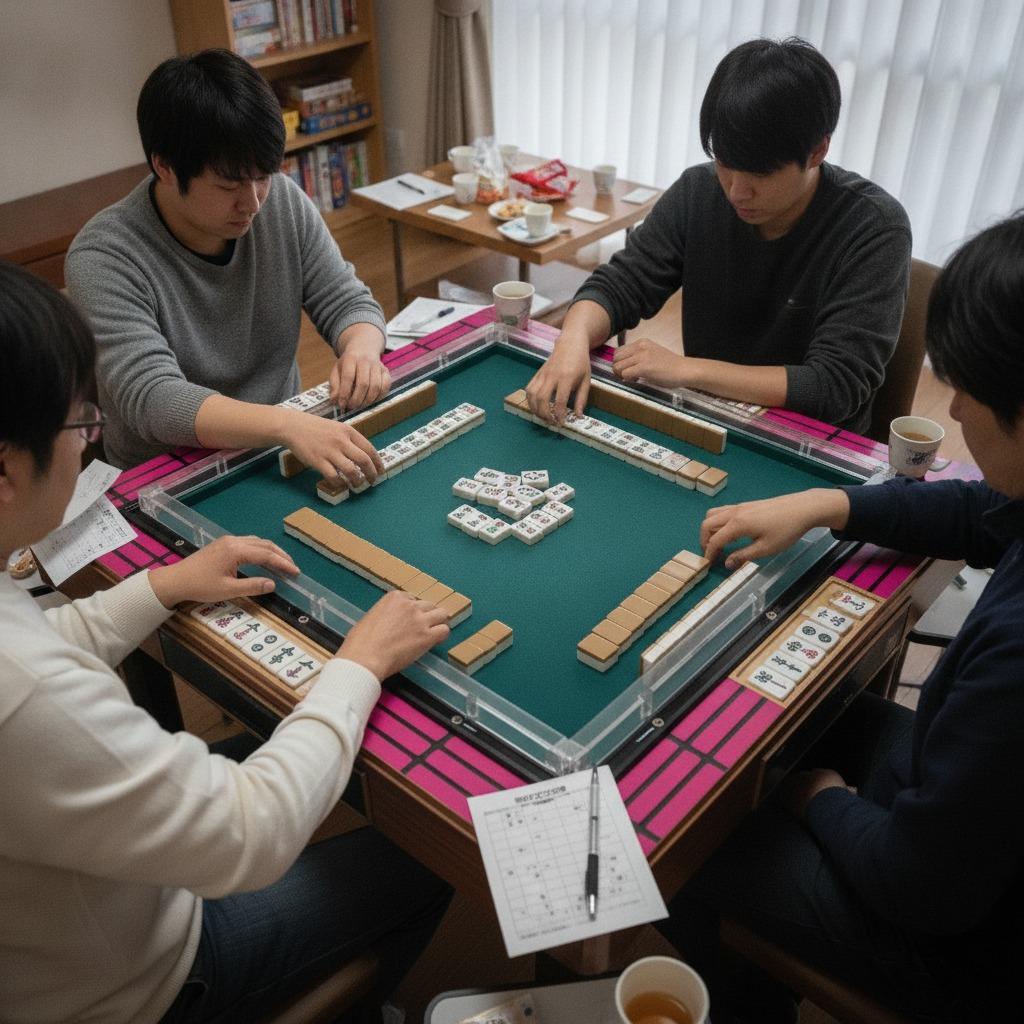
The product data provided here suggests a square tabletop game format with a turquoise center, pink or purple border, and clear perimeter frame elements. That kind of arrangement is useful in tile games because it defines the play zone visually and helps keep pieces from wandering. I would treat that as a functional clue rather than a final specification, though; the exact game name and construction are not confirmed.
Why American Mahjong draws so much attention from buyers
Mahjong has a long history of regional variation, and American Mahjong is its own distinct format. Buyers searching for American Mahjong rules are often trying to answer one of three questions: how the game is played, what components belong in a proper set, and what makes one product more usable than another.
That last point is where sourcing and product planning get interesting. A Mahjong-style product is not just a pile of printed tiles. The user experience depends on the clarity of the tile faces, the feel of the pieces in hand, and whether the playing area helps players keep the table under control. If a set is intended for beginners, an educational setting, or a mixed-age family group, readability matters even more than decorative detail.
The provided product information points to small rectangular tiles with printed symbols and a framed square play area. That combination suggests a design centered on visible organization. For this kind of game, the board or mat is not merely decoration; it can shape how quickly players learn the system and how confidently they manage the table.
How American Mahjong sets are typically judged
The best way to evaluate American Mahjong sets is to separate appearance from usability.
1. Tile clarity
Printed tiles should be easy to read at a glance. If the symbols are too small or the color contrast is weak, the game slows down. This is especially true in group settings where several people may be scanning the table at once.
2. Handling and layout
The tactile side of the game matters. Tiles need to be easy to pick up, move, and organize without slipping around unnecessarily. A framed play surface or clear perimeter guidance can help, particularly on smooth tables.
3. Durability under frequent use
Families and clubs do not play a set once. They shuffle, sort, stack, and reset it again and again. That is where finish quality starts to matter. Even without exact material data, a buyer should pay attention to whether the tiles and surface look like they were made for repeated handling rather than one-off novelty use.
4. Table footprint
Mahjong is not a compact game once four players are seated and the pieces are spread out. A square board layout can help define the play field, but the overall footprint still needs to suit the room. This is easy to overlook until the first game night, when cups, score sheets, and tile racks begin competing for space.
Manufacturing angle: what this kind of product usually requires
Even when the exact build is unknown, a Mahjong-style tabletop product normally blends several production steps. Printed tiles usually require consistent graphic reproduction. The board or mat may involve sheet printing, lamination, or a coated surface. Clear frame elements suggest molded or formed plastic parts, though that cannot be confirmed from the image alone.
From a manufacturing point of view, these products live or die on consistency. If the tiles vary too much in appearance or the frame components do not sit evenly, users will notice. Not every game product needs industrial-grade engineering, but it does need stable geometry and repeatable output. That is especially true if the item is sold into clubs, learning centers, or export channels where buyers expect the same product from batch to batch.
Common mistakes buyers make
One common mistake is buying on theme alone. A visually appealing American Mahjong set can still be frustrating if the tiles are hard to distinguish or the board does not support smooth play.
Another mistake is assuming all tile games are interchangeable. American Mahjong rules are not the same as other regional Mahjong variants, so the components and scoring expectations may differ. A buyer should not rely on a generic tile-game description if the target market expects a specific American format.
A third mistake is underestimating storage and reset time. If the set includes many small printed tiles, the user will care about organization after the game ends almost as much as during play. This is why practical packaging and storage layout deserve more attention than they usually get in product listings.
Practical advice for sourcing and product teams
If you are evaluating this kind of item for retail, club supply, or educational use, start with the user scenario.
For home entertainment, ease of setup and visual appeal may be the priority.
For clubs or activity centers, durability and fast reset matter more.
For instructional use, the tiles must be readable and the layout must support learning without adding friction.
That distinction sounds basic, but it is where a lot of sourcing decisions go wrong. A set that looks premium in a showroom may not be the best choice for frequent group play. Conversely, a very utilitarian design may be perfect for an environment where the game is handled daily.
If the product is being developed as part of a broader tabletop line, the square board geometry seen in the provided data is worth noting. It naturally fits group play and gives the game a defined visual center. That can be a plus for user orientation, especially for first-time players.
A note on the provided company background
The company information supplied here is for SAIL, a manufacturer focused on heavy-duty transport products such as semi-trailers, trucks, axles, and filters. That does not line up with the Mahjong-style product shown in the image, so I would not treat the company profile as evidence of game manufacturing capability. Still, the manufacturing themes are familiar: quality control, OEM/ODM flexibility, and reliable batch production. Those concerns are relevant across categories, whether the end product is a trailer part or a tabletop game set.
FAQ: American Mahjong buying questions
Is American Mahjong the same as other Mahjong games?
No. American Mahjong follows its own rules and set expectations. Buyers should not assume a generic Mahjong set will suit an American format without checking the components and the intended play style.
What should a buyer inspect first?
Start with tile readability, the organization of the set, and whether the board or mat supports clean play. Those are the details users feel immediately.
Are American Mahjong sets only for experienced players?
Not necessarily. Some sets are better suited to beginners or family groups, especially if the symbols are clear and the table layout is intuitive. A beginner-friendly design can make a big difference.
Why does the board layout matter?
Because tile games spread out quickly. A framed or guided square layout helps define the play area and can reduce confusion at the table.
What to ask before buying
Before placing an order, ask a few simple questions:
What exactly is included in the set?
Are the tiles printed for American Mahjong rules specifically?
Does the layout help with organization or is it mainly decorative?
Is the product intended for home use, club use, or educational use?
How easy is it to store and reset after play?
Those questions are not glamorous, but they save time and disappointment later.
Next step for buyers
If you are sourcing an American Mahjong-style product, focus on the practical side first: clear tiles, a workable board layout, and a format that suits the actual players who will use it. A good set should make the game easier to start, easier to read, and easier to keep organized from one session to the next.
If you are comparing possible designs, use the square play area and tile handling details as your first filter. The rest tends to follow from there.