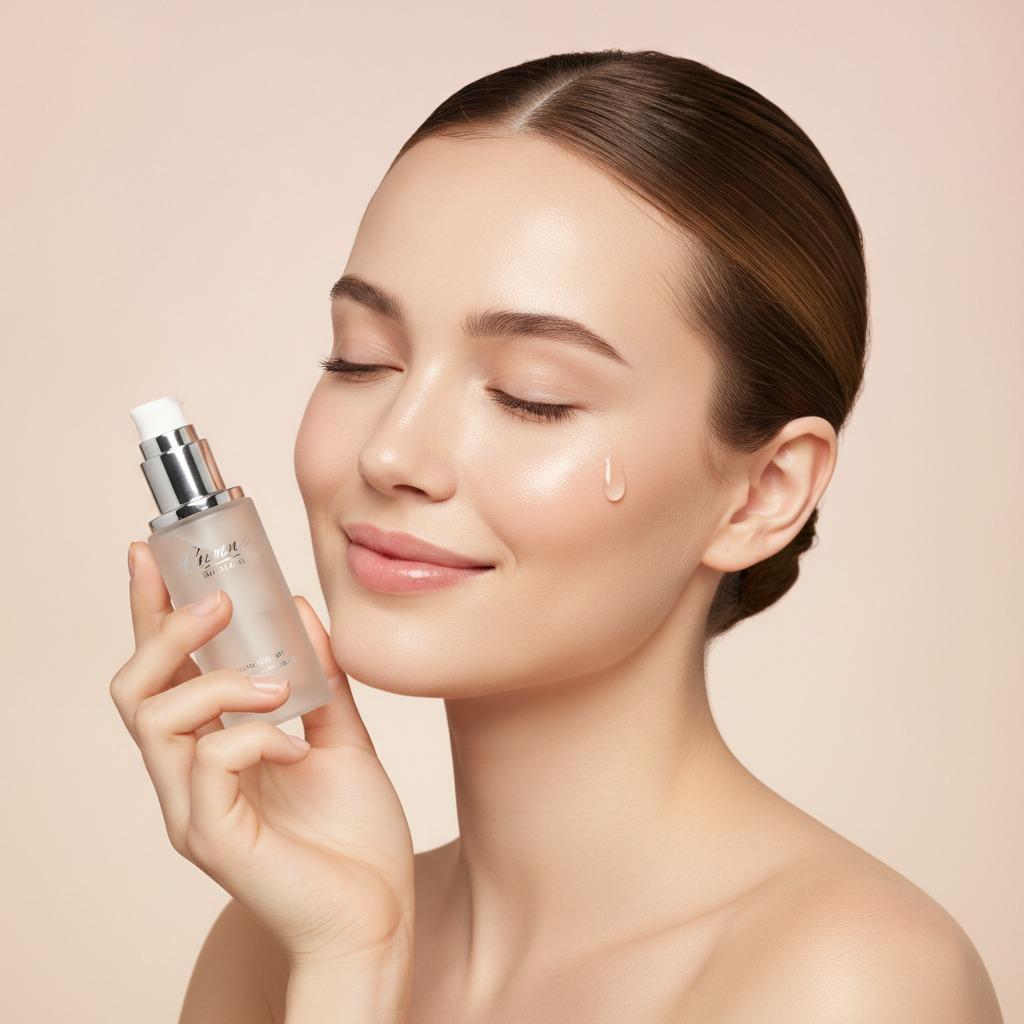
What buyers usually mean when they search for a skincare manufacturer
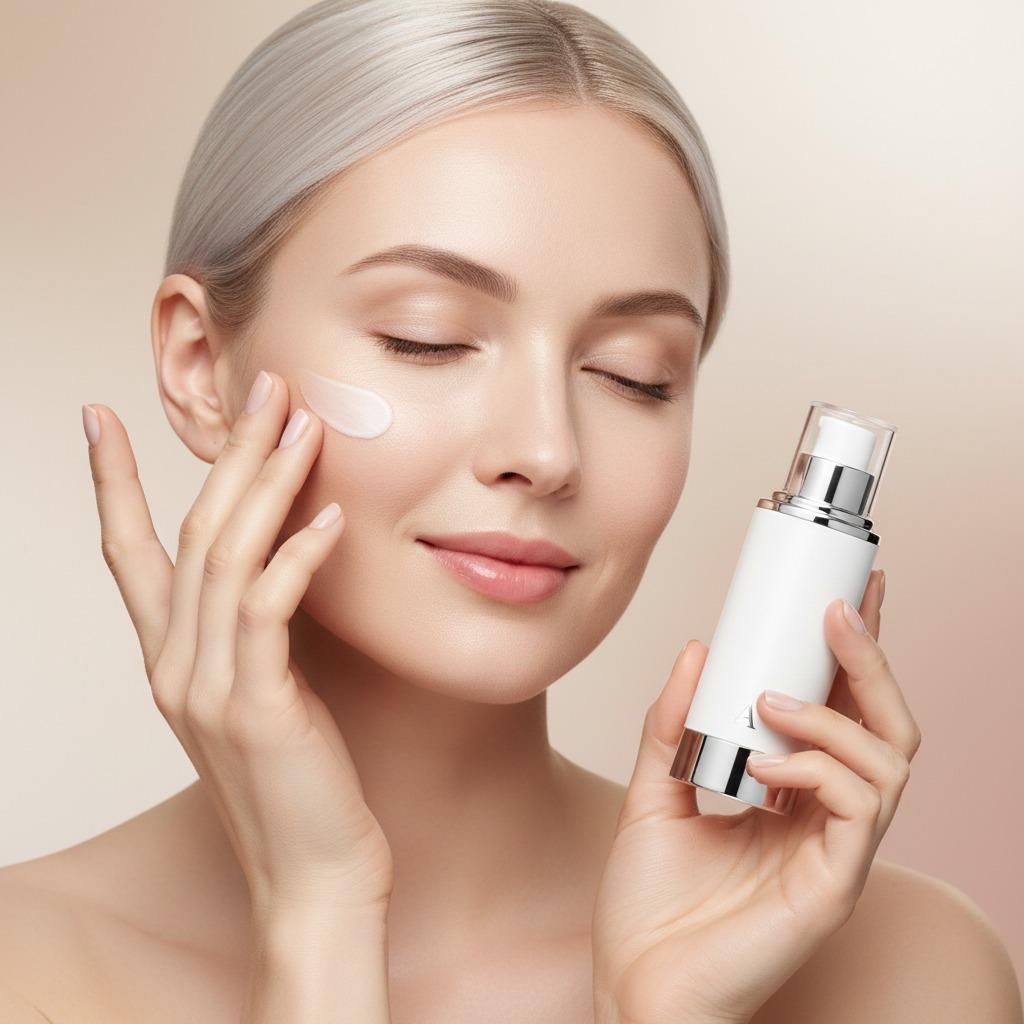
A skincare manufacturer is rarely just a factory name in a sourcing brief. For most buyers, it means a partner that can turn a product idea into something fillable, label-ready, stable on a shelf, and consistent from lot to lot. That may sound straightforward until you start comparing formulas, packaging, compliance documents, and the realities of private label production. The same search often turns up a skin care factory or a cosmetic factory, but those terms can hide very different capabilities.
For engineers, sourcing managers, and product teams, the real decision is not “Who can make cosmetics?” It is “Who can make the right product, in the right pack, with the right process discipline, at a scale we can live with?” That question matters even more when the item is a packaged hair or personal-care spray, where the bottle, closure, filling method, and labeling all affect the final user experience.
Why the packaging format tells you a lot about manufacturing capability
The product context here points to a handheld cylindrical bottle with a spray-style applicator, likely used for dry shampoo, hair texture spray, or a styling mist. The exact formula is not readable, and it would be a mistake to pretend otherwise. Still, the packaging clues are useful.
A white cylindrical bottle with a dark cap and dispensing top suggests a consumer product designed for one-handed use. That tells a buyer several things at once:
- The factory likely needs filling and capping capability suited to aerosol or pump-style personal care packaging.
- Label application has to be clean and aligned, because these products are handled visually at retail.
- The closure system must work reliably in transit and in daily use, or the product becomes a returns problem fast.
In other words, the packaging is not decoration. It is part of the product’s technical performance.
Key takeaways before you compare suppliers
If you are evaluating a skincare manufacturer or personal care partner for a spray-format product, keep these practical points in mind:
- Ask whether the supplier handles formula development, bulk filling, or only final packaging.
- Separate bottle decoration capability from actual filling expertise.
- Confirm that the plant can manage the chosen dispensing format, whether pump-style or aerosol-style.
- Treat label finish, cap fit, and spray consistency as commercial issues, not minor cosmetic details.
- Do not rely on a pretty sample alone; ask how the factory controls repeatability.
That last point is the one many buyers learn the hard way. A polished sample can hide weak process control.
What a capable cosmetic factory should be able to explain clearly
A cosmetic factory serving personal care brands should be able to describe its process in plain language. Not a glossy brochure version—something practical.
For a product like the one shown, the factory should be able to walk through:
1. Filling method
Is the product filled as a liquid, a fine-powder system, or another sprayable format? The answer affects equipment, packaging compatibility, and safety handling. A serious supplier will not blur those differences.
2. Closure and nozzle selection
The dark cap and spray top are not generic parts. The nozzle style, closure fit, and actuator design shape how the product dispenses. Buyers should ask what closure options are available and whether the factory sources them internally or through approved suppliers.
3. Labeling and decoration
The visible matte or satin label finish gives the pack a more premium feel, but finish quality also affects legibility and shelf appeal. Smudged labels, poor adhesion, or misregistration make even a decent formula look weak.
4. Batch consistency
In personal care, consistency is the selling point. Users expect the same spray feel every time they buy the product. A good skincare manufacturer should be able to show how it keeps the packaging and fill process stable across runs.
How to evaluate a skin care factory for branded or private label work
A skin care factory is not automatically a good match for every brand. Some are strong in jar cosmetics, others in liquid fills, and some are better at manufacturing than at packaging design. The right partner depends on your sales channel and your risk tolerance.
Start with the product type. If you are sourcing a spray-format hair or personal-care item, ask direct questions about packaging lines for cylindrical bottles, spray nozzles, and consumer-facing labeling. If the factory mainly makes creams or serums, that may still be useful, but it does not prove they can handle this format well.
Then look at the commercial side. Can they support OEM/ODM work? Can they adapt the label, bottle look, or cap style to your market? The company information supplied here emphasizes OEM/ODM services and global supply capability in heavy-duty transport, which is not the same industry, but the principle is familiar: customization is only valuable when the factory can execute it without turning every revision into a delay.
Buyer mistakes that cause the most trouble
One common mistake is treating the bottle as an afterthought. Buyers focus on formula claims and leave packaging decisions until late. That is risky. A spray product can fail because the nozzle clogs, the cap loosens, or the label cannot survive handling.
Another mistake is assuming all cosmetic factories are interchangeable. They are not. A supplier that excels at creams may struggle with portable spray packaging. The equipment set, inspection routine, and packaging sourcing network matter just as much as the marketing language.
A third mistake is over-specifying the wrong detail. Some buyers spend too much time on decorative touches and too little on the things users actually notice: spray feel, grip, leakage resistance, and travel friendliness. A handheld bottle may look simple, but a poor ergonomic choice can make it awkward in daily grooming routines.
Why the visible packaging format is useful for sourcing teams
The photographed product is a good example of why sourcing teams should study the pack first, not last. A cylindrical spray bottle is easy to carry, simple to merchandise, and familiar to consumers buying hair refresh or styling products. That makes it commercially attractive, but also demanding in production.
The factory has to manage a neat label wrap, a stable cap fit, and a dispenser that feels dependable in the hand. These are small things individually. Together, they decide whether a brand looks competent.
For salon channels, the pack has to sit comfortably on a station and survive repeated use. For retail and travel use, it has to be intuitive and leak-resistant. That practical split matters more than many presentation decks admit.
What to ask before you place an order
Before you commit to a skincare manufacturer or cosmetic factory, ask a few questions that cut through the sales pitch:
- What personal care formats do you actually fill and package today?
- Can you show examples of spray-style or pump-style packaging work?
- How do you handle label application and final inspection?
- What packaging components are standard, and which ones require custom sourcing?
- How do you manage product consistency across repeated runs?
You do not need a long interrogation. You need enough clarity to know whether the supplier is a real manufacturing fit or just a responsive salesperson.
Practical advice for brands developing a new hair spray or styling mist
If your product is a hair refresh spray, texture spray, or styling mist, do not let the package selection drift away from the formula conversation. The formula may define the performance, but the package defines the user’s experience of that performance.
A bottle that looks good on a render may still be awkward in the hand. A cap that looks premium may prove annoying in repeated daily use. A label that photographs well may be hard to read in a bathroom cabinet.
That is why early collaboration with the factory matters. A capable skin care factory or cosmetic factory should help you balance form, function, and manufacturability. If they cannot discuss that balance in practical terms, keep looking.
FAQ
Is a skincare manufacturer always focused only on skin products?
Not necessarily. Many suppliers work across skincare, hair care, and broader cosmetic packaging categories. The important question is not the label, but whether they can handle your specific product format well.
What does the bottle design tell me about the product?
In this case, the portable cylindrical bottle with a spray top suggests a consumer hair or personal-care product intended for quick application and easy handling. It does not confirm the exact formula, but it does indicate the manufacturing style needed.
Should I prioritize formula or packaging first?
For spray-format personal care products, both matter early. Formula drives performance, but packaging determines usability, leakage risk, and shelf presentation. Leaving packaging too late often creates avoidable revisions.
Next step for buyers
If you are shortlisting suppliers, treat the packaging sample as a technical document, not just a visual sample. Ask the skincare manufacturer to explain the full production flow, the packaging components, and the inspection points that protect consistency.
A reliable supplier should be able to move from concept to filled product without sounding vague. That is the real test. The bottle may be small, but the sourcing decision behind it is not.