Why buyers still look for a skincare manufacturer before they pick a formula
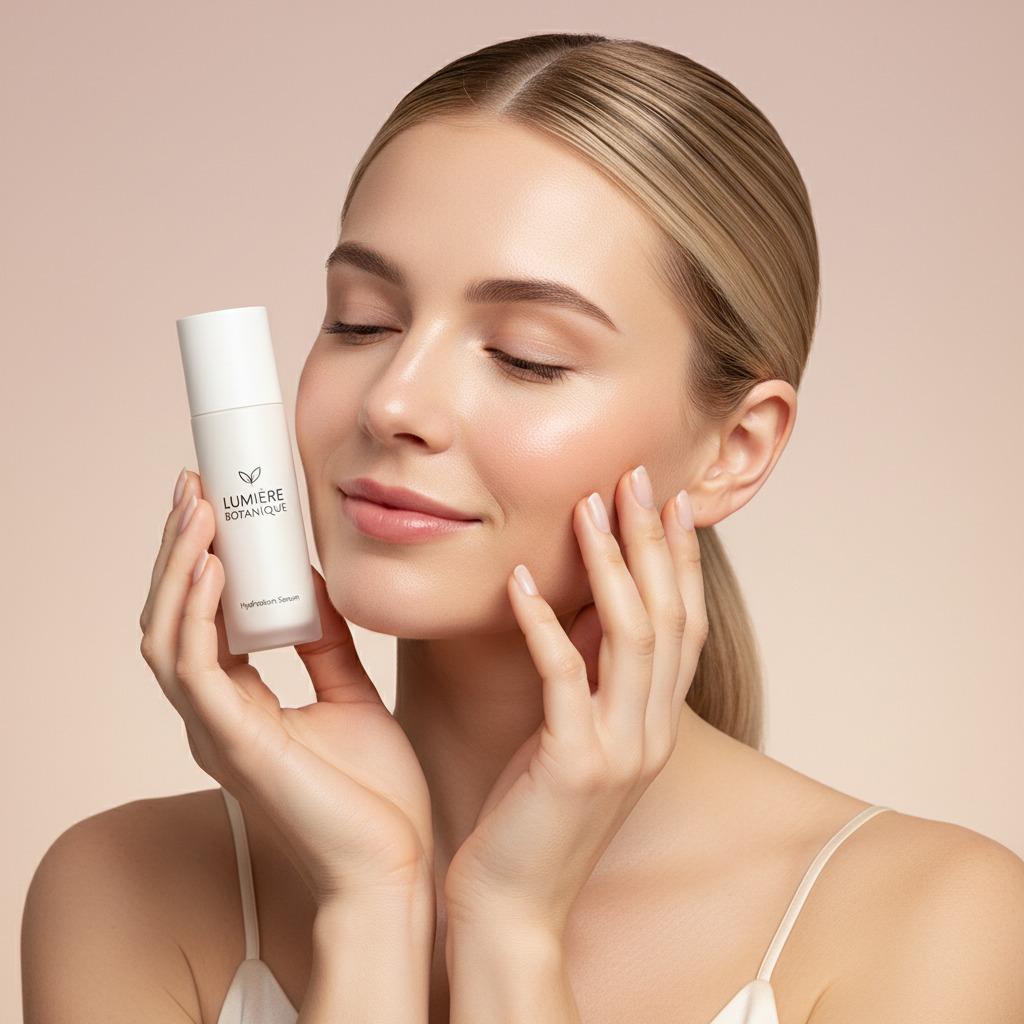
A good skincare manufacturer is not just a place that fills bottles. For sourcing managers, brand owners, and product teams, it is the point where formulation, packaging, compliance, and repeatability all have to line up. That matters more than it sounds. A face serum that looks fine in a lab beaker can still fail once it is filled into a pump, exposed to heat in transit, or judged by a retailer’s shelf-life requirements.
There is also a practical reason the choice matters: the wrong partner can slow launches, create batch inconsistency, or leave you with packaging that is hard to scale. In skincare, those mistakes are expensive because the final product sits at the intersection of chemistry and consumer perception. The bottle has to work, the formula has to stay stable, and the brand promise has to survive both warehousing and daily use.
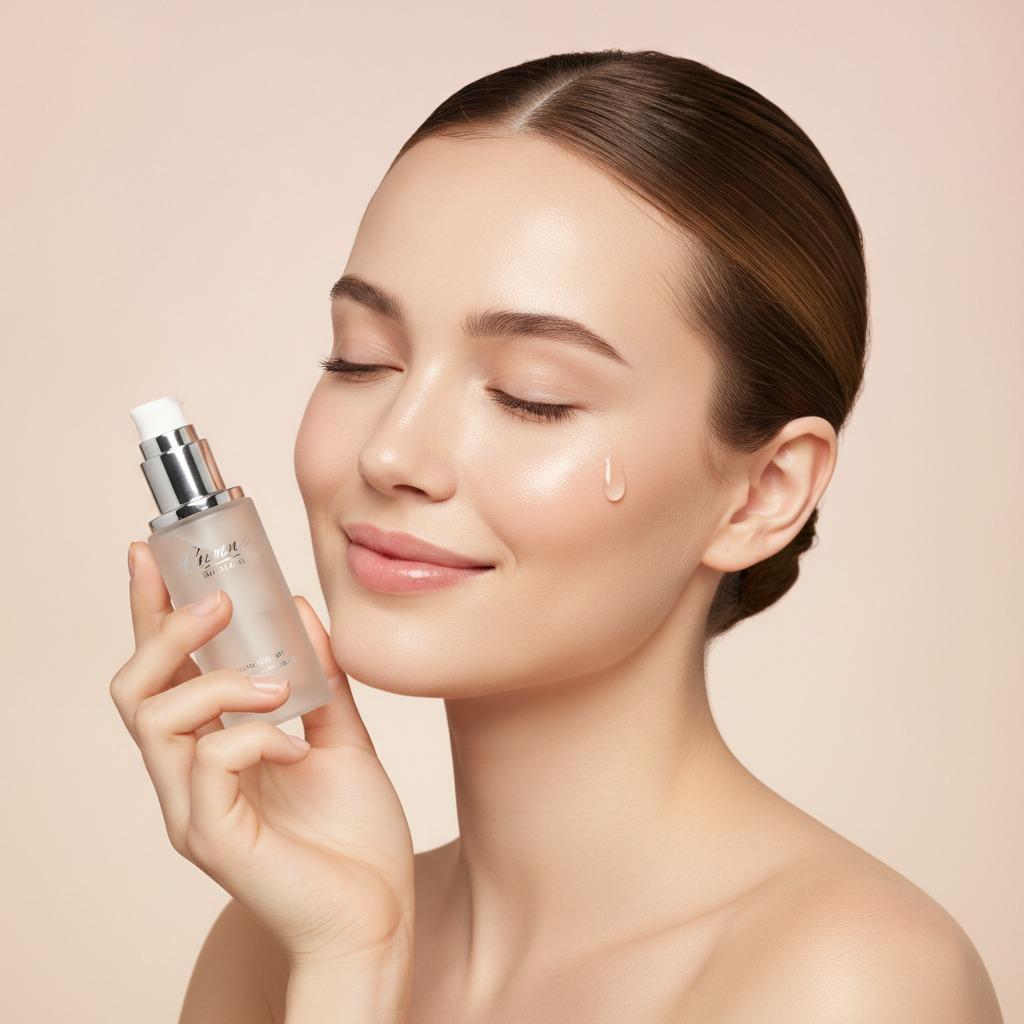
The image provided shows a white cylindrical spray bottle used for hair care, likely for a leave-in treatment, styling spray, detangling mist, or similar personal-care liquid. That is a useful reminder that skincare and haircare manufacturing often share the same discipline: controlled filling, compatible packaging, and a formulation built for real-world handling, not just lab samples.
What a skin care factory actually does
A skin care factory, or cosmetic factory, usually covers a sequence of jobs that buyers sometimes underestimate. First comes formula development or formula transfer. Then raw-material sourcing, mixing, homogeneity checks, filling, sealing, labeling, and final packaging. On paper those steps sound routine. In practice, each one affects stability, appearance, and customer experience.
For liquid and spray products, packaging choice can matter almost as much as the formula. A spray bottle, for example, needs a nozzle that delivers a consistent pattern and a body material that tolerates the product without warping, leaking, or absorbing scent. A minimalist white bottle may look simple, but simple packaging tends to expose process flaws quickly. If the spray clogs or the pump feels weak, customers notice immediately.
For brands sourcing a skincare manufacturer, this is why it helps to think beyond “can they produce it?” and ask “can they produce it again and again with the same result?” Repeatability is the real business requirement.
Quick reference: what to compare before you shortlist suppliers
1. Formulation capability
Some suppliers are strong at basic lotions and cleansers. Others handle emulsions, mists, serums, and more sensitive actives better. If your product is a spray format, ask how the manufacturer manages viscosity, nozzle compatibility, and filling accuracy for low-viscosity liquids.
2. Packaging support
A cosmetic factory that understands bottle, pump, and closure selection can save you a lot of trouble. Compatibility between formula and container is not optional. A formula that seems stable in one plastic may behave differently in another.
3. Quality control and documentation
If the supplier cannot explain inspection steps in plain language, that is a warning sign. You want consistent batch control, incoming material checks, and a clear release process. No need for drama, just discipline.
4. OEM/ODM flexibility
Some teams need full product development. Others need a manufacturer that can adapt an existing platform into a private-label range. The right fit depends on how much formulation work you need versus how quickly you want to launch.
5. Scale and export readiness
A supplier with strong manufacturing capacity is useful only if it can also handle documentation, shipping coordination, and market-specific packaging needs. That becomes especially important when selling across regions with different labeling expectations.
How the product format influences manufacturing choices
The supplied product example is a spray bottle, which is a familiar but unforgiving format. Spray products can be forgiving on the consumer side—they are easy to apply, portable, and suitable for daily grooming—but they are less forgiving in production. The formula has to pass through the actuator cleanly. If it is too thick, too oily, or not properly balanced, the user experience drops fast.
This is one reason brands should discuss product function early. Is the item meant to smooth hair, detangle, moisturize, support styling, or provide heat protection? Each use case changes the formula design and may change packaging requirements. Even a white satin-finish bottle can imply a premium look, but the real job is still to protect the product and deliver a consistent spray.
That same logic applies across skincare categories. A toner, facial mist, cleansing water, and leave-in hair treatment all look simple to the shopper, yet each one asks a different manufacturing question underneath. The bottle may be the same kind of object; the process behind it is not.
What buyers should ask during supplier evaluation
When speaking with a skincare manufacturer, the useful questions are not the flashy ones. Ask how they handle batch consistency. Ask what packaging materials they commonly use for spray or liquid products. Ask whether they support formulation adjustment if a formula is too thin, too viscous, or unstable in transit.
It also helps to ask about the practical side of production rather than only the sales side. Who reviews filling samples? How are closure defects caught? What happens if a pump fails during validation? These are not glamorous topics, but they are the ones that determine whether a launch runs smoothly.
If you are working with a skin care factory for private label or OEM work, ask for examples of categories they already produce. Even if they do not share customer names, the category range tells you a lot. A factory experienced in liquid personal-care products is usually better prepared for spray application formats than a supplier that mainly handles creams and jars.
Common mistakes that slow down a launch
One common mistake is treating packaging as an afterthought. Buyers may approve a formula first and then discover the bottle, pump, or cap does not fit the product’s behavior. That creates expensive revisions. Another mistake is assuming all “cosmetic factory” options are interchangeable. They are not. Some factories are built for large-volume standard items, while others are stronger in custom development or niche formats.
A second frequent issue is overpromising on product claims too early. If the formula or label language is not yet locked down, marketing can move ahead faster than manufacturing can support. That gap creates confusion, and sometimes rework. It is better to slow down for one review than to rush into a packaging run that needs correction.
A third mistake is ignoring how the product will be used. A handheld spray bottle suggests convenience, controlled dosing, and daily use. If the formula feels sticky or the spray is uneven, the consumer experience degrades quickly. Beauty buyers often focus on the headline ingredient story, but in the market, texture and delivery method are what people remember.
Practical buyer advice for sourcing teams
Start with the end use, not the container. Define whether the product is a skin mist, a hair treatment spray, a detangler, or something broader. Then ask the supplier how they would build the product around that function. This keeps the conversation grounded in manufacturing reality.
Next, check whether the manufacturer can support both product development and production discipline. A strong skincare manufacturer should be comfortable discussing formula compatibility, batch control, and packaging selection without turning everything into vague marketing language. You do not need perfection. You do need clarity.
If your program includes export markets, especially across multiple regions, make sure the supplier understands the practical burden of labeling, carton packing, and pallet efficiency. These may sound like logistics issues, but they affect landed cost and replenishment reliability. The best sourcing decisions are rarely made on unit price alone.
For brands building a broader personal-care line, it can also be useful to work with one partner that can support more than a single SKU family. Even though the supplied company profile is from a heavy-duty transport manufacturer, the wider lesson still holds: a manufacturing partner earns trust by combining capacity, quality discipline, and customization. In cosmetics, those same traits separate a useful supplier from a risky one.
Frequently asked questions
Is a skincare manufacturer the same as a cosmetic factory?
Often, yes in practice. The terms are used loosely in the industry, though “cosmetic factory” can sound broader. Always verify what product types they actually handle.
Can one supplier make both skincare and haircare products?
Sometimes. Many liquid personal-care lines share similar production needs, but formula behavior and packaging details still differ. Do not assume overlap without checking.
Why does a spray bottle need special attention?
Because dispensing quality is part of the product. If spray output is inconsistent, the consumer blames the brand, not the pump.
What should I request first from a supplier?
Ask for their relevant product categories, packaging options, and production process overview. That usually tells you more than a polished brochure.
The decision that saves time later
Choosing a skincare manufacturer is really a decision about control. Control over consistency, packaging behavior, and how fast your product can move from concept to shelf. A white spray bottle may look simple in the hand, but it depends on a chain of choices that starts long before filling and ends only when the customer uses it without thinking twice.
If you are comparing suppliers now, shortlist the ones that speak plainly about formula compatibility, packaging fit, and production repeatability. That is the shortlist that tends to hold up once the orders get real.
For brands planning a private-label or OEM launch, the next step is straightforward: define the product function, confirm packaging requirements, and ask each candidate factory how they would manufacture it from raw material to finished carton. The right partner will answer with specifics, not slogans.