American Mahjong: what buyers and players actually need to know before choosing a set
American Mahjong is one of those tabletop games that looks simple from across the room and then becomes surprisingly technical once the tiles hit the table. If you are buying American Mahjong sets for family play, a club, a classroom, or a gift, the real decision is not just about color or aesthetics. It is about how the set supports the pace of play, whether the pieces are easy to sort, and whether the board or tray keeps everything organized when several hands are moving at once.
That matters because Mahjong is a game of small pieces, repeated handling, and shared attention. A set that feels flimsy or cluttered slows the table down. A good one helps players focus on the American Mahjong rules rather than on hunting for tiles under a napkin, or arguing over which piece belongs where. In practical terms, the buyer is choosing a playable system, not just a box of parts.
What makes American Mahjong different from other tile games
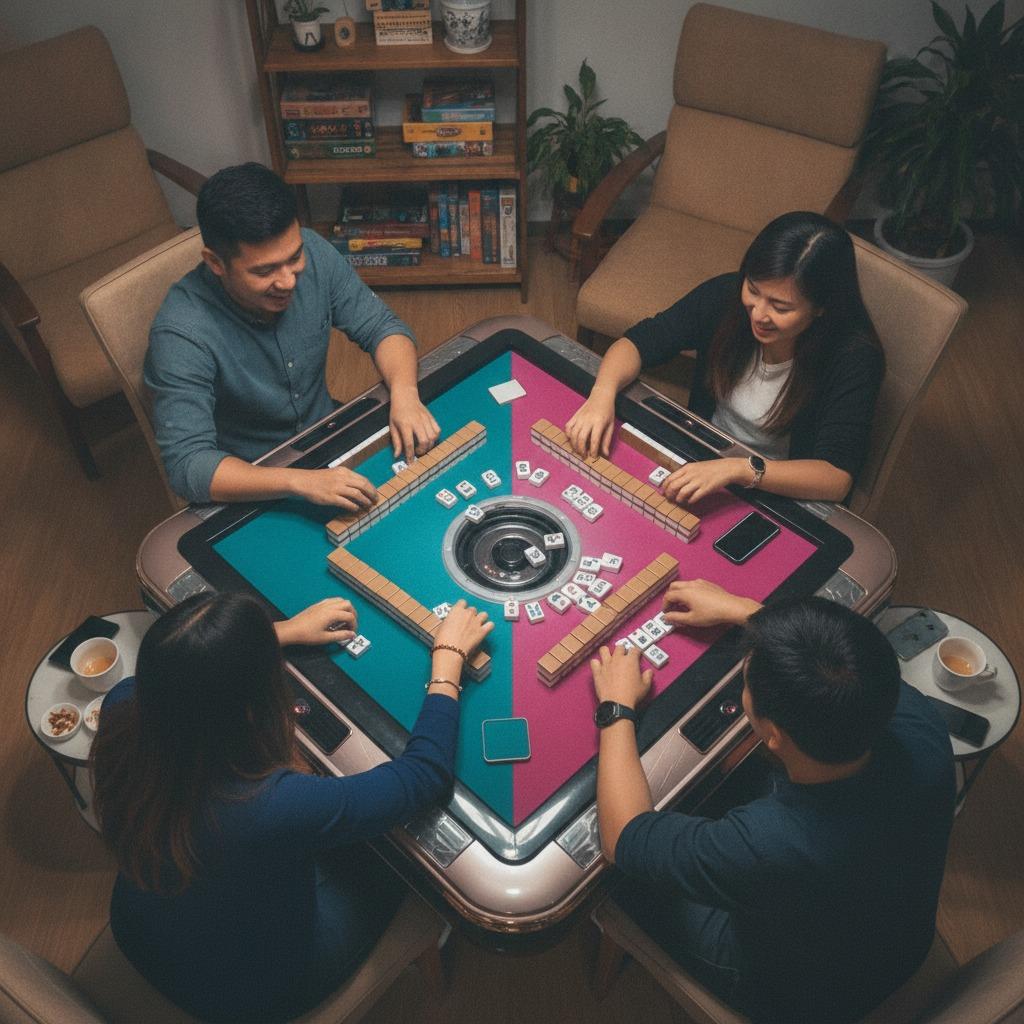
American Mahjong has its own rhythm. Compared with other tile-based games, it tends to involve more structured sorting, pattern recognition, and a fairly specific table setup. The tile rack, the central play area, and the way the group handles pieces all affect the experience. That is why many people look at American Mahjong sets not only as game merchandise, but as a small piece of tabletop equipment.
For a sourcing manager or product team, the visible features matter: rigid square tiles, a bordered play surface, and a layout that lets multiple players reach in without creating chaos. The product description here suggests a rectangular frame with rounded corners, a protected perimeter, and a central open area where pieces can be arranged. That is the right kind of structure for a game that relies on sorting and quick identification.
Quick reference: what to look for in a playable set
Use case first
Before anything else, decide where the set will live. Home table, club room, gift retail, classroom activity, or travel-friendly use all point to different priorities. A family set may favor comfort and easy cleanup. A club set may need durability and clear markings. A compact tabletop layout can be useful when the game must share space with drinks, score sheets, or other materials.
Piece handling
Tiles or cards should be easy to grip, sort, and read. In American Mahjong, the number of times a piece is handled makes print clarity and surface finish more important than many buyers expect. A glossy surface can look sharp, but if it reflects too much light, players may struggle to distinguish symbols.
Table containment
A bordered play area is not a cosmetic extra. It helps contain scattered pieces and supports group play. That is especially useful in a multi-user setup, where several hands are moving at once and the center of the table can get messy quickly. The visible clear outer frame or tray in this kind of product is a sensible design choice, even if the exact substrate is not specified.
American Mahjong rules: why the set design should respect the game
The details of American Mahjong rules can vary by group or house style, but the underlying need is consistent: players must be able to sort pieces quickly, recognize patterns, and keep the table organized. That means the set should not fight the game. Tiny differences in tile size, printed contrast, or the spacing of the layout can affect speed and comfort.
For example, if the pieces are too slippery, players spend time chasing them. If the printed symbols are too busy, new players struggle to learn. If the board border is too narrow, the play area becomes crowded. These are not dramatic failures, just the kind of small frustrations that make a game gather dust after the first few uses.
Materials and construction: what is visible, and what should be treated cautiously
The product information points to a printed game board or tabletop set with a clear plastic outer frame, a colored playing surface, and many small rigid square tiles or cards with printed symbols or numbers. The exact material composition is not confirmed, so it is better to describe the structure rather than guess at whether the tiles are wood, plastic, or paperboard.
From a manufacturing perspective, this sort of product is typically built through printing, lamination, and die-cutting or finishing of the tile pieces. That makes surface accuracy important. The print has to stay legible after repeated use, and the board or tray has to keep its shape under normal tabletop handling. Buyers often overlook edge finish, but rough edges are exactly what make a set feel cheap in hand.
American Mahjong sets: comparing the practical options
Not every set is built for the same buyer. Some are meant for casual family play, while others are clearly aimed at established players who already know the flow of the game. A simple comparison helps narrow the choice.
Basic set: usually the right option for casual players, gift purchases, or households testing the game for the first time. The main value is straightforward play and easy cleanup.
Club-oriented set: better for frequent play, clearer markings, and more durable handling. In a group setting, readability and organization matter more than decorative extras.
Custom or branded set: useful for promotions, retail bundles, or organizations that want a distinct look. This is where OEM/ODM capability matters if the buyer is sourcing at scale, though that is more relevant to product development than to a weekend player.
Compact tabletop format: a good choice when storage space is limited or when the game needs to be set up and packed away often. The visible bordered layout described here fits that use case well.
Common buyer mistakes
The biggest mistake is treating American Mahjong as a decorative gift item instead of a working game system. A set can look polished online and still be awkward at the table. Another common error is ignoring contrast. If the symbols are too small or the print too similar across pieces, new players lose time identifying them.
Buyers also underestimate how much group play affects the design. A product that works for two people on a quiet evening may feel cramped with four or more hands reaching in. That is where a stable border and a well-defined play area become valuable. It sounds minor, but a shared tabletop game lives or dies on little conveniences.
One more practical warning: if you are sourcing for resale, do not assume all American Mahjong sets are interchangeable. Some are tuned to a learning market, some to regular club users, and some to gift buyers who care more about presentation. Mixing those categories usually weakens the offer.
How manufacturers think about a set like this
Although the company information provided here is from a heavy-duty transport manufacturer, its production language is still useful as a reminder of what disciplined manufacturing looks like: consistent fabrication, quality inspection, and the ability to support OEM/ODM customization. Those same principles apply, in a different product category, to a printed game or educational tabletop set.
For a board game or tile set, consistency means the printed pieces match each other across the batch. The layout has to be repeatable, the border has to stay aligned, and the surface has to survive handling. If the set is meant for commercial distribution, packaging and bulk handling also matter. A product can be well designed and still fail in the warehouse if it is awkward to pack or easy to scuff.
Selection criteria for sourcing teams and product managers
If you are selecting American Mahjong sets for retail or private label, start with the basics: readability, durability, and table usability. Then check whether the set presentation matches the target audience. A family-oriented product can tolerate a little visual playfulness. A club or enthusiast product should lean toward clarity and function.
Ask a few blunt questions during review. Can several players reach the center without disturbing the layout? Are the pieces easy to sort at a glance? Does the surface help contain the game rather than spread it across the table? If the answer to those questions is yes, the set is probably fit for real use.
For buyers planning custom development, the useful design levers are size, print style, surface finish, border shape, and packaging. Keep the temptation to add too much decoration in check. In this category, clarity usually sells better than novelty.
FAQ: a few questions buyers ask often
Is American Mahjong hard to learn?
It can feel detailed at first because the game uses specialized tile patterns and a defined play structure. A well-organized set makes the learning curve less frustrating.
Do American Mahjong sets need a special board?
Not always, but a board or tray can improve order and make shared play easier. For busy tables, it is often worth having.
What should I check first if I am buying one as a gift?
Look at presentation, readability, and whether the set feels usable immediately. Gift buyers usually want something attractive, but they still appreciate a set that actually plays well.
Can this kind of product support customization?
In principle, yes. Printed tabletop products are often suitable for custom artwork, private-label packaging, or adapted layouts, though the final options depend on the manufacturer’s production process.
Next step for buyers
If you are evaluating American Mahjong for your home, your store, or a custom product line, focus less on the headline and more on the table experience. The best set is the one that keeps pieces organized, makes the rules easier to follow, and holds up after repeated handling. That is the difference between a game people try once and a game they keep setting up.
For sourcing or development, prepare a simple checklist: intended user, expected table size, visual style, packaging needs, and whether customization is required. Once those basics are clear, it becomes much easier to compare American Mahjong sets without getting distracted by surface-level features.