What buyers should really ask before choosing a skincare manufacturer
A skincare manufacturer is rarely chosen on branding alone. For sourcing managers, product teams, and even private-label founders, the real question is whether a supplier can turn a concept into a stable, compliant, market-ready product without creating headaches in filling, packaging, or repeat orders. That matters whether you are buying a face cream, a hair mist, or a simple leave-in spray in a white cylindrical bottle with a spray cap. The packaging may look straightforward, but the commercial decision behind it is not.
There is also a practical wrinkle that many buyers run into: a supplier may look capable on paper, yet still struggle with the details that make personal-care products workable in the real world. Formula stability, closure performance, label durability, and carton protection all affect what reaches the shelf. If a product is meant for salon use or everyday home grooming, the margin for error is not large.
Why this decision matters in personal care sourcing
The word “manufacturer” can mean very different things in beauty and personal care. Some companies only fill and pack supplied formulas. Others handle formulation, packaging, branding, and export documentation. A few do all of it, but not always with the same depth in each function. Buyers need to know where the real capability sits.
For a skin care factory or cosmetic factory, the biggest value is usually consistency. That includes batch-to-batch repeatability, packaging compatibility, and a process that does not quietly change the product’s feel or shelf behavior. A spray product, for example, may seem simple until a nozzle clogs, the mist pattern is uneven, or the cap loosens during transit. Small defects become expensive when they repeat across a shipment.
Quick comparison: what to look for in a supplier relationship
Before signing anything, it helps to separate suppliers into three broad types.
1. Formulation-led manufacturers
These are the partners you choose when the product itself is the main selling point. They are better suited to brands that need custom textures, finish profiles, or use-specific performance such as frizz control, smoothing, detangling, or post-wash maintenance in a hair care product.
2. Packaging-and-filling specialists
These suppliers are strongest when the formula is already settled and the buyer wants dependable production in a particular container, such as a spray-style bottle or travel-friendly personal-care pack. They can be a practical choice for launches that need speed and predictable pack-out.
3. Full-service OEM/ODM partners
These companies combine design, formulation, filling, and branding support. In practice, that can save time, but only if the buyer keeps a close eye on the handoff points. The more services bundled together, the more important it becomes to define ownership for testing, artwork approval, and packaging specifications.
What the product format tells you about manufacturing capability
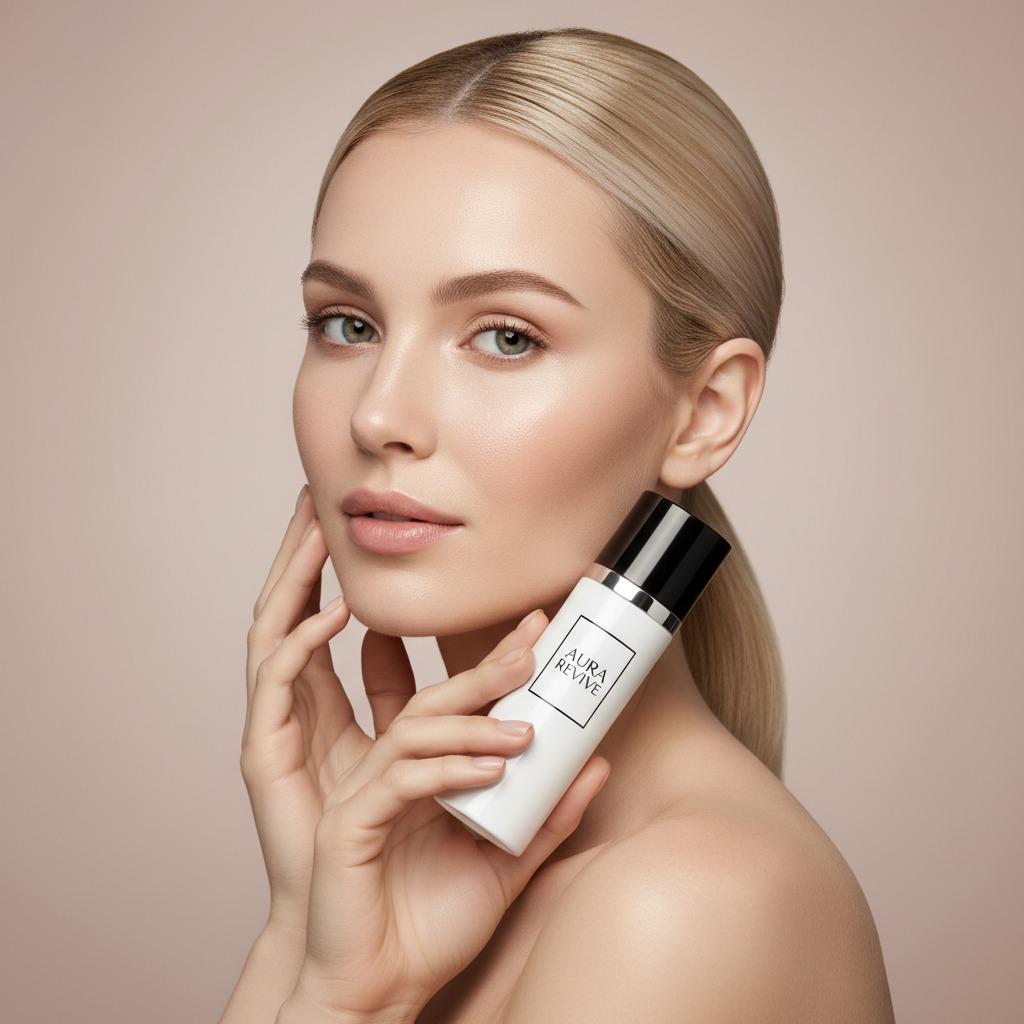
The visible product example here is a portable white plastic bottle with a spray-style cap and a minimalist label. That is not just a design choice. It tells a buyer a few useful things.
First, the pack is intended to be hand-held and easy to apply. That usually favors products used in grooming routines, including hair styling and smoothing applications. Second, the opaque cylindrical bottle suggests a desire for a clean, controlled presentation, possibly to protect the contents from light or simply to create a neat retail look. Third, the spray nozzle implies the formula has to be compatible with a dispensing system, which introduces its own requirements around viscosity and clog resistance.
This is where a good cosmetic factory earns its keep. A supplier that understands container-formula compatibility will ask the right questions early: Does the liquid atomize cleanly? Does it settle? Does the valve hold up after repeated use? Can the closure survive shipping vibrations without leaking? These are not glamorous issues, but they determine whether the product works as intended.
Selection criteria that are easy to overlook
Most buyers remember the obvious points: price, minimum order, packaging style, and branding support. The less obvious points often matter more after launch.
Material behavior
A plastic bottle may be inexpensive and lightweight, but not every plastic behaves the same way with every formula. Some liquids can stress certain materials over time. If the product contains volatile components, oils, or active ingredients, the container and closure should be checked as a system, not as separate parts.
Filling accuracy and closure integrity
For personal-care products, especially those sold in a pump or spray format, filling consistency affects both appearance and customer trust. Too much headspace can look cheap; too little can cause leak risk. A reliable skincare manufacturer should be willing to discuss how they control these basics.
Label and print durability
Minimalist packaging looks clean, but it also exposes flaws quickly. A scuffed label, uneven print, or peeling adhesive becomes obvious on an otherwise plain bottle. If the product is going into retail, that matters more than many teams expect.
Export handling
International buyers should ask how the factory manages packing for long-distance transport. This is especially important for products moving through humid or hot corridors. Outer cartons, inner protection, and palletization may seem boring, but they protect the goods that actually pay the bills.
Common mistakes buyers make when evaluating a cosmetic factory
The first mistake is treating all personal-care suppliers as if they offer the same service depth. A company that can produce a neat sample bottle may not be prepared for a commercial run with labeling, carton work, and repeatable lot control.
The second mistake is focusing only on surface appearance. Good packaging helps, but it does not prove formula stability or dispensing quality. A sleek bottle can still fail in the field.
The third mistake is under-specifying the project. If you do not define the intended use clearly, the factory may optimize for the wrong outcome. A spray product for salon use, for example, may need a different atomization profile than a daily home-care mist. That difference is easy to miss and hard to fix later.
The fourth mistake is not asking how the supplier handles uncertainty. A practical factory will not pretend to know what it does not know. If the ingredient system, spray behavior, or bottle compatibility needs confirmation, the supplier should say so and propose a test path.
How to brief a supplier so the first sample is actually useful
A good brief saves time, but only if it includes the details that affect manufacturing. At minimum, buyers should share the intended product type, target user, preferred package, and any hard constraints on branding or logistics. If the product is a hair care item, note whether the desired effect is smoothing, detangling, anti-frizz support, or another grooming function.
It also helps to send reference photos of the package format you want. In this case, a white cylindrical spray bottle with a restrained label would tell the factory far more than a vague request for “premium look.” If the packaging must be compact or salon-friendly, say that early.
A small caution: do not overload the brief with claims that have not been validated. If the formula is still under development, keep performance language modest until test data exists.
Why buyers often prefer OEM/ODM for personal-care launches
OEM/ODM services can be useful when the customer wants a product that feels finished without building a lab or packaging line from scratch. For new launches, that is often the fastest route from concept to shelf. It can also be the safest route if the supplier already understands filling, branding, and export packaging.
Still, the buyer should not confuse convenience with control. The more you outsource, the more important it becomes to lock down specifications in writing. That includes bottle style, closure type, label placement, carton requirements, and the exact product format to be produced. A small misunderstanding can ripple through the whole order.
Questions worth asking before you place an order
Ask whether the supplier can support your intended package format. Ask how they confirm compatibility between the formula and the container. Ask what parts of the process are standardized and what parts are customized. If you are considering a skin care factory or cosmetic factory for a new line, ask how they handle change control when artwork or packaging updates are needed.
Also ask for practical photos or samples of actual production work, not just polished marketing imagery. Real manufacturing capability shows up in details: neat closures, clean labeling, consistent fill levels, and cartons that arrive intact.
FAQ: a few buyer questions that come up often
Can one supplier handle both skin care and hair care?
Sometimes, yes. But capability should be checked by product category, not assumed from the company name alone. Hair products and skin products can have different packaging and compatibility needs.
Is spray packaging always better for grooming products?
Not always. Spray packaging is useful for light application and portability, but it is only a good choice if the formula is suitable for the nozzle and user experience.
What if the supplier cannot confirm a formulation detail?
That is not automatically a problem. It is better for a factory to be cautious than to invent an answer. What matters is whether they can test, verify, and document the issue before production.
Next step for sourcing teams
If you are comparing a skincare manufacturer with packaging-led or OEM/ODM options, start with the product format, then work backward into process capability. The right supplier is not just the one with a polished sample bottle. It is the one that can keep the product stable, the packaging functional, and the order repeatable.
For buyers evaluating personal-care or grooming formats, a clear brief and a few well-chosen technical questions usually reveal more than a long sales deck. That is often enough to separate a dependable partner from a merely attractive one.