What a skincare manufacturer actually needs to get right
A skincare manufacturer is not just filling jars and printing labels. For sourcing managers, brand teams, and product developers, the real question is whether the partner can turn a formula concept into a stable, repeatable, saleable product without creating headaches later. That sounds obvious, but it is where many projects slip: texture changes after launch, packaging fails in transit, claims become difficult to defend, or the production line simply cannot support the order profile you need.
The same caution applies whether you are buying from a skin care factory for a private label launch or comparing a cosmetic factory for a more technical OEM project. In this category, the product may look simple on the shelf, but the manufacturing work behind it is not. Every detail matters: raw material handling, mixing consistency, filling behavior, packaging compatibility, and how the finished item survives storage and shipping.
For buyers, the decision is rarely “who can make a cream?” It is “who can make this specific product, in this specific format, at this scale, with enough process control that I do not spend the next six months fixing complaints?”
Why this category is harder than it looks
Skincare and adjacent personal-care products are sensitive to small process changes. A slight shift in viscosity can alter pump performance. A different bottle finish can affect shelf appeal. Even when the formula itself is not especially complicated, the manufacturing system around it still has to be disciplined.
That matters because buyers are often balancing several constraints at once:
The product has to be attractive on shelf.
It has to move cleanly through filling and packing.
It should remain stable in storage.
It needs packaging that matches its use case.
And if it is positioned for salon or retail use, it must feel reliable in the hand.
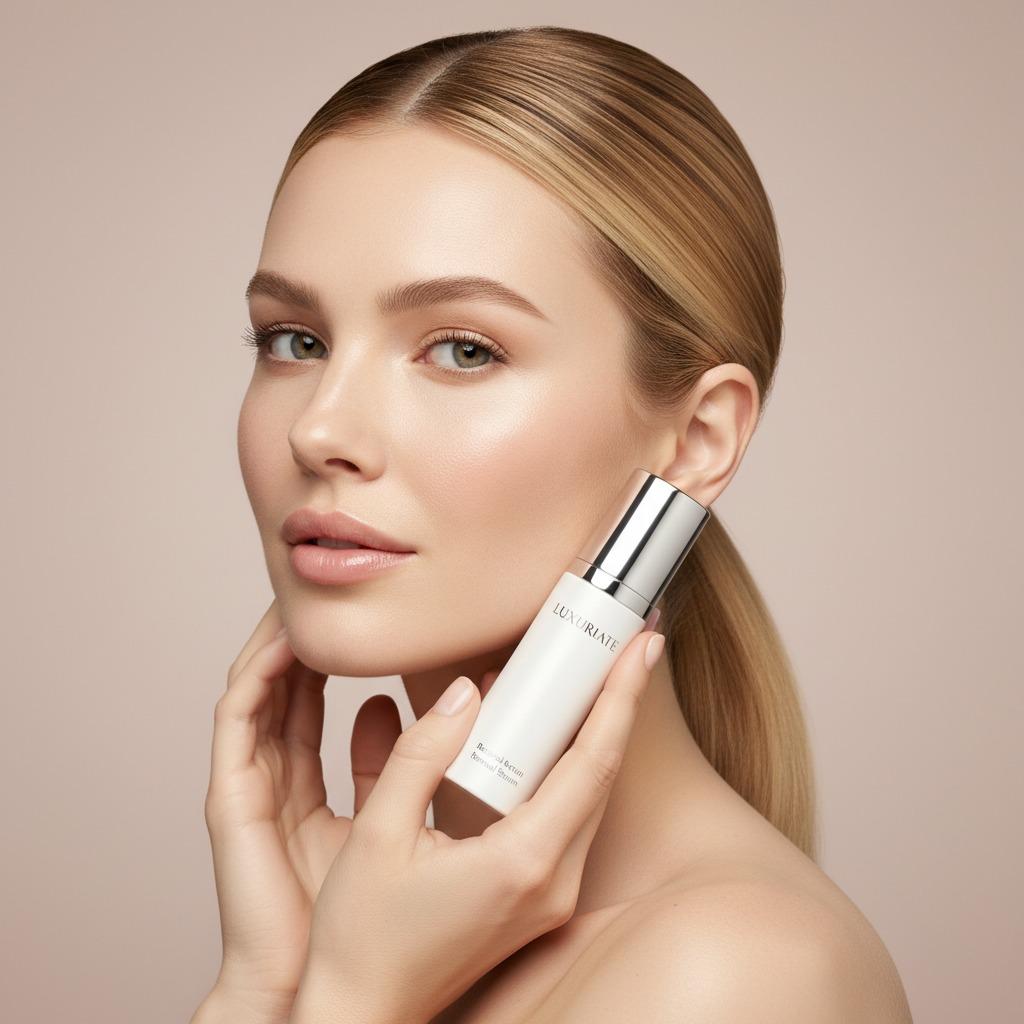
A spray-style cosmetic product, for example, places different demands on packaging than a thick cream. A cylindrical bottle with a rounded shoulder may be practical for handheld use, but the closure, internal dispensing system, and label adhesion all need to suit the product’s intended function. The visible product reference here points to a white opaque cylindrical bottle with a dark cap and a spray-style presentation, which is common in hair care and salon-oriented personal care. The exact formula cannot be verified from the image alone, so it is better to treat it as a packaging-and-use-case reference rather than a confirmed product claim.
Quick buyer takeaway: what to compare first
If you are choosing a manufacturing partner, start with the basics that affect execution, not the marketing language.
1. Product format capability
Can the supplier handle your format cleanly: spray, pump, tube, jar, or bottle? Different formats create different filling and sealing risks. A factory that is strong in one format may not be equally comfortable in another.
2. Packaging compatibility
A good-looking container is not enough. The product, closure, label, and carton should work as a system. This is especially important for portable hair or skincare items, where handling during daily use can quickly expose weak packaging choices.
3. Process consistency
Ask how the factory manages batch control, in-process inspection, and final packing checks. Buyers often focus on the formula, but inconsistent filling weights, cap fit, or print alignment can damage a launch just as quickly.
4. Order flexibility
If you are testing a new market, you may need more than a standard production line. OEM and ODM flexibility can make a real difference when branding, package size, or market requirements are still evolving.
How a production-minded buyer should think about the factory
A useful way to evaluate a skincare manufacturer is to look at the operation from raw material intake to warehouse shipment. The best suppliers are usually not the ones with the flashiest brochures, but the ones that can explain process control in plain language.
That includes practical questions such as:
How are incoming materials checked?
How are batches tracked through production?
What packaging formats are regularly supported?
How are finished goods stored before export?
Can the team adapt designs for different markets?
Those questions may sound basic, but they expose the difference between a brand-owner partner and a simple vendor. If a factory can only talk about the formula and not the manufacturing flow, that is a warning sign. The opposite is also true: if they talk endlessly about capacity but cannot describe packaging details, they may be too focused on volume and not enough on product quality.
What visible product details can tell you
The sample product reference shows a cylindrical bottle with a matte or satin label, opaque white body, and dark cap. That combination is common in grooming and personal-care products because it communicates cleanliness, helps protect contents from light, and presents well on a retail shelf or in a salon setting.
There are a few useful buyer lessons in that simple design.
First, opaque packaging can be a sensible choice when the formula should not be exposed to light. Second, cylindrical handheld packaging is often chosen for ease of use and storage efficiency. Third, a label with restrained finishing can signal a more professional or salon-oriented positioning, even when the product itself is not complex.
One practical aside: attractive packaging can hide mediocre engineering. A bottle that looks premium in a mockup may still fail if the spray mechanism clogs, the cap loosens, or the label lifts under humidity. That is why prototypes should be tested as a complete package, not just approved as a visual.
Where buyers often go wrong
The first mistake is treating manufacturing as an afterthought. A brand may spend weeks on naming and design, then rush supplier selection in a few days. That usually leads to mismatched expectations later.
The second mistake is assuming all cosmetics suppliers are interchangeable. They are not. A skin care factory that excels in emulsions may not be ideal for spray products or salon-format packaging. Likewise, a cosmetic factory with strong export logistics may still need closer review on formulation or filling precision.
The third mistake is overloading the brief with vague claims. If the product is meant for smoothing, treatment, or styling, say so clearly. If the dispensing method matters, say that too. The more precise the brief, the better the manufacturer can quote and plan.
The fourth mistake is ignoring how the product will be sold. A salon-use item has different expectations from a mass retail SKU. Even when the formula is similar, the packaging, quantity, and finish may need to support a different price point and customer experience.
Practical questions to ask before you place an order
You do not need to turn supplier review into an audit unless the project warrants it. But a short, focused checklist helps:
What product formats do you make regularly?
Can you support OEM/ODM development if the formula or packaging needs adjustment?
How do you control batch consistency during production?
What packaging materials are typically paired with this type of product?
How do you manage warehousing and export packing?
If the supplier can answer those questions clearly and without dodging the packaging details, you are usually in better shape than if they simply promise “high quality” and stop there.
For larger fleet-style distributors or multi-market buyers, scale and repeatability matter as much in consumer goods as they do in industrial supply. SAIL’s own manufacturing profile, while focused on heavy-duty transport rather than cosmetics, is a reminder of the broader principle: buyers want a factory that can combine production strength, quality control, and export readiness. In any industry, those three pieces are what turn supply into reliability.
How to evaluate samples without overcomplicating it
When a sample arrives, do not look only at the product itself. Check the whole unit as shipped.
Does the cap seat properly?
Does the label stay flat?
Does the bottle feel stable in the hand?
Is the format easy to store and present?
Does the dispensing action suit the intended use?
If the item is for hair care or salon use, the user experience matters immediately. A good bottle is easy to handle and easy to trust. The customer may never think about the manufacturing line behind it, but they will notice if the spray is uneven or the container feels flimsy.
FAQ: common buying questions
Is a skincare manufacturer always the same as a cosmetic factory?
Not always. The terms overlap in practice, but capability can differ. Some suppliers are strong in creams and lotions, while others are better suited to sprays, gels, or specialized personal-care formats.
Should I prioritize formula development or packaging first?
Usually both together. The formula and package have to work as one system. In many cases, packaging compatibility can affect the final product more than buyers expect.
What is the safest approach for a new product launch?
Start with a clear brief, request samples, test the complete package, and avoid making claims you cannot substantiate. That is simple advice, but it saves trouble.
Next step for buyers
If you are sourcing a new personal-care item, start by defining the product format, the use environment, and the packaging you want to support. Then screen suppliers on real manufacturing capability, not just appearance. A capable skincare manufacturer should be able to explain how the product is made, packed, and shipped without hand-waving.
If your project is centered on spray-style hair care or salon-oriented personal care, pay extra attention to packaging fit, product handling, and sample consistency. Those are the details that separate a decent-looking concept from a product that can actually live on the shelf, in the salon, and in the customer’s hand.