Things to consider before choosing an electronic lock
Electronic locks are more than just a "key replacement." They reduce the hassle of entering and exiting, lessen the worry of forgetting to lock the door, and even transform the management of visitors and entry/exit. Especially since smart locks have become commonplace, they are increasingly being considered not only for residential entrances but also for office entrances and small shops. 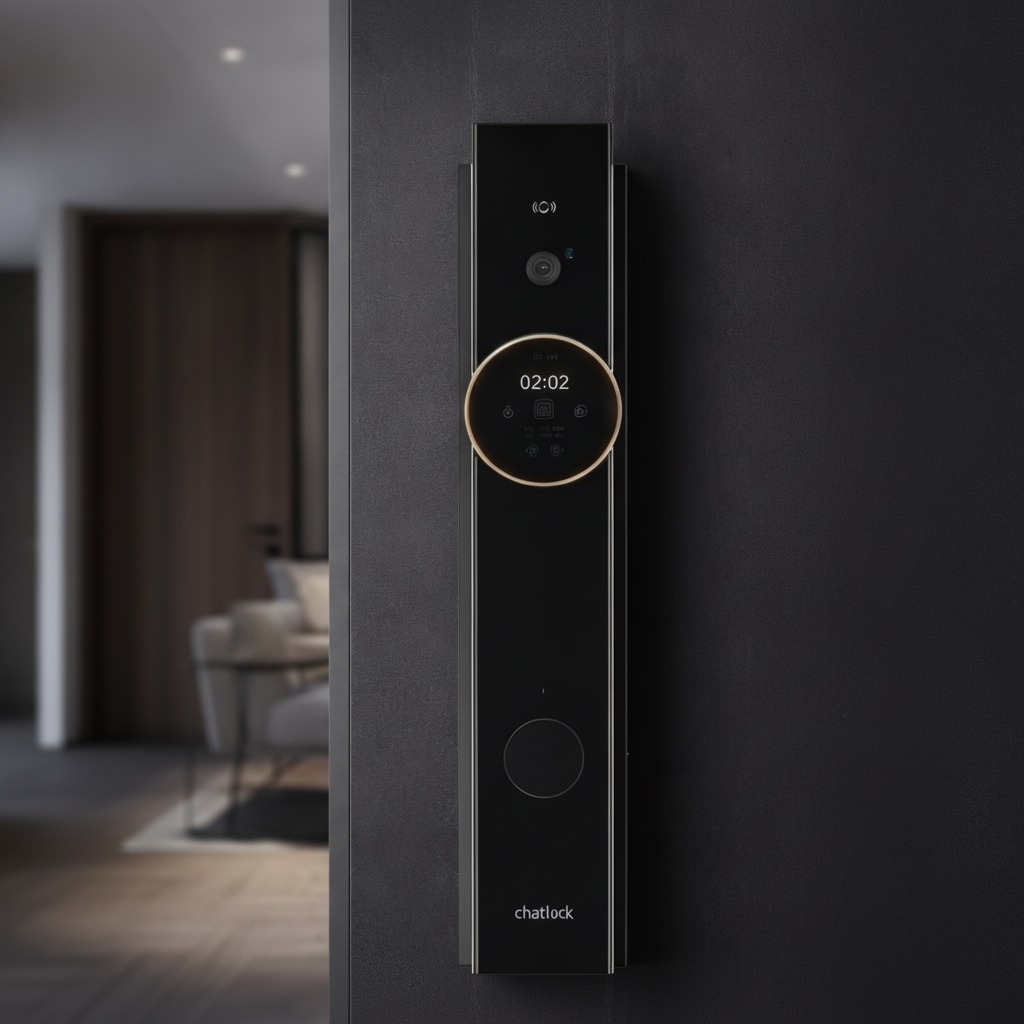
However, this is also an area where choosing based solely on appearance can easily lead to disappointment. In the field, the issues that arise before ease of use are "Can it be installed?", "Can it withstand daily operation?", and "How can it be opened in an emergency?". Organizing your purchasing criteria beforehand will help you avoid unnecessary modification costs and operational problems later on.
Situations where electronic locks are suitable, and situations where caution is still warranted.
Electronic locks are particularly useful in places where handing over keys is inconvenient. For example, homes where someone in the family often forgets their keys, offices with frequent short-term entry and exit, and reception areas with many visitors. With products like smart locks, which have a unified control system, the act of searching for the keyhole itself is eliminated, reducing small everyday stresses.
On the other hand, it's not a one-size-fits-all solution for all doors. For older doors, doors with special locking mechanisms, or areas related to fire prevention or evacuation, checking mechanical compatibility and legal compliance is the first step. Skipping this step will result in the unfortunate situation where even a good product cannot be used on-site.
What can be gleaned from this product image?
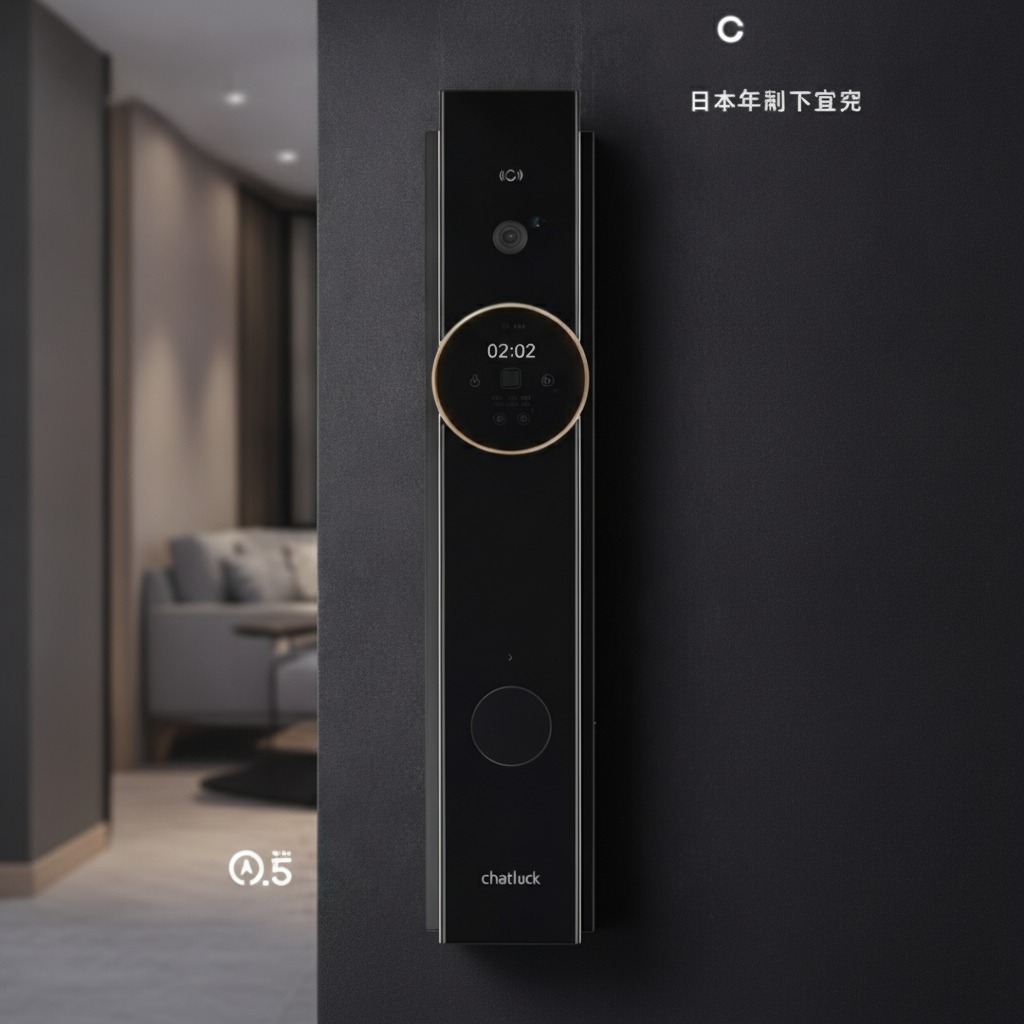
The product information provided shows a slim, vertically oriented black body with a circular display and multiple touch areas. Near the center is a module that appears to be a sensor or camera, and at the bottom is a circular control area that resembles a fingerprint sensor. The brand name is "chatlock".
Based on its appearance, it's highly likely that this isn't just a simple mechanical lock, but an electronic lock integrating display, input, and authentication. The presence of a time display suggests it might have features for status checking or logging. However, the communication method, unlocking method, power specifications, and authentication performance cannot be determined solely from the image. These are aspects that should be clarified in the specifications document rather than based on appearance during procurement.
Practical points to check before purchasing
1. Compatibility with existing doors
Electronic locks are not a one-size-fits-all solution. If the door thickness, backset, compatibility with existing locks, and indoor/outdoor installation space are not suitable, installation costs will increase. If the actual dimensions are unknown, prioritize confirming whether installation is possible.
2. Multiple unlocking methods
In the field, "convenient in everyday life, reliable in emergencies" is crucial. While combinations of PINs, cards, fingerprints, and apps are appealing, we always check whether there are alternative methods in case of power outages or communication failures. If this aspect is overlooked, ease of use can quickly turn into a source of anxiety.
3. Burden on the operator
In rental properties with frequent tenant turnover, or small offices with a high turnover of users, ease of registration, deletion, and access control becomes crucial. A product that sounds impressive at the time of implementation but leaves users with cumbersome issues six months later will ultimately go unused.
A common mistake is becoming complacent because of the "number of features."
A common mistake with electronic locks is focusing solely on the specifications listed in the specifications sheet and overlooking the actual operational aspects. For example, while fingerprint authentication might seem convenient, it may not work as expected in situations where hands are wet. Even if a lock has features that allow it to integrate with smart locks, it's meaningless if the person in charge can't use it effectively on a daily basis.
Another common mistake is underestimating indoor and outdoor usage conditions. Environments similar to the outdoors, temperature fluctuations, and frequent opening and closing are surprisingly harsh conditions for electronic components. The more details you can't find in the product catalog, the more important it is to verify them in real-world conditions.
Guidelines for deciding whether to implement
If you want to reduce the number of key exchanges, streamline entry and exit management, and create a cleaner look for your entrance, an electronic lock is a very viable option. In particular, the slim, wall-mounted design blends well with the appearance of both residential and light commercial spaces.
However, the success or failure of implementation depends more on "which door it's installed on and how it's used" than on "which product it is." Even a good-looking smart lock can cause problems in practice if the installation conditions and alternative unlocking methods are not properly considered.
What to do next
If you have potential products in mind, first organize the dimensions of the door, the type of existing lock, the requirements for power and communication, and who will be responsible for daily operation. Then, instead of judging solely by product photos, the quickest way to make a decision is to compare the specifications and installation conditions.
Electronic locks are products that sell convenience, but their suitability for the specific site is paramount. Careful consideration of this aspect will significantly impact customer satisfaction after installation.