American Mahjong: what buyers and players should understand before choosing a set
American Mahjong has a way of looking simple from across the table and then turning surprisingly specific once you actually sit down to buy or use a set. The tiles are familiar enough, but the game itself depends on a particular rack-and-wall style setup, a printed rule card, and a fair amount of organization. If you are sourcing American Mahjong sets for home play, a club, or a retail catalog, the real question is not whether the game is attractive. It is whether the set supports easy sorting, clear visibility, and a comfortable group-playing format that matches the rules your players use.
That matters because American Mahjong is not just a stack of decorative tiles. It is a table game built around handling dozens of individual pieces, arranging them quickly, and keeping the play area tidy enough that players can focus on the hand they are building. A weak mat, confusing graphics, or flimsy tile marking can make an otherwise good evening feel fussy. Buyers usually notice that only after the set is already on the table.
Quick reference: what a practical American Mahjong setup needs
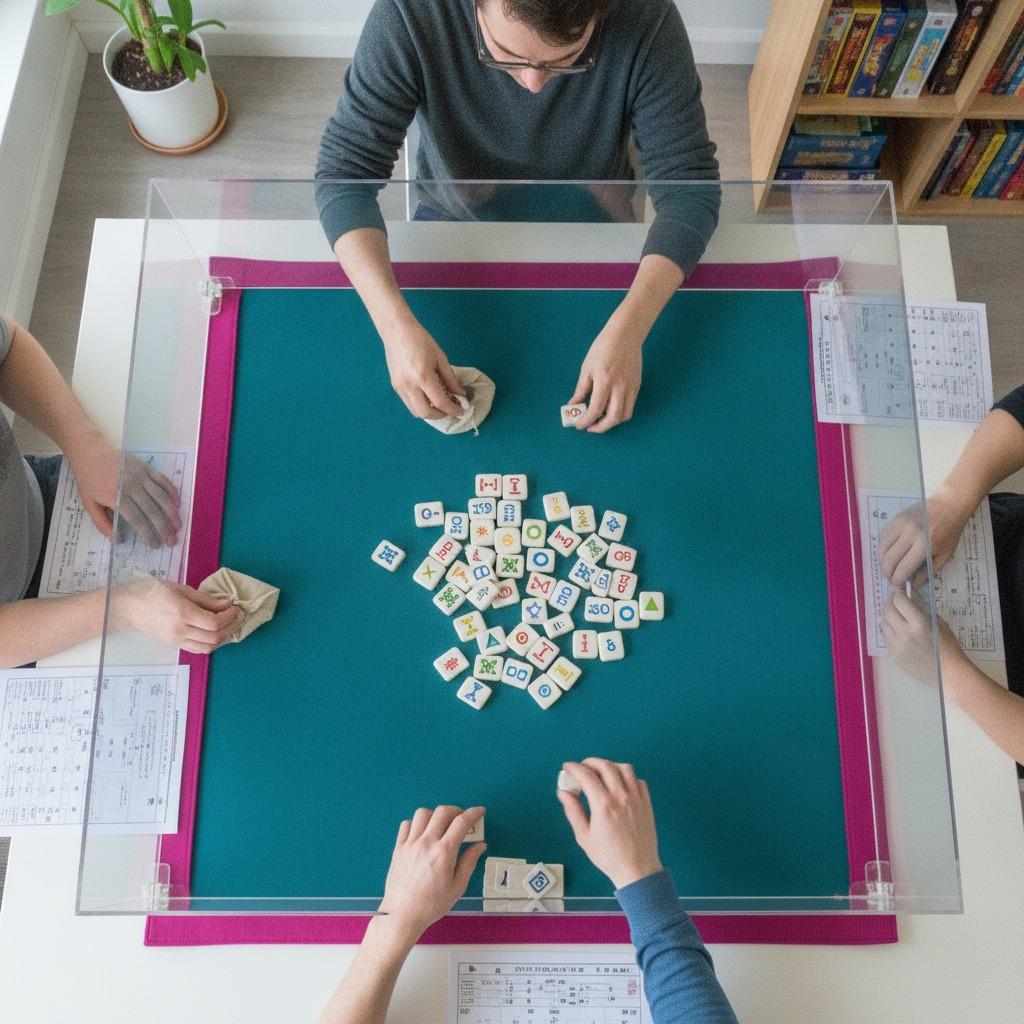
A workable set for this style of play usually comes down to four things: readable tiles, enough pieces for group play, a defined playing surface, and some way to keep the layout contained. In the product information provided here, the visible format includes many square tiles with printed markings, a large felt-like mat, and a clear perimeter frame or rail. That is the right general direction for this game format.
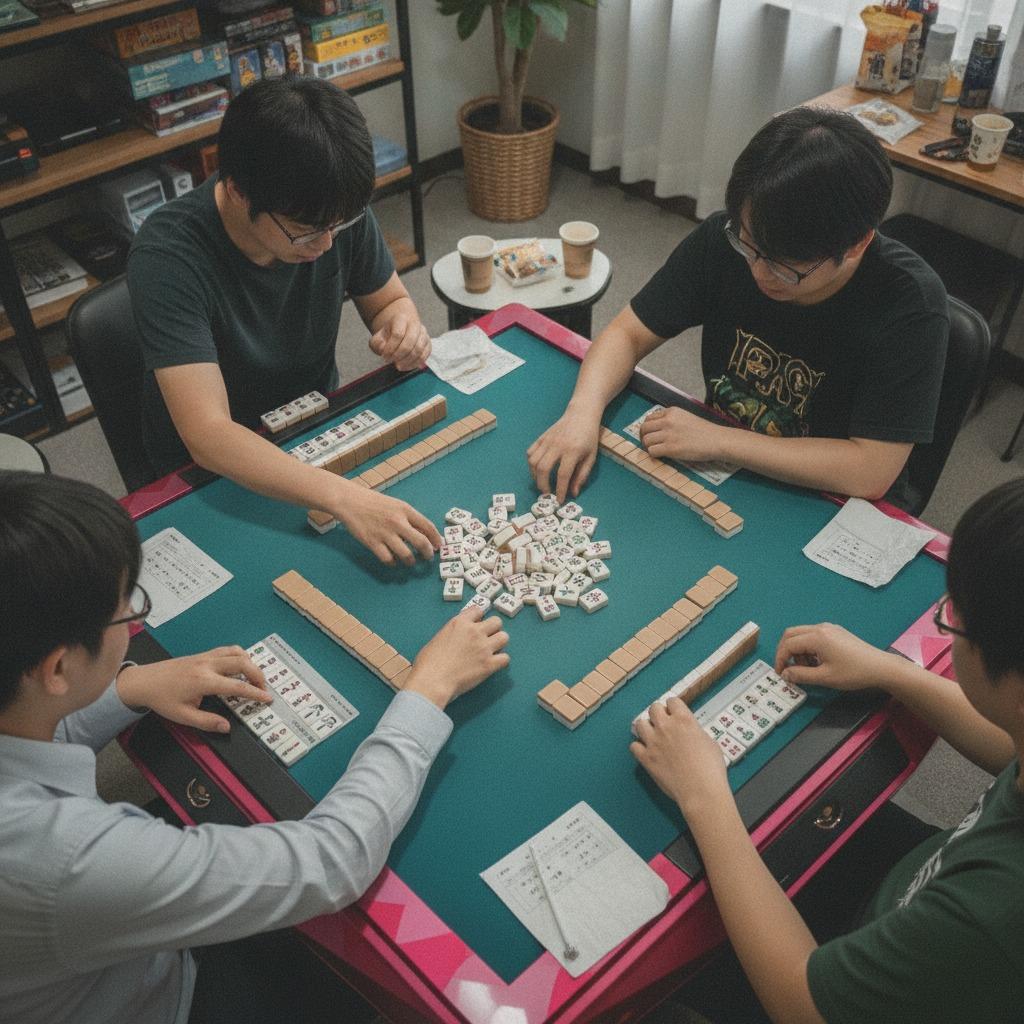
For sourcing teams, the useful distinction is between a decorative board-game box and a play system that actually supports table use. American Mahjong tables can get crowded fast. Pieces move, score sheets spread out, and players often need reference material close at hand. A mat with border graphics and a frame around the edge is not a luxury detail; it can reduce accidental spills and help define the game area.
Why the game format matters more than people expect
The appeal of American Mahjong is partly social and partly mechanical. Players draw, discard, sort, and rebuild hands. That means the set is constantly being touched, scanned, and rearranged. If the tiles are too small to read quickly, or the symbols are printed in a way that feels busy rather than clear, the table slows down.
The same applies to the surface. A fabric or felt mat gives a softer playing zone than a bare tabletop, and the visible perimeter rail can help keep loose tiles from spreading beyond the play area. That is a practical feature, not an ornamental one. Anyone who has watched a half-formed wall or loose center pile slide off the table knows how quickly a group game can lose momentum.
American Mahjong rules: why the set has to support the rulebook, not fight it
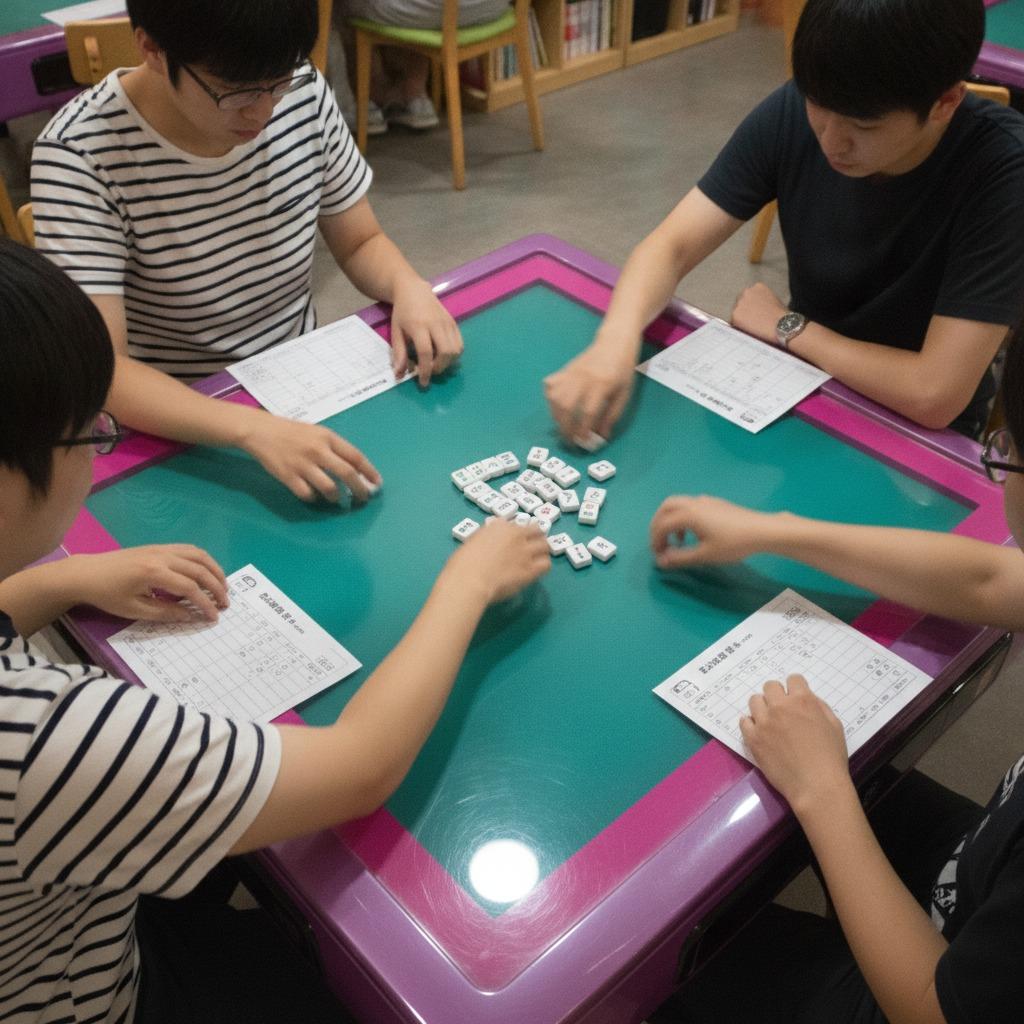
One of the less obvious buyer mistakes is assuming all Mahjong-style products work the same way. They do not. American Mahjong rules rely on a specific table routine and often on a printed reference card or score sheet. The product details here mention printed rule or score sheets visible at the edges, which is exactly the sort of support material that makes a set feel usable rather than merely presentable.
If you are buying for beginners, this matters even more. New players usually need visual help with tile organization and hand-building. A clear layout, readable tile faces, and a stable playing surface can shorten the learning curve. That does not replace the rules themselves, of course, but it can reduce the friction that makes first-time play feel intimidating.
What the set should help players do
At minimum, the set should help players:
- identify tiles quickly
- separate tiles into workable groups
- keep the center pile organized
- read reference material without crowding the table
- maintain a clean, shared play space
That list sounds basic, but it is the difference between a set people keep using and one that sits in storage after one or two sessions.
Materials and construction: what can be inferred, and what should not be assumed
From the visible product description, the tiles appear to be square with rounded edges and printed markings, likely in a plastic, resin, or laminated composite format. The mat appears to be a large fabric or felt surface with printed border graphics. Clear plastic edges or rails are visible around the perimeter.
That is enough to discuss general manufacturing logic without pretending to know the exact process. The tiles may be molded, printed, or finished in a way that supports mass production, but the precise method is not confirmed. Likewise, the mat could be part of a kit or simply a play accessory used with the set. Those are important distinctions, especially for sourcing, but they should be verified rather than guessed.
A practical caution here: tile readability usually matters more than novelty finishes. Buyers sometimes focus on color style first, then discover the symbols are hard to distinguish under indoor lighting. That is a small issue that becomes a big annoyance after the third hand.
How to compare American Mahjong sets for real-world use
If you are comparing sets for retail, gifting, or club use, it helps to think in terms of table function rather than box appeal.
1. Tile readability
The tiles should show markings clearly at a glance. Strong contrast is useful, but so is visual consistency. If symbols, numbers, and color accents compete with each other, players will spend more time squinting than playing.
2. Layout support
A large mat or defined play surface matters more than many buyers expect. It helps set the boundaries for the game and gives the group a shared visual center. The visible rail/frame is especially helpful if the game is played on a smooth table where pieces can slide.
3. Completeness of the kit
American Mahjong sets are often evaluated by what is included alongside the tiles: reference sheets, score sheets, racks, or organizing aids. The provided product information indicates printed rule or score sheets may be present. That is a meaningful detail because it changes how beginner-friendly the set feels.
4. Group-play convenience
This is not a solo game. A good set should make it easy for several people to sit around the table without crowding the center. The play area should be large enough, and the tile organization system should keep the session moving.
Common mistakes buyers make
The first mistake is assuming all Mahjong sets are interchangeable. They are not, and American Mahjong in particular has its own expectations around table format and player reference tools.
The second mistake is overvaluing ornamentation. A pretty tile face does not help if the symbols are hard to read or the mat is too thin to stay in place.
The third mistake is underestimating storage and handling. Many small tiles need a place to live between games, and a large mat needs to be folded or stored without becoming a permanent wrinkle. That is not glamorous, but it affects day-to-day use.
The fourth mistake is buying for experienced players without checking how much support the set offers for beginners. A club set and a family starter set can look similar in photos while serving very different needs.
Who this type of set is best suited for
Based on the visible product features, this format is well suited to home game nights, family entertainment, hobby groups, club play, and teaching a tile-based strategy game. It is the kind of setup that makes sense when the goal is shared table play rather than display.
For sourcing managers and retailers, the practical market is broader than you might think. Some buyers want an entry-level set with clear components. Others want a more complete playing system for regular gatherings. The mat-and-rail format gives you a product story that is easy to explain: a cleaner, more organized way to play.
What to ask before placing an order
If you are evaluating American Mahjong sets for procurement, ask for the details that are easy to overlook in a product photo:
- What exactly is included in the kit?
- Are the tiles matched to American play expectations?
- Is the mat part of the set or a separate accessory?
- How are the tiles marked for readability?
- Is the perimeter frame meant to be rigid, flexible, or detachable?
Those questions save time. They also prevent the familiar situation where a sample looks complete online but arrives missing the practical extras that make the game usable.
Why the supplier’s manufacturing mindset still matters
Even though the company profile provided here is from SAIL’s heavy-duty transport business, one useful lesson carries over: serious manufacturing is about consistency, inspection, and the ability to support different customer needs. SAIL describes a modern facility, bulk-order handling, quality systems, and customization capability. Those are the kinds of operational traits buyers generally look for in any manufactured product category, whether it is transport equipment or a game set.
For a tile game product, the equivalent expectation is clear repeatability in tile marking, clean finishing, and packaging that protects the parts in transit. Buyers do not need theatrical promises. They need the pieces to arrive intact and the set to make sense when opened.
FAQ
Is American Mahjong the same as other Mahjong versions?
No. The general tile-game family is related, but American Mahjong uses its own table practices and rule expectations.
What makes a good American Mahjong set for beginners?
Readable tiles, a stable play surface, and printed support material. Beginners benefit from anything that reduces setup confusion.
Why include a mat or rail system?
Because it helps define the play area and keeps loose pieces from sliding or spreading across the table.
Should buyers prioritize the tiles or the accessories?
Both matter, but the accessories determine how easy the game is to play at a real table. A decent tile set can still feel awkward if the surface setup is poor.
Next step for buyers and product teams
If you are comparing American Mahjong products, start with function first: tile readability, surface stability, and completeness of the kit. Then check the details that affect daily use, such as whether the mat is included, how the perimeter frame works, and whether the printed support materials match the way your players learn.
For sourcing or retail planning, the best move is to request a full component list and sample images of the tiles and mat together. That gives you a more honest picture than a box shot ever will. In this category, clarity sells because clarity is what makes the game playable.