What American Mahjong Buyers Usually Need to Know First
American Mahjong is one of those games that looks simple from across the table and then quietly asks for organization, patience, and the right set of components once everyone sits down. For buyers, clubs, and families comparing American Mahjong sets, the real question is not just whether the game is familiar or enjoyable. It is whether the set supports smooth play, clear tile handling, and repeat use without creating avoidable friction at the table.
That matters because this is a game built around small pieces and a shared playing area. If the tiles are hard to sort, the surface is cramped, or the instructions are vague, the social part of the game starts to suffer. The best buying decisions are usually practical ones: readable tiles, a sensible layout, a durable surface, and enough structure to keep the game moving. In other words, the set should help the players focus on the game rather than on the equipment.
A Quick Look at the Set Layout
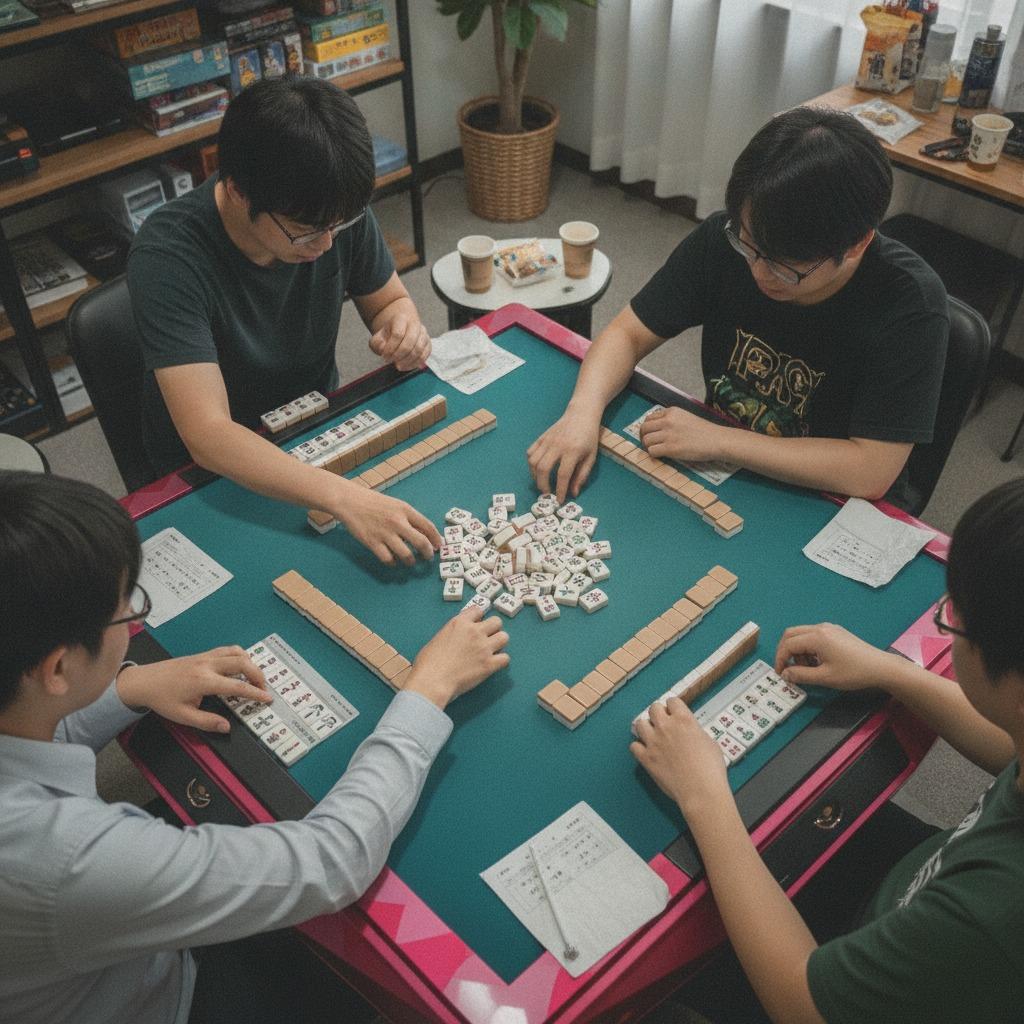
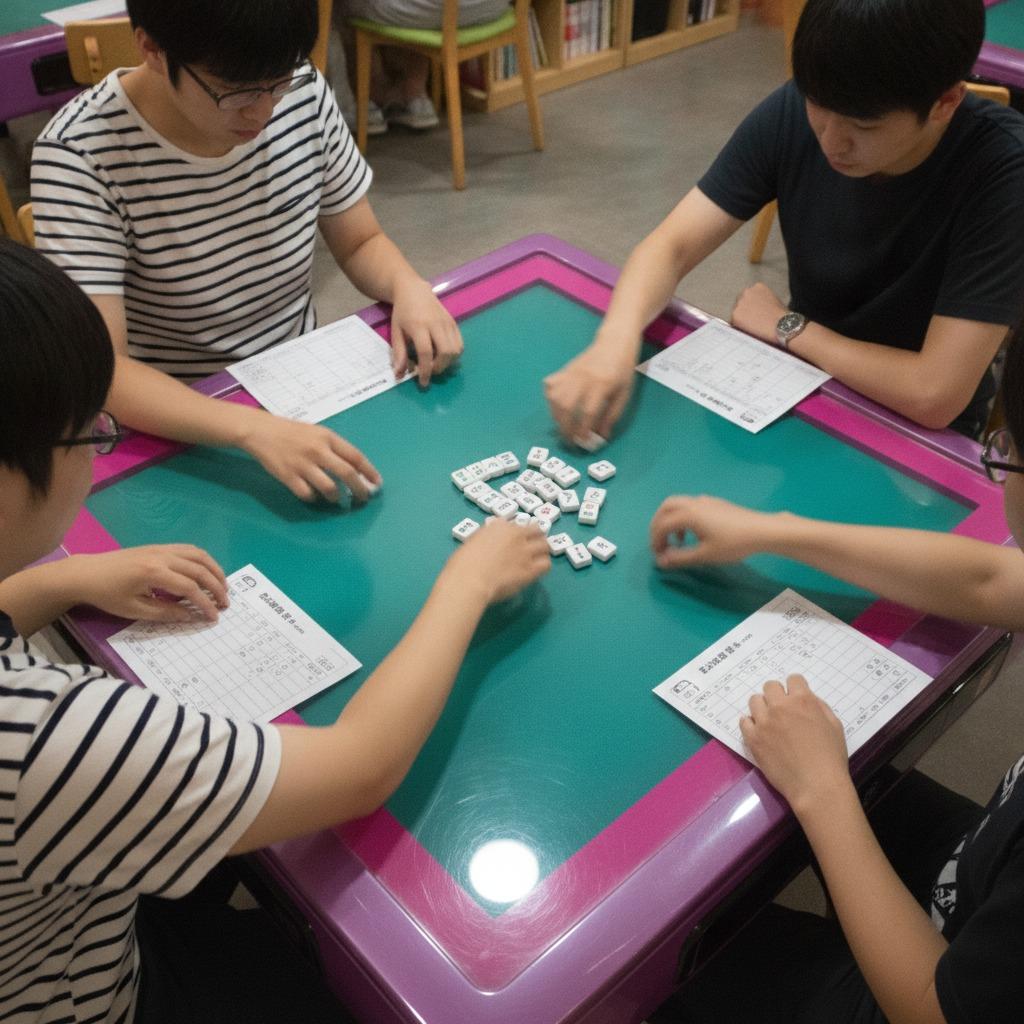
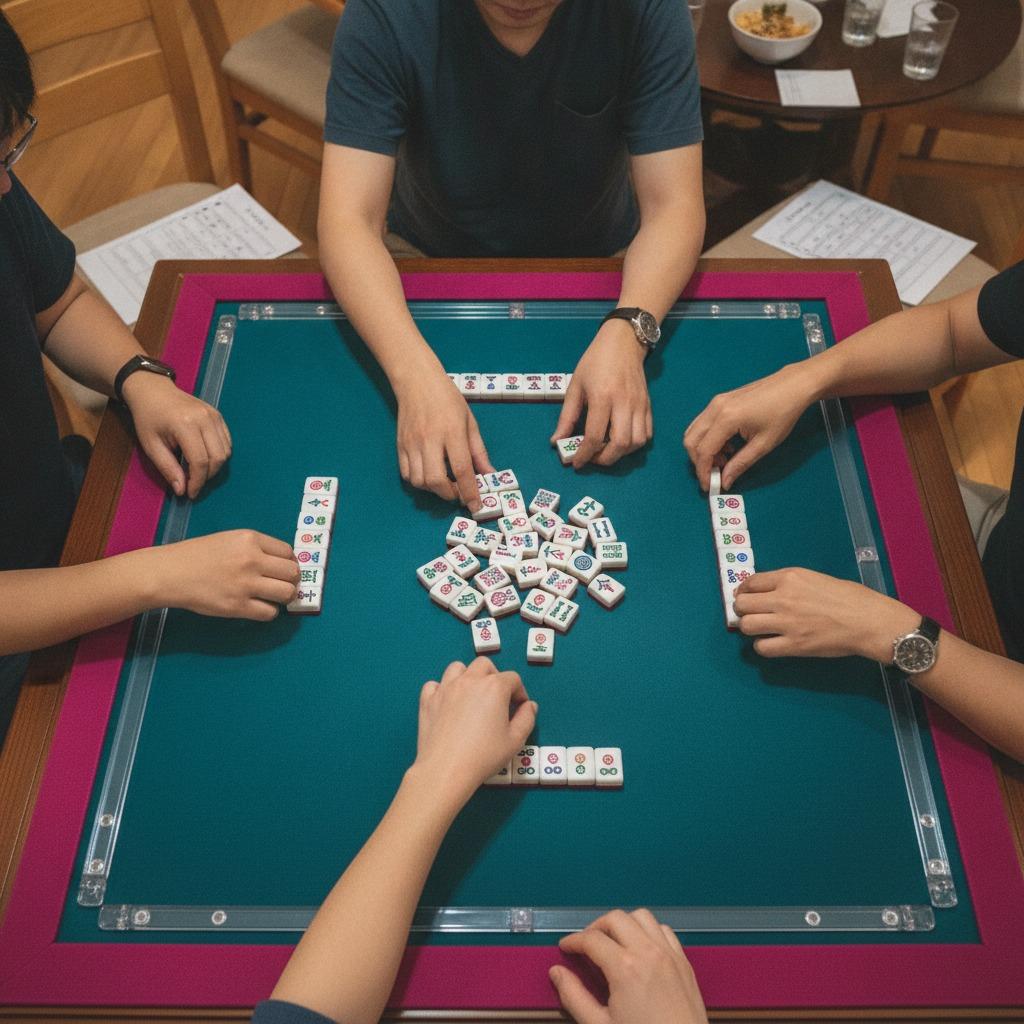
The product information points to a tabletop tile-game set with a square play area, a surrounding transparent frame or tray, individual rectangular tiles, and printed instruction sheets. That arrangement is familiar in many Mahjong-style games because it helps keep tiles organized during draw-and-discard play.
A square mat or board in teal or green is more than decorative. A marked central surface gives players a clear boundary, which helps when the table is busy or when several players are reaching for tiles at once. The transparent perimeter frame appears to serve a practical purpose too: it keeps the pieces within the play zone and helps define the game space. For buyers, those design details are worth paying attention to because they influence how tidy the table stays during long sessions.
The visible instruction sheets are also a useful signal. For a game with specialized rules, good printed guidance can reduce the setup burden and make the set more approachable for new players or mixed-experience groups.
Why American Mahjong Is a Different Buying Decision
American Mahjong is not the same purchase as a generic tile game, even though the equipment may look similar at first glance. The set has to support a ruleset that is often more structured than people expect. Players are not only drawing and discarding; they are also sorting, matching, and tracking combinations with care. That means the physical set has to do some quiet work in the background.
If the tiles are too small, too glossy, or poorly printed, the game becomes harder to read across the table. If the tray or mat does not help define the playing area, the room gets cluttered. And if the instructions are incomplete, the set may sit unused after the first attempt. These are small failures individually, but together they can decide whether a set becomes a regular favorite or a one-time novelty.
American Mahjong Rules: What the Equipment Has to Support
The exact American Mahjong rules are not supplied here, so it would be careless to describe a specific variant as if it were confirmed. Still, buyers generally need a set that supports the same core play behaviors common to Mahjong-style games: tile sorting, concealed hands, draws, discards, and shared table reference.
That means the physical design should make these tasks easier:
- Tiles should be easy to pick up and distinguish.
- Printed symbols or markings should remain readable under indoor light.
- The play surface should stay stable and visible.
- The instructions should be clear enough for repeat setup.
When a set does those things well, players spend less time resolving logistics and more time playing. That sounds obvious, but it is the difference between an enjoyable game night and a table full of questions.
What to Look for in American Mahjong Sets
1. Tile visibility and handling
The tiles described here appear to be rectangular with smooth white faces and printed symbols. For a game like American Mahjong, that is a sensible starting point. Buyers should look closely at contrast, print clarity, and whether the tiles are easy to sort by hand. A tile that looks attractive but becomes hard to read after an hour of play is not much of a bargain.
2. Surface design
A square board or mat with boundary graphics helps keep the game organized. In family settings, this can be more useful than many people expect. It reduces the feeling that the game is taking over the whole room. For clubs, it also helps standardize setups across different tables.
3. Perimeter organization
The transparent rail or frame is a modest but useful feature. It suggests that the set is designed for controlled tile movement and tidier table management. In practice, that can mean fewer accidental spills and less time spent resetting pieces.
4. Instructions included
Instruction sheets are not glamorous, but they matter. A game set with no clear printed guidance can create unnecessary confusion, especially for groups with mixed experience. Even when the rules are already known, a printed reference is helpful for setup and table conventions.
How This Kind of Set Fits Different Use Cases
For home entertainment, the appeal is straightforward. A game like American Mahjong creates a reason to gather around the table and stay there. It works well for family game nights, especially when the set keeps the pieces contained and visible.
For social gatherings and game clubs, the same features carry different weight. A tidy play surface and organized tile handling make transitions easier between rounds. Nobody wants to spend ten minutes chasing tiles around a table because the layout was too loose.
For buyers choosing between American Mahjong sets, the key is to think about the room first. A set that looks fine in a product photo may still feel awkward on a small dining table or in a group setting with limited space. The board dimensions and perimeter design matter as much as the tiles themselves.
Common Buyer Mistakes
One common mistake is treating all tile-based games as interchangeable. They are not. A set that works well for a casual matching game may not be suitable for a more structured Mahjong-style session.
Another mistake is focusing only on appearance. A teal or green play surface can look attractive, but if the markings are hard to read or the layout is cramped, the finish does not help much. Buyers should balance visual appeal with practical use.
A third issue is underestimating the value of instructions. Even experienced players appreciate a clear setup reference, and newcomers often need it.
There is also a small caution worth mentioning: because the manufacturing details are not fully confirmed here, buyers should verify the material, tile count, and size before placing a bulk order or assuming compatibility with a specific group’s preferences. That is especially important for clubs and resellers who need consistency across multiple sets.
Practical Selection Criteria for Purchasing Teams
If you are sourcing American Mahjong sets for a retail catalog, club program, or gift assortment, start with the basics:
- Confirm the play surface size and whether it fits common tables.
- Check tile readability in normal room lighting.
- Review the included instructions for clarity and completeness.
- Inspect how the tiles are stored or contained during play.
- Ask whether the set is intended for casual home use or more regular group use.
These are not glamorous procurement questions, but they are the ones that reduce complaints later.
Where This Product Category Sits in the Market
From a manufacturing point of view, this is a mass-produced consumer game set, likely using printed tiles and a structured play surface. The exact materials and production methods are not confirmed, so it is better to describe it cautiously rather than overstate the process. What is clear is the product category: a table-based game kit designed to bundle the working parts of play into one organized package.
That makes it attractive to buyers who want a ready-to-use set rather than piecing together components separately. The value is in completeness and usability.
FAQ
Is this the same as every Mahjong set?
Not necessarily. American Mahjong sets can differ from other Mahjong-style products in rules support, tile markings, and included accessories.
Are the tiles definitely plastic?
That cannot be confirmed from the supplied information. The visible finish suggests a smooth manufactured tile, but the exact material is unknown.
Is this set suitable for clubs or only home use?
The layout suggests it could work for both, but club buyers should verify size, durability, and instruction quality before standardizing on it.
A Buyer-Facing Next Step
If you are comparing American Mahjong sets, start by checking whether the board layout, tile readability, and included instructions match the way your group actually plays. The right set should lower the effort of setup and keep the table organized from the first round to the last.
For sourcing teams and product planners, the next step is simple: review the set as a working system, not just a game box. The tiles, surface, and boundaries have to function together. When they do, the game feels effortless. When they do not, everyone notices quickly.