Exploring Excellence in Skin Care Manufacturing
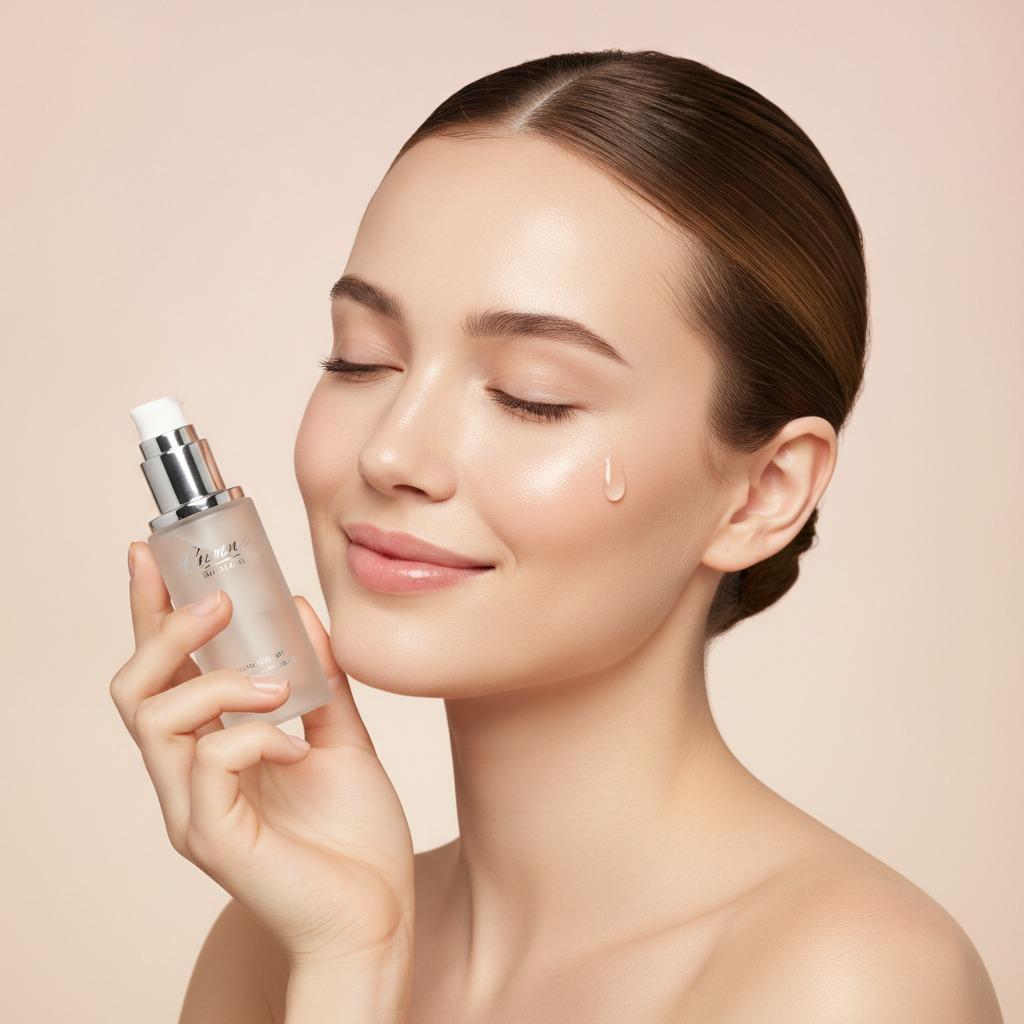
In the competitive world of beauty and wellness, skin care manufacturing stands as a cornerstone for delivering high-quality products that meet consumer demands for efficacy and safety. At our core, skin care manufacturing involves advanced processes to create formulations that nourish and protect the skin, ensuring every product aligns with the highest standards of innovation and reliability. This industry has evolved significantly, driven by a growing emphasis on natural ingredients, sustainability, and personalized solutions. Companies specializing in this field, like those partnering with forward-thinking manufacturers, focus on blending science with artistry to produce items that enhance daily routines. Whether it's lotions, serums, or creams, the goal is to provide transformative results that promote healthier skin for users worldwide.
The Rise of Custom Skin Care Formulations
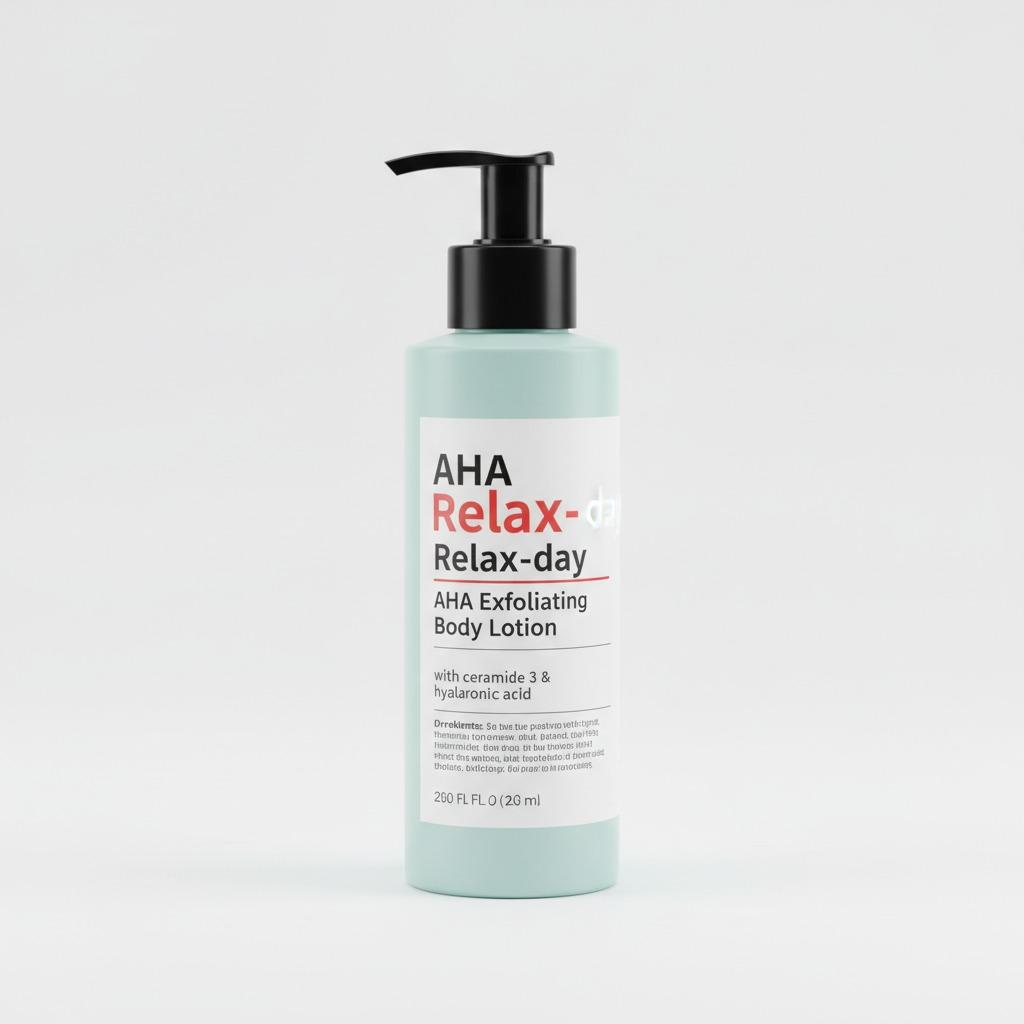
Custom skin care formulations represent a tailored approach within skin care manufacturing, allowing brands to develop unique products that cater to specific skin types and concerns. This process begins with in-depth research into ingredients like alpha hydroxy acids (AHA), ceramides, and hyaluronic acid, which are essential for exfoliation, barrier repair, and deep hydration. For instance, a product such as the AHA Relax-day AHA Exfoliating Body Lotion exemplifies this, featuring AHA for gentle exfoliation to remove dead skin cells, promoting a smoother and brighter complexion. The inclusion of ceramide 3 strengthens the skin barrier, locking in moisture and preventing irritation, while seven types of hyaluronic acid provide multi-level hydration, leaving skin plump and revitalized. Centella Asiatica adds soothing properties to calm and heal, making it ideal for sensitive skin. By offering custom skin care formulations, manufacturers enable brands to differentiate in the market, ensuring products are free from artificial fragrances and housed in user-friendly packaging like the 300g pump bottle for easy application. This customization not only boosts product performance but also aligns with consumer preferences for clean, effective beauty solutions.
Advantages of Private Label Skin Care in Manufacturing
Private label skin care has become a game-changer in skin care manufacturing, providing businesses with the opportunity to launch their own branded lines without the heavy investment in R&D. This model involves partnering with expert manufacturers who handle everything from formulation development to packaging and compliance. In private label skin care, the focus is on scalability and quality control, ensuring products like exfoliating body lotions meet rigorous testing for safety and efficacy. Manufacturers leverage state-of-the-art facilities to produce items that address common issues such as dull texture, dryness, and uneven tone, using ingredients proven to deliver results. For example, a private label version of an AHA-infused lotion can incorporate nourishing elements to rejuvenate tired skin, enhancing self-care routines with professional-grade technology. The benefits extend to cost-efficiency, faster time-to-market, and the ability to offer diverse product ranges, from hydrating lotions to targeted treatments. By choosing private label skin care, companies can build trust with customers through consistent quality, while manufacturers ensure adherence to international standards, making it a strategic choice for emerging beauty brands.
Innovative Processes in Modern Skin Care Manufacturing
The backbone of effective skin care manufacturing lies in innovative processes that prioritize precision and sustainability. From sourcing raw materials to final assembly, every step is designed to maintain ingredient integrity and product stability. In custom skin care formulations, advanced mixing techniques ensure even distribution of active components, such as AHAs for exfoliation and ceramides for moisture retention. Private label skin care benefits from this by allowing brands to specify eco-friendly packaging and hypoallergenic formulas, appealing to environmentally conscious consumers. Facilities equipped with cutting-edge technology can produce large volumes while upholding quality, similar to how a 300g lotion bottle is filled and sealed to preserve freshness. Safety protocols, including pH balancing and microbial testing, are integral to prevent adverse reactions, especially for fragrance-free options suitable for sensitive skin. Moreover, skin care manufacturing increasingly incorporates sustainable practices, like using recyclable materials and ethically sourced botanicals such as Centella Asiatica, which soothes and repairs without compromising efficacy. These processes not only enhance product performance but also contribute to a greener industry, fostering long-term consumer loyalty.
Key Ingredients Driving Skin Care Manufacturing Trends
Central to skin care manufacturing are key ingredients that drive trends toward multifunctional products. Alpha Hydroxy Acids (AHA) remain a staple in custom skin care formulations for their ability to promote cell turnover and reveal radiant skin. When combined with ceramide 3, as seen in advanced body lotions, they fortify the skin's natural defenses against environmental stressors. Hyaluronic acid, particularly in multiple forms, penetrates various skin layers to deliver intense hydration, countering dryness and fine lines. Private label skin care leverages these ingredients to create versatile offerings that suit diverse needs, from daily moisturizing to intensive repair. Centella Asiatica, with its anti-inflammatory benefits, is increasingly featured for calming post-exfoliation sensitivity, ensuring a balanced approach to skin health. Manufacturers focus on stability testing to maintain these ingredients' potency, resulting in products that perform reliably over time. This ingredient-driven innovation in skin care manufacturing empowers brands to meet the rising demand for clean, science-backed beauty, ultimately elevating user experiences.
Building Partnerships in Skin Care Manufacturing
Successful skin care manufacturing thrives on strong partnerships between brands and producers, emphasizing collaboration for optimal results. In pursuing custom skin care formulations, companies work closely with experts to refine recipes, ensuring alignment with market trends and regulatory requirements. Private label skin care further streamlines this by offering turnkey solutions, from concept to shelf-ready products. For items like the AHA Relax-day lotion, partnerships ensure seamless integration of exfoliating, hydrating, and soothing elements into a cohesive formula. Manufacturers provide insights into scalable production, quality assurance, and distribution, helping brands expand globally. This collaborative model reduces risks and accelerates growth, allowing focus on marketing and consumer engagement. By prioritizing transparency and innovation, these partnerships in skin care manufacturing not only deliver superior products but also build enduring relationships that drive industry progress.
The Future of Skin Care Manufacturing
Looking ahead, skin care manufacturing is poised for further advancements, with a shift toward personalization and technology integration. Custom skin care formulations will increasingly utilize AI-driven analytics to predict skin needs, while private label skin care expands to include smart packaging that tracks usage and efficacy. Sustainability will remain paramount, with eco-friendly processes reducing waste and carbon footprints. Products like AHA exfoliating lotions will evolve to incorporate biotech ingredients for enhanced results, maintaining their role in promoting healthy, glowing skin. As consumer awareness grows, skin care manufacturing will continue to innovate, ensuring safe, effective solutions that adapt to diverse lifestyles and preferences.