Skin Care Manufacturing: Innovations and Quality Standards
Skin care manufacturing has become a cornerstone of the beauty industry, enabling brands to deliver high-quality products that meet diverse consumer needs. At its core, skin care manufacturing involves the careful formulation and production of topical products designed to nourish, protect, and enhance the skin. This process combines scientific research, advanced technology, and stringent quality controls to ensure safety and efficacy. As demand for personalized beauty solutions grows, innovations in skin care manufacturing are paving the way for more effective and sustainable options. Whether it's developing creams, lotions, or serums, the focus remains on creating products that deliver visible results while being gentle on the skin.
Understanding Custom Skin Care Formulations
Custom skin care formulations represent a tailored approach within skin care manufacturing, allowing brands to create products suited to specific skin types, concerns, and preferences. This method involves collaborating with manufacturers who can adjust ingredients, textures, and packaging to align with a brand's vision. For instance, in custom skin care formulations, active ingredients like alpha hydroxy acids (AHAs) can be precisely dosed to provide gentle exfoliation without irritation. Manufacturers often use high-performance components such as ceramide 3 for barrier repair and hyaluronic acid complexes for deep hydration. These formulations are developed in state-of-the-art labs, where experts test stability, pH levels, and compatibility to ensure the final product performs optimally. The rise of clean beauty has pushed custom skin care formulations to prioritize natural extracts, like centella asiatica for soothing properties, avoiding artificial fragrances to cater to sensitive skin. This customization not only enhances product appeal but also builds consumer trust by addressing individual needs, from anti-aging to hydration.
By partnering with experienced skin care manufacturing facilities, brands can scale from small batches to large production runs. The process begins with R&D, where formulators analyze market trends and scientific data to innovate. Quality assurance is paramount, with each batch undergoing rigorous testing for microbial safety and efficacy. Custom skin care formulations also allow for eco-friendly practices, such as using recyclable packaging and sustainable sourcing. This level of personalization is what sets premium products apart, offering users a luxurious experience that feels bespoke.
The Advantages of Private Label Skin Care
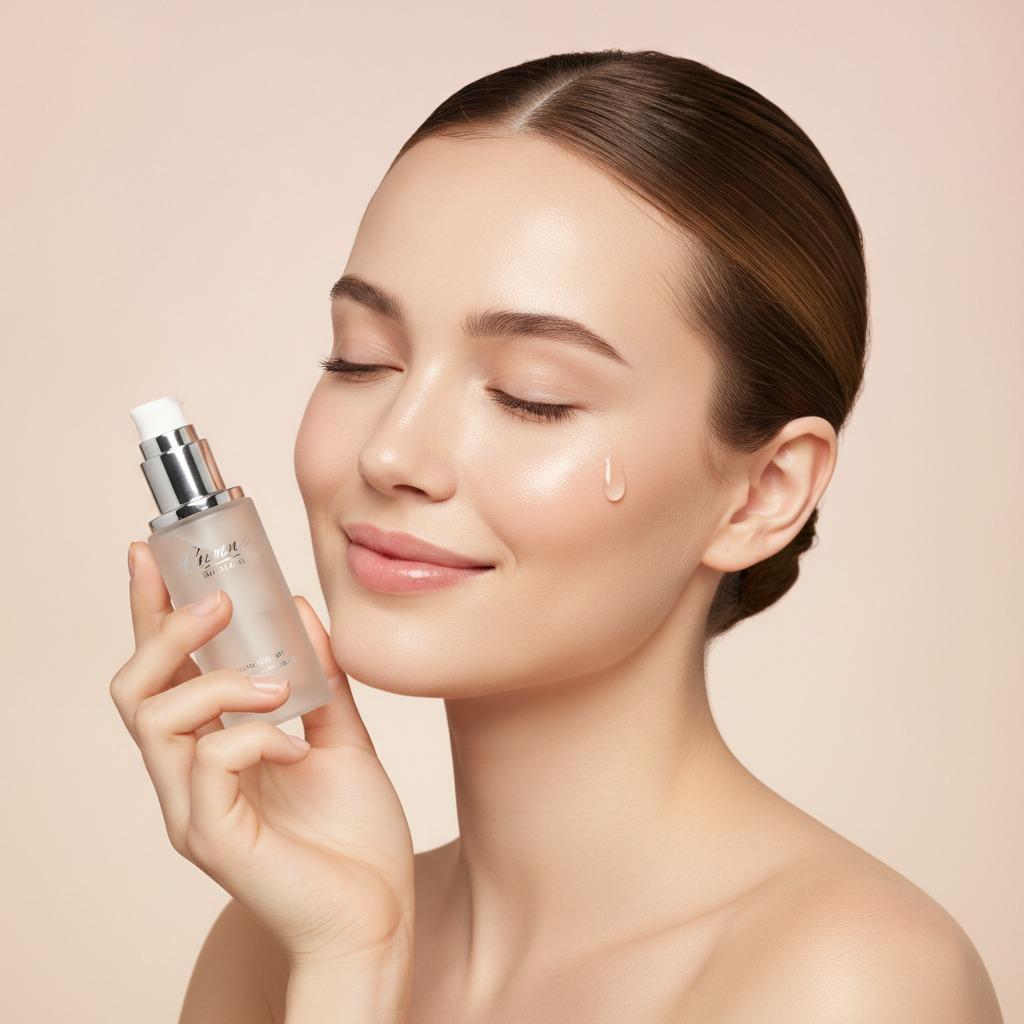
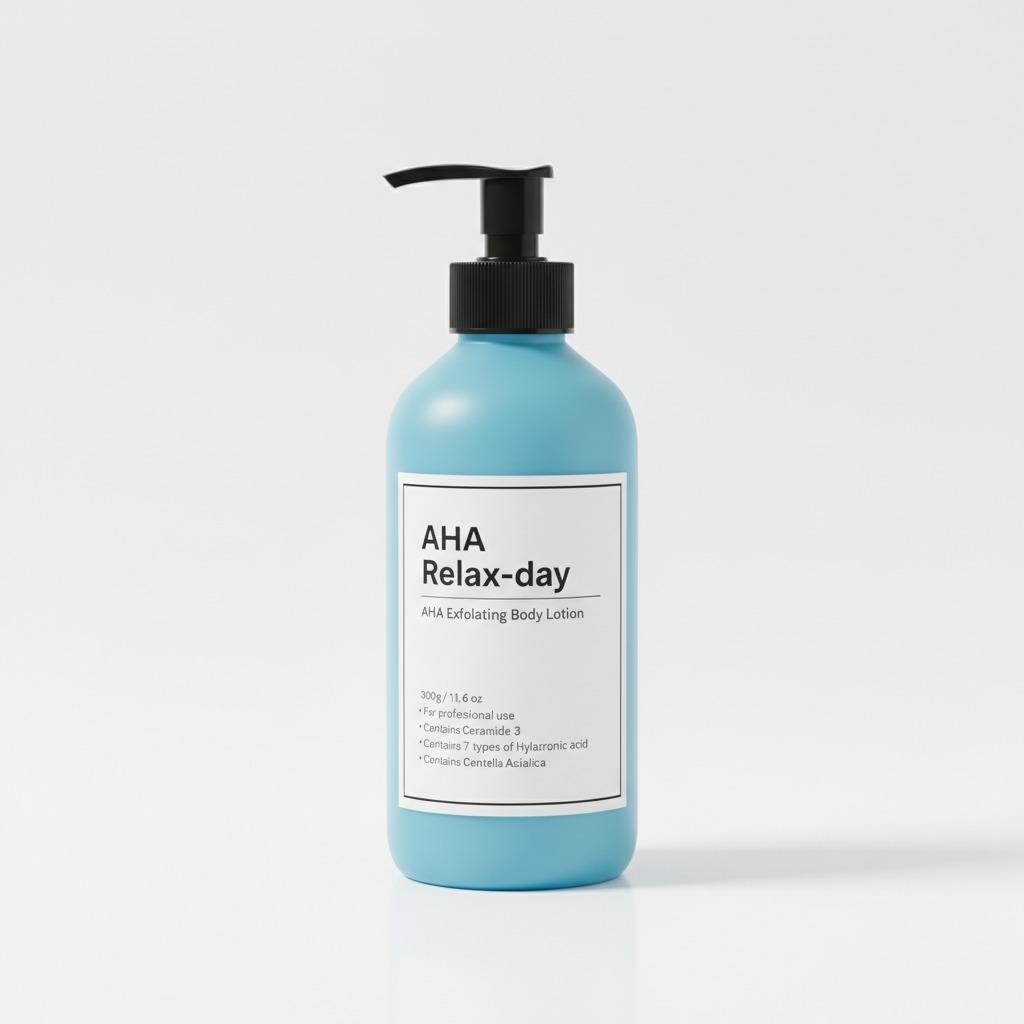
Private label skin care offers brands a strategic entry into the market without the overhead of in-house development, streamlining the skin care manufacturing process. In this model, manufacturers produce ready-to-brand products that companies can customize with their logo and marketing. Private label skin care is particularly appealing for retailers and startups looking to launch lines quickly and cost-effectively. A prime example is a product like an AHA exfoliating body lotion, which features gentle AHA for smoothing skin texture, enriched with seven types of hyaluronic acid for multi-layer moisture, and ceramide 3 to strengthen the skin barrier. This no-artificial-fragrance formula, incorporating centella asiatica for calming effects, comes in a convenient 300g pump bottle, making it ideal for daily use.
The benefits of private label skin care extend to consistency and scalability. Manufacturers handle everything from sourcing ingredients to final packaging, ensuring compliance with global regulations like FDA guidelines or EU standards. Brands can select from a range of formulations, tweaking elements like scent profiles or active concentrations to fit their identity. This approach reduces time-to-market, allowing companies to respond swiftly to consumer trends, such as the demand for exfoliating lotions that promote radiant, hydrated skin. Moreover, private label skin care often includes support services like label design and regulatory documentation, easing the burden on emerging businesses. In skin care manufacturing, this model fosters innovation by enabling access to cutting-edge technology, such as advanced emulsification for stable, non-greasy textures.
Private label options also emphasize sustainability, with many manufacturers adopting green practices to appeal to eco-conscious consumers. For body care products, this means formulations that not only exfoliate and hydrate but also support long-term skin health. Brands leveraging private label skin care can build loyalty through reliable quality, as each product is crafted to deliver professional-grade results at home.
Key Processes in Skin Care Manufacturing
The skin care manufacturing process is a meticulous journey that starts with ingredient selection and ends with quality-checked distribution. High-quality raw materials are sourced from reputable suppliers to guarantee purity and potency. In the mixing phase, precise measurements ensure even distribution of actives like AHAs and hyaluronic acid, preventing separation or instability. Advanced equipment, including homogenizers and filling machines, maintains product integrity during production. Sterile environments are crucial to avoid contamination, with cleanrooms adhering to GMP (Good Manufacturing Practices) standards.
Testing is integral to skin care manufacturing, involving stability trials under various conditions to simulate shelf life. Sensory evaluations assess texture and absorption, while clinical studies verify claims like improved hydration from ceramide 3 or soothing from centella asiatica. Packaging plays a vital role too, with options like pump bottles protecting formulations from air and light exposure. Sustainability is increasingly woven into these processes, with biodegradable materials and energy-efficient operations reducing environmental impact.
For custom skin care formulations and private label skin care, scalability is key. Manufacturers can adjust batch sizes to match demand, from prototypes to mass production. Traceability systems track every component, ensuring transparency and recall readiness if needed. This comprehensive approach not only meets regulatory requirements but also elevates product performance, making skin care manufacturing a reliable partner for brand success.
Innovations Driving Skin Care Manufacturing Forward
Technological advancements are revolutionizing skin care manufacturing, introducing automation and AI for precision and efficiency. AI-driven formulation software predicts ingredient interactions, speeding up custom skin care formulations development. Biotechnological ingredients, like lab-grown hyaluronic acid, offer sustainable alternatives to traditional sourcing. In private label skin care, 3D printing enables custom packaging prototypes, reducing waste and lead times.
Sustainability innovations include waterless formulations and upcycled botanicals, aligning with global eco-trends. Blockchain technology enhances supply chain transparency, allowing consumers to verify ingredient origins. These developments ensure skin care manufacturing remains agile, meeting the evolving demands for inclusive, effective products. As the industry grows, focusing on science-backed innovations will continue to define high-quality skin care solutions.
Choosing the Right Skin Care Manufacturing Partner
Selecting a skin care manufacturing partner requires evaluating expertise, certifications, and capabilities. Look for facilities with ISO certifications and a track record in custom skin care formulations. Assess their ability to handle private label skin care, from formulation tweaks to packaging. Visit production sites to gauge quality controls and innovation potential. A strong partner should offer end-to-end services, including R&D support and global compliance.
Communication is essential; choose manufacturers who understand your brand's goals and provide transparent timelines. Cost-effectiveness without compromising quality is crucial, especially for scaling private label lines. Ultimately, the right partner in skin care manufacturing will help create standout products, like an exfoliating lotion that combines AHA benefits with soothing hydration, driving customer satisfaction and business growth.
In summary, skin care manufacturing is a dynamic field where custom skin care formulations and private label skin care play pivotal roles in delivering innovative, consumer-focused products. By prioritizing quality and trends, brands can thrive in this competitive landscape.