Understanding Skin Care Manufacturing
Skin care manufacturing is a critical process in the beauty industry, involving the creation of high-quality products that meet diverse consumer needs. At its core, skin care manufacturing encompasses the development, production, and packaging of items like lotions, creams, and serums designed to nourish and protect the skin. This field has grown significantly with the rise of personalized beauty routines, where innovation drives the formulation of effective solutions. Companies specializing in skin care manufacturing often focus on safety, efficacy, and sustainability to build consumer trust. By leveraging advanced technology and scientific research, manufacturers ensure that products deliver visible results without compromising skin health.
The Role of Custom Skin Care Formulations
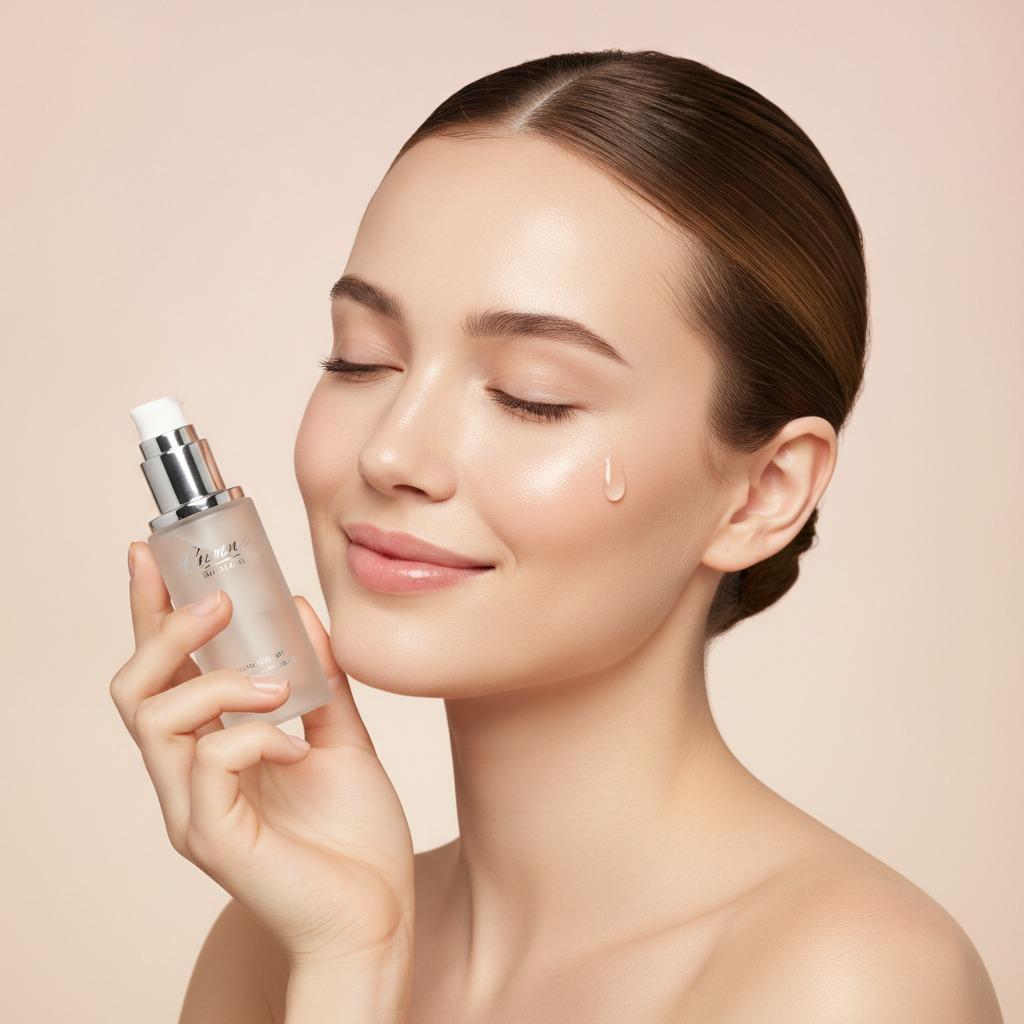
Custom skin care formulations represent a personalized approach within skin care manufacturing, allowing brands to tailor products to specific skin types and concerns. This process begins with in-depth research into ingredients like alpha hydroxy acids (AHAs), hyaluronic acid, and ceramides, which are blended to address issues such as dryness, irritation, or uneven texture. For instance, a custom formulation might incorporate seven types of hyaluronic acid for multi-level hydration, ensuring the skin remains plump and supple throughout the day. Manufacturers skilled in custom skin care formulations prioritize compatibility testing to avoid adverse reactions, making these products ideal for sensitive skin. This customization not only enhances product performance but also fosters brand loyalty by offering solutions that feel uniquely suited to individual users.
In the competitive beauty market, custom skin care formulations enable smaller brands to stand out by avoiding generic mass-produced items. The manufacturing process involves precise measurements and controlled environments to maintain ingredient integrity, often resulting in lightweight yet potent products like exfoliating body lotions. By focusing on natural elements such as Centella Asiatica for soothing effects, these formulations reduce redness and promote a calm, radiant complexion. Skin care manufacturing experts emphasize the importance of fragrance-free options, which cater to those preferring clean, minimalist routines. Ultimately, custom skin care formulations bridge the gap between science and personalization, delivering targeted care that elevates everyday skincare practices.
Exploring Private Label Skin Care Opportunities
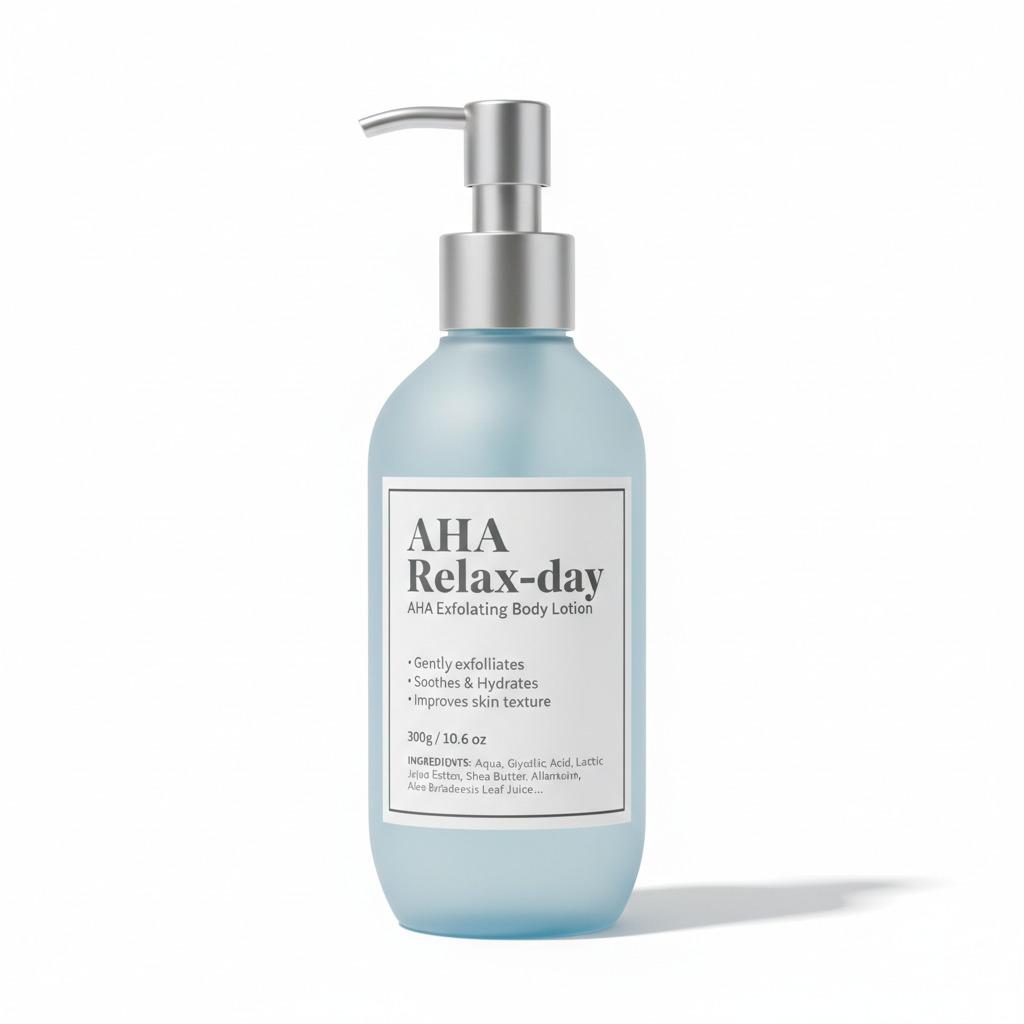
Private label skin care has revolutionized how businesses enter the beauty sector, providing ready-to-brand products through established skin care manufacturing channels. This model allows companies to offer exclusive lines without the overhead of in-house production, focusing instead on marketing and distribution. In private label skin care, manufacturers produce items like a 300g pump bottle of AHA-infused lotion, complete with features such as gentle exfoliation and barrier-strengthening ceramides. The process ensures high standards, with products free from artificial fragrances to appeal to health-conscious consumers seeking natural efficacy.
One key advantage of private label skin care is its scalability, enabling brands to launch diverse ranges quickly. For example, a product enriched with AHA for dead skin cell removal can be customized for body or facial use, providing deep hydration while nourishing the skin. Skin care manufacturing in this context often includes rigorous quality checks to guarantee consistency across batches, from the soothing properties of Centella Asiatica to the moisture-locking benefits of multiple hyaluronic acid variants. Businesses benefit from this approach by accessing professional-grade formulations that align with market trends, such as clean beauty and sustainability. Private label skin care thus empowers entrepreneurs to build credible product lines, enhancing their market presence with reliable, innovative offerings.
Key Ingredients and Their Impact in Skin Care Manufacturing
Central to effective skin care manufacturing are powerhouse ingredients that deliver tangible benefits. AHAs, for instance, gently exfoliate to reveal smoother skin, while ceramide 3 fortifies the skin's natural barrier against environmental stressors. In custom skin care formulations, combining these with seven types of hyaluronic acid ensures comprehensive hydration, addressing dryness at various skin layers. Private label skin care products often highlight such blends, making them suitable for daily use without causing irritation. Manufacturers must balance these elements to create stable, non-greasy textures that absorb quickly, promoting a luxurious feel.
Centella Asiatica stands out in skin care manufacturing for its calming effects, reducing inflammation and supporting skin repair. This ingredient is particularly valuable in private label skin care, where versatility allows for adaptations in lotions or creams. The absence of artificial fragrances in these formulations underscores a commitment to purity, appealing to sensitive users who prioritize gentle care. Through meticulous skin care manufacturing processes, these ingredients are sourced ethically and integrated to maximize potency, resulting in products that enhance texture and glow. Understanding these components helps consumers appreciate the science behind their routines, fostering informed choices in a crowded market.
Trends and Innovations in Skin Care Manufacturing
The landscape of skin care manufacturing is evolving with trends toward sustainability and personalization. Custom skin care formulations are increasingly incorporating eco-friendly packaging and biodegradable ingredients, aligning with global consumer demands for responsible beauty. Private label skin care benefits from this shift, as manufacturers offer turnkey solutions with green certifications, ensuring brands can market ethically without additional investment. Innovations like pump dispensers for convenient application further enhance user experience, preventing waste while delivering precise doses of nourishing lotions.
Technological advancements in skin care manufacturing, such as automated blending systems, improve precision in custom skin care formulations, reducing variability and enhancing safety. This allows for the creation of multi-functional products, like an exfoliating lotion that hydrates and soothes simultaneously. Private label skin care leverages these innovations to provide high-end options at accessible prices, democratizing quality skincare. As the industry grows, focusing on inclusivity—catering to diverse skin tones and types—remains paramount. Skin care manufacturing thus continues to innovate, blending tradition with modernity to meet evolving needs.
Choosing the Right Skin Care Manufacturing Partner
Selecting a reliable partner for skin care manufacturing is essential for success in custom skin care formulations and private label skin care. Look for facilities with proven expertise in handling sensitive ingredients like AHAs and ceramides, ensuring product stability and efficacy. A strong partner will offer flexibility in private label skin care, from formulation tweaks to packaging design, allowing brands to create distinctive lines. Transparency in sourcing, such as using sustainably harvested Centella Asiatica, builds trust and supports clean beauty claims.
Moreover, evaluate the manufacturer's capacity for scalability in skin care manufacturing to handle growing demands without compromising quality. Features like fragrance-free options and multi-hyaluronic acid complexes should be standard in their offerings, catering to modern preferences. By partnering with experts in custom skin care formulations, businesses can accelerate time-to-market and focus on consumer engagement. In the end, a thoughtful choice in skin care manufacturing not only elevates product quality but also drives long-term growth in the competitive beauty arena.
Conclusion: Elevating Your Skincare Game
Skin care manufacturing forms the backbone of innovative beauty products, with custom skin care formulations and private label skin care opening doors for creativity and accessibility. Whether through gentle AHA exfoliation or deep hydration from hyaluronic acid, these processes ensure effective, user-friendly solutions. As the industry advances, embracing quality and personalization will define success, helping consumers achieve healthier, more radiant skin daily.