Understanding Skin Care Manufacturing
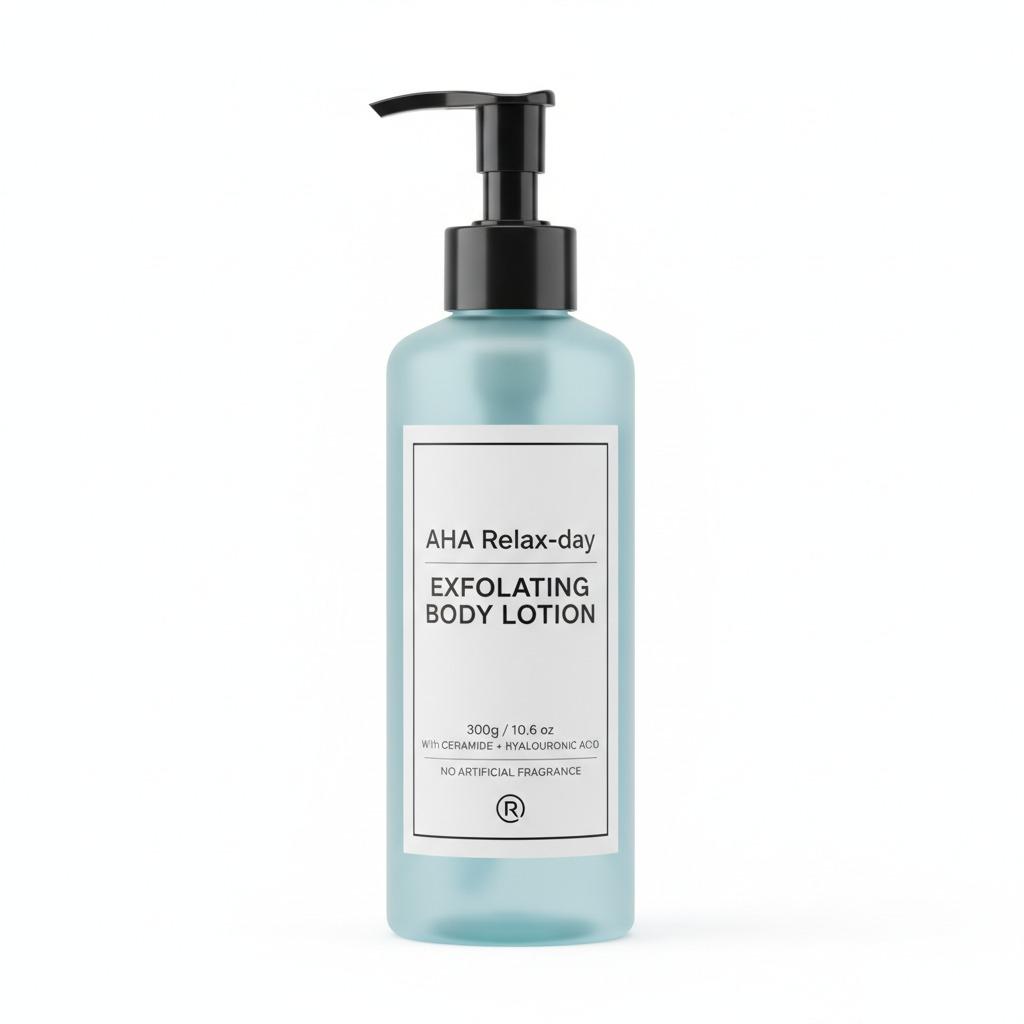
Skin care manufacturing is a dynamic field that combines scientific innovation with consumer needs to produce high-quality products for daily use. At its core, skin care manufacturing involves the creation of formulations that address various skin concerns, from hydration to exfoliation. This process ensures that products like lotions, creams, and serums are safe, effective, and tailored to diverse skin types. As the demand for personalized beauty solutions grows, skin care manufacturing has evolved to incorporate advanced ingredients and sustainable practices, making it essential for brands aiming to stand out in a competitive market.
Custom Skin Care Formulations: Tailoring Products to Perfection
Custom skin care formulations represent a personalized approach within skin care manufacturing, allowing brands to develop unique products that meet specific consumer requirements. This method involves collaborating with manufacturers to blend ingredients like alpha hydroxy acids (AHA), hyaluronic acid, and centella asiatica for targeted benefits. For instance, a custom formulation might focus on gentle exfoliation while providing deep hydration, ensuring the end product aligns with a brand's vision. In skin care manufacturing, this customization not only enhances product efficacy but also builds customer loyalty by offering solutions for sensitive skin, anti-aging, or environmental protection.
The process of creating custom skin care formulations begins with research and development, where experts analyze skin biology and ingredient interactions. Manufacturers then scale these formulations for production, adhering to strict quality controls to maintain consistency. This tailored strategy is particularly valuable for emerging beauty lines, as it reduces the risk of generic products failing to resonate with users. By integrating feedback loops, skin care manufacturing ensures that custom formulations evolve with market trends, such as the rise in clean beauty and vegan options.
Private Label Skin Care: A Strategic Manufacturing Partnership
Private label skin care offers businesses an efficient entry into the beauty industry through skin care manufacturing partnerships. This model allows companies to brand their own products without investing in full-scale production facilities, leveraging the expertise of established manufacturers. In private label skin care, the focus is on ready-to-launch formulations that can be customized minimally, such as adjusting packaging or adding specific active ingredients like ceramides for skin barrier support.
One key advantage of private label skin care within skin care manufacturing is cost-effectiveness and speed to market. Brands can select from pre-formulated bases and apply their logos, enabling quick adaptation to consumer preferences. For example, a private label product might feature a lotion with seven types of hyaluronic acid for multi-level hydration, packaged in an elegant, user-friendly design. This approach minimizes R&D expenses while ensuring high standards, as manufacturers handle compliance with regulations like FDA guidelines or EU cosmetic standards.
In the broader context of skin care manufacturing, private label skin care fosters innovation by allowing scalability. Small businesses can start with limited runs and expand as demand grows, benefiting from the manufacturer's supply chain efficiencies. This partnership model also supports sustainability efforts, with many manufacturers offering eco-friendly packaging options to appeal to environmentally conscious consumers.
The Science Behind Effective Skin Care Manufacturing
Effective skin care manufacturing relies on a deep understanding of dermatological science to deliver products that truly benefit the skin. Ingredients like AHA are pivotal for exfoliation, removing dead cells to promote cell turnover and reveal smoother texture. Combined with soothing agents such as centella asiatica, these formulations address irritation, making them suitable for daily use without compromising skin health.
Hydration is another cornerstone, achieved through variations of hyaluronic acid that penetrate different skin layers. In skin care manufacturing, balancing these elements ensures products not only moisturize but also repair the skin barrier with components like ceramide 3. This scientific precision prevents common issues like dryness or sensitivity, resulting in formulations that are both functional and luxurious.
Manufacturers also prioritize clean production, avoiding artificial fragrances to cater to allergy-prone users. The result is a pure, effective product line that enhances user confidence in their skin care routine. Custom skin care formulations and private label options amplify this science, allowing for niche targeting, such as body lotions designed for professional rituals.
Trends Shaping the Future of Skin Care Manufacturing
The future of skin care manufacturing is influenced by emerging trends like personalization and sustainability. Consumers increasingly seek custom skin care formulations that integrate biotech ingredients for enhanced results, pushing manufacturers to invest in R&D. Private label skin care is adapting by offering modular designs, where brands can mix and match features like pump dispensers or natural extracts.
Sustainability is paramount, with skin care manufacturing shifting toward recyclable packaging and ethically sourced materials. This not only meets regulatory demands but also aligns with global consumer values. As technology advances, AI-driven analytics in production optimize custom skin care formulations, predicting trends and improving efficiency.
Moreover, global supply chains are strengthening, enabling faster delivery of private label skin care products worldwide. This interconnectedness ensures that innovations in skin care manufacturing reach diverse markets, from Asia to Europe, promoting inclusive beauty standards.
Choosing the Right Partner for Skin Care Manufacturing
Selecting a reliable partner in skin care manufacturing is crucial for success. Look for facilities with certifications ensuring quality, such as ISO standards, and a proven track record in custom skin care formulations. A strong partner will offer end-to-end services, from ideation to packaging, for private label skin care needs.
Evaluate their capacity for innovation, like incorporating multi-functional ingredients for comprehensive skin benefits. Communication and flexibility are key, allowing adjustments to meet brand-specific goals. Ultimately, a trusted manufacturer transforms concepts into market-ready products, driving growth in the competitive beauty sector.
In conclusion, skin care manufacturing, through avenues like custom skin care formulations and private label skin care, empowers brands to deliver exceptional products. By prioritizing science, sustainability, and partnerships, the industry continues to nurture healthier, more radiant skin for all.