Exploring the World of Skin Care Manufacturing
In the dynamic industry of skin care manufacturing, innovation and quality drive the creation of products that meet diverse consumer needs. This sector encompasses everything from developing custom skin care formulations to producing private label skin care lines that brands can market as their own. As consumer demand for effective, natural skincare solutions grows, skin care manufacturing has become a cornerstone for businesses aiming to deliver reliable results. Companies in this field leverage advanced technology and scientific expertise to craft products that enhance skin health, addressing issues like hydration, exfoliation, and barrier protection.
The Importance of Custom Skin Care Formulations
Custom skin care formulations allow manufacturers to tailor products to specific requirements, ensuring they align with a brand's vision or target audience's preferences. In skin care manufacturing, this process involves selecting premium ingredients like Alpha Hydroxy Acids (AHAs) for gentle exfoliation, multiple forms of Hyaluronic Acid for deep hydration, and Ceramide 3 to fortify the skin's natural barrier. For instance, a custom formulation might incorporate Centella Asiatica to soothe irritation, making it ideal for sensitive skin types. This personalized approach not only boosts product efficacy but also differentiates brands in a competitive market. Manufacturers often collaborate closely with clients to refine these formulas, conducting rigorous testing to guarantee safety and performance. By focusing on clean, fragrance-free compositions, custom skin care formulations prioritize consumer well-being, avoiding artificial additives that could cause reactions. As trends shift toward sustainable and inclusive skincare, skin care manufacturing evolves to include eco-friendly sourcing and diverse shade ranges, ensuring broad accessibility.
Private Label Skin Care: A Strategic Manufacturing Solution
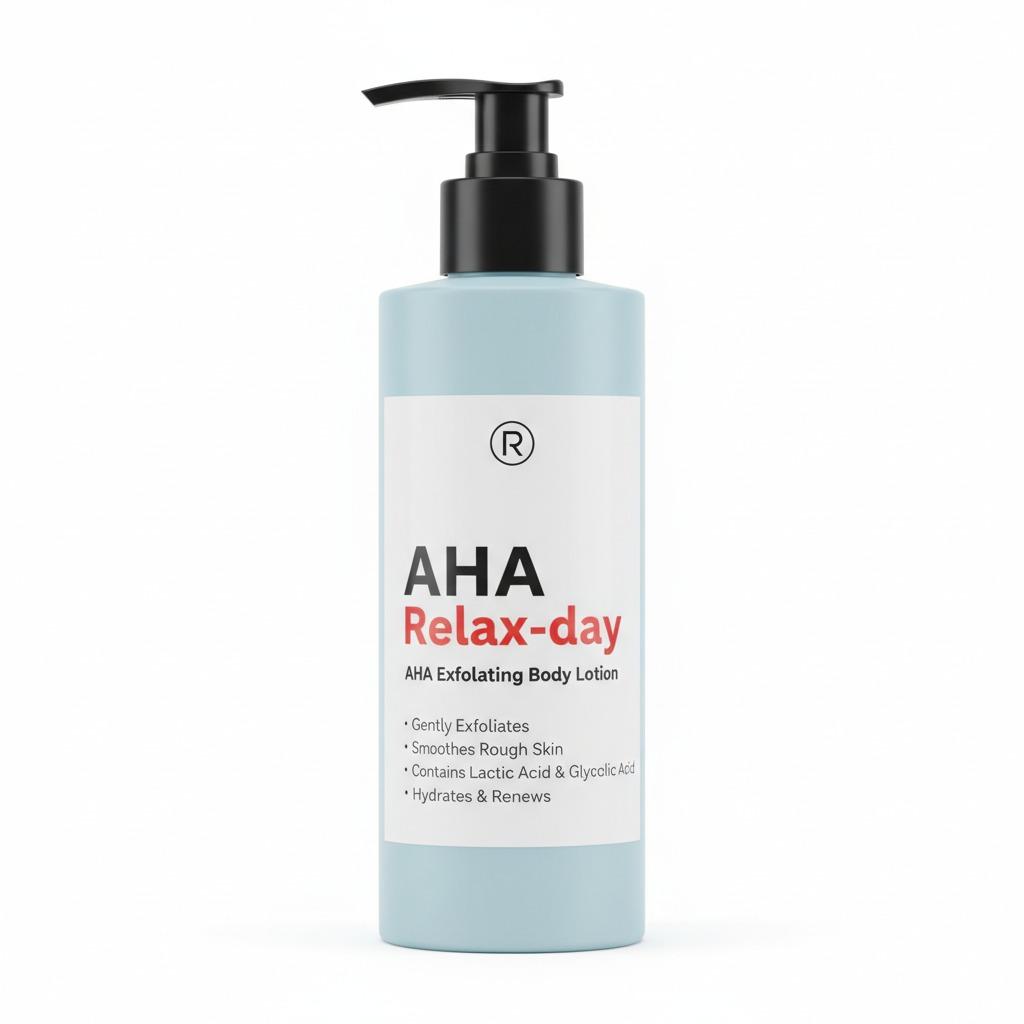
Private label skin care represents a cost-effective entry into the market, where manufacturers produce ready-to-brand products under a client's label. This model streamlines skin care manufacturing by allowing companies to focus on marketing rather than development from scratch. A prime example is an exfoliating body lotion featuring AHAs for smooth, bright skin, combined with seven types of Hyaluronic Acid for plumpness and Ceramide 3 for protection. Packaged in a 300g pump bottle with an elegant aqua design, such products offer a luxurious feel without compromising on functionality. In private label skin care, manufacturers ensure compliance with international standards, incorporating calming agents like Centella Asiatica to support skin repair. This approach benefits startups and established brands alike, providing scalable production with high-quality outputs. Skin care manufacturing in this context emphasizes efficiency, from formulation to packaging, enabling quick market launches. Brands can customize elements like bottle size or labeling to match their identity, enhancing perceived value and consumer trust.
Key Ingredients and Processes in Skin Care Manufacturing
At the heart of skin care manufacturing lies the careful selection of ingredients that deliver tangible benefits. AHAs, for example, promote exfoliation by removing dead skin cells, revealing a radiant complexion. When paired with Hyaluronic Acid in various molecular weights, products achieve multi-level hydration, penetrating deep into the skin layers. Ceramide 3 plays a vital role in maintaining the moisture barrier, essential for preventing dryness and environmental damage. Centella Asiatica adds a soothing element, aiding in the reduction of inflammation and accelerating healing. In the manufacturing process, these components are blended under controlled conditions to preserve potency, often using professional-grade equipment for uniformity. Skin care manufacturing also involves stability testing to ensure shelf-life integrity, especially for lotion formats that require emulsification for smooth texture. Free from artificial fragrances, these formulations cater to sensitive users, aligning with clean beauty movements. As the industry advances, incorporating biotechnology enhances ingredient bioavailability, making products more effective and appealing to health-conscious consumers.
Trends Shaping the Future of Skin Care Manufacturing
Emerging trends in skin care manufacturing highlight sustainability and personalization. With growing awareness of environmental impact, manufacturers are adopting biodegradable packaging and ethically sourced materials for custom skin care formulations. Private label skin care lines are increasingly incorporating active botanicals and microbiome-friendly ingredients to support overall skin ecosystem balance. Innovations like smart delivery systems allow for targeted application, improving results for concerns such as uneven tone or dullness. Skin care manufacturing is also embracing inclusivity, developing products suitable for all skin types and tones. Digital tools now aid in virtual formulation design, speeding up the transition from concept to production. As global markets expand, certifications like ISO standards ensure quality consistency across borders. This forward-thinking approach not only meets current demands but anticipates future needs, such as anti-aging solutions with peptide complexes. Ultimately, skin care manufacturing continues to innovate, providing brands with tools to foster customer loyalty through superior, science-backed products.
Choosing the Right Partner for Skin Care Manufacturing
Selecting a reliable partner in skin care manufacturing is crucial for success. Look for facilities with proven expertise in custom skin care formulations and private label skin care, offering end-to-end services from R&D to distribution. A strong partner will provide transparency in ingredient sourcing and adhere to stringent quality controls, ensuring products like AHA-infused lotions meet safety regulations. Evaluate their capacity for scalability, especially for growing brands needing consistent supply. In this field, collaboration yields the best results, with manufacturers offering insights into market trends and formulation tweaks. By partnering with experienced providers, businesses can launch innovative lines efficiently, focusing on what they do best—connecting with consumers. This strategic alliance drives growth, turning visionary ideas into marketable realities that enhance everyday skincare routines.