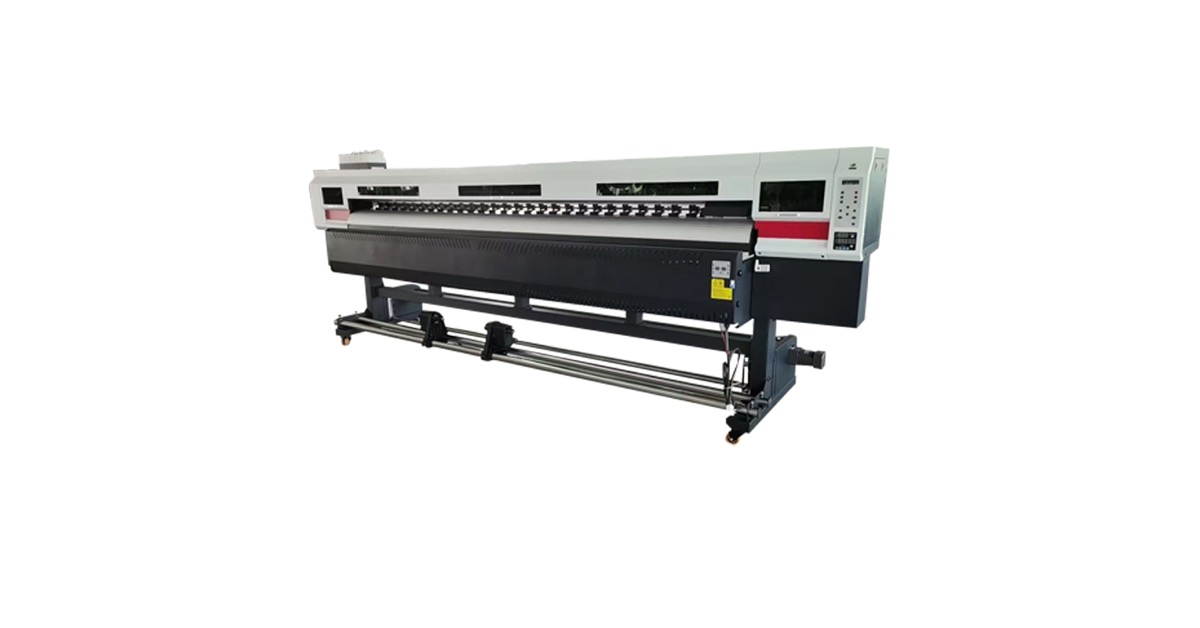
QUICK ANSWER
Here is the short version. A DTF printer machine factory deserves a place on the shortlist only after the whole line has run together in front of you: printer, white ink, moving film, powder, dryer, RIP, and all. Send awkward artwork, not the supplier's favorite demo. Keep the film and pressed shirts. Before any balance payment, the serial number should match a nozzle check, inspection sheet, packing photos, training plan, and a spare-parts quote.
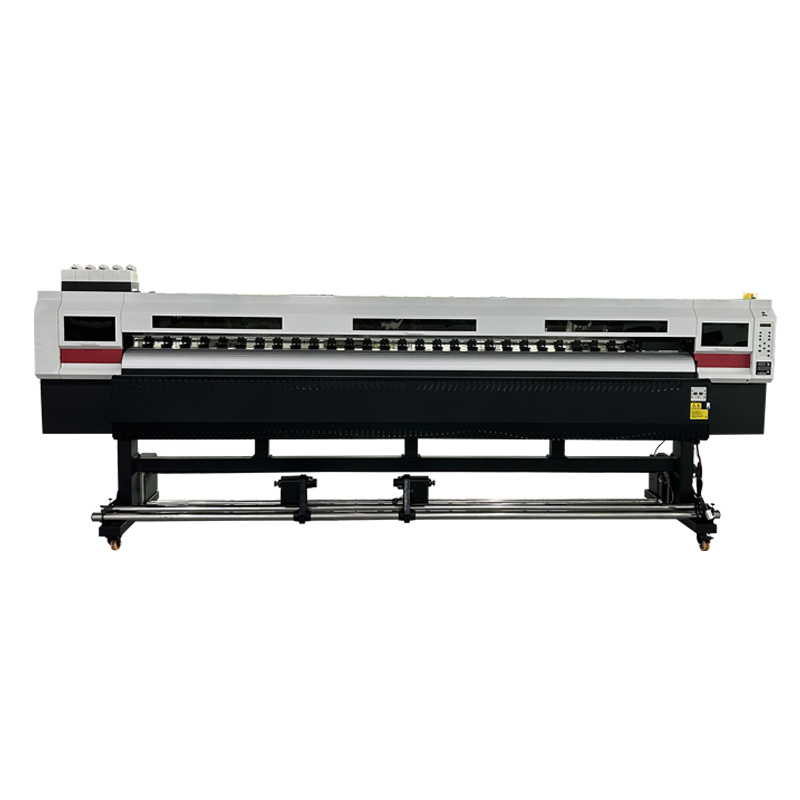
The Buying Advice That Matters Most
- Buy a verified process, not an advertised top speed. Stable white ink, accurate film feeding, controlled curing, and repeatable output matter more than a best-case number.
- Test the complete line. The printer, powder application, dryer, film, ink, adhesive powder, RIP software, and heat-press recipe must be evaluated together.
- Use your own difficult artwork. Tiny text, gradients, fine lines, skin tones, large white areas, and repeated graphics expose problems that a polished demo file can hide.
- Ask for evidence tied to your serial number. A nozzle check, inspection sheet, print video, approved sample, accessory list, and packing photos are stronger than a generic certificate.
- Compare total cost of ownership. Consumables, cleaning, operator time, maintenance, freight, duties, spares, and downtime may outweigh a small difference in purchase price.
- Validate before private labeling. OEM colors and logos are useful only after the base configuration passes an agreed acceptance test.
What This Guide Covers
- What a DTF printer machine factory actually does
- Factory, integrator, or trading company
- How to write a useful requirement sheet
- Nine technical checks before ordering
- How to estimate real production capacity
- A practical factory acceptance test
- Quality control and production traceability
- Total cost of ownership
- OEM and ODM customization
- Shipping, installation, and first production
- Supplier scorecard
- Frequently asked questions
What Is a DTF Printer Machine Factory?
A DTF printer machine factory builds or integrates direct-to-film printing equipment used to produce heat-applied graphics for garments and other suitable textiles. In a typical workflow, color and white ink are printed onto PET film, adhesive powder is applied to the wet ink, the transfer is cured, and a heat press bonds the design to the garment.
The word factory deserves scrutiny. One supplier may machine frames, assemble fluid and electrical systems, develop firmware, configure the RIP, and test a complete line. Another may buy an established platform, integrate selected components, and add valuable calibration and service. A third may simply resell equipment. The second business can still be an excellent partner. What matters is knowing who controls each failure point and who is accountable after shipment.
A serious manufacturer should understand more than the printer cabinet. DTF output is a chain. Ink chemistry affects nozzles and color. Film coating affects ink holdout and release. Powder type, powder coverage, dryer airflow, dwell time, heat-press temperature, pressure, fabric, and operator technique all influence the transferred result. A weak link can appear as banding, grainy gradients, poor white coverage, color shift, oily residue, rough hand feel, edge lift, weak stretch, or disappointing wash durability.
This guide therefore treats the machine as a production system. It deliberately avoids invented performance figures. The correct speed, printhead arrangement, power requirement, and maintenance schedule must come from the configuration you actually test and order.
Factory, Integrator, or Trading Company: Which Is Better?
| Question | Manufacturing or integration team | General reseller |
|---|---|---|
| Who controls the configuration? | Can normally identify the approved bill of materials and explain component choices. | May depend on an upstream source and a catalog description. |
| Who diagnoses faults? | Can connect symptoms to mechanics, ink delivery, electronics, software, media, or heat. | May relay questions between the buyer and another company. |
| Can changes be validated? | Can assess whether a new board, printhead, ink path, heater, or enclosure needs retesting. | May focus mainly on cosmetic private labeling. |
| What evidence is available? | Assembly records, calibration results, continuous tests, serial records, and packing checks may be available. | Evidence may begin only when the finished machine reaches the seller. |
| Can the supplier provide local help? | Technical depth may be strong, but time-zone and language coverage vary. | A good reseller may provide faster local installation and on-site service. |
Do not reject a trading company merely because it does not own a factory. Local inventory, trained technicians, native-language support, and stocked spares have real value. Instead, map the responsibility chain. Your quotation, contract, warranty, remote-support channel, and acceptance standard should identify the organization that can actually correct a machine-level problem.
During a video tour, ask the host to move in real time from component storage to assembly, calibration, running machines, quality records, and packing. Ask an unexpected but reasonable question about the machine being shown. A prerecorded montage is useful marketing; it is not the same as a live audit.
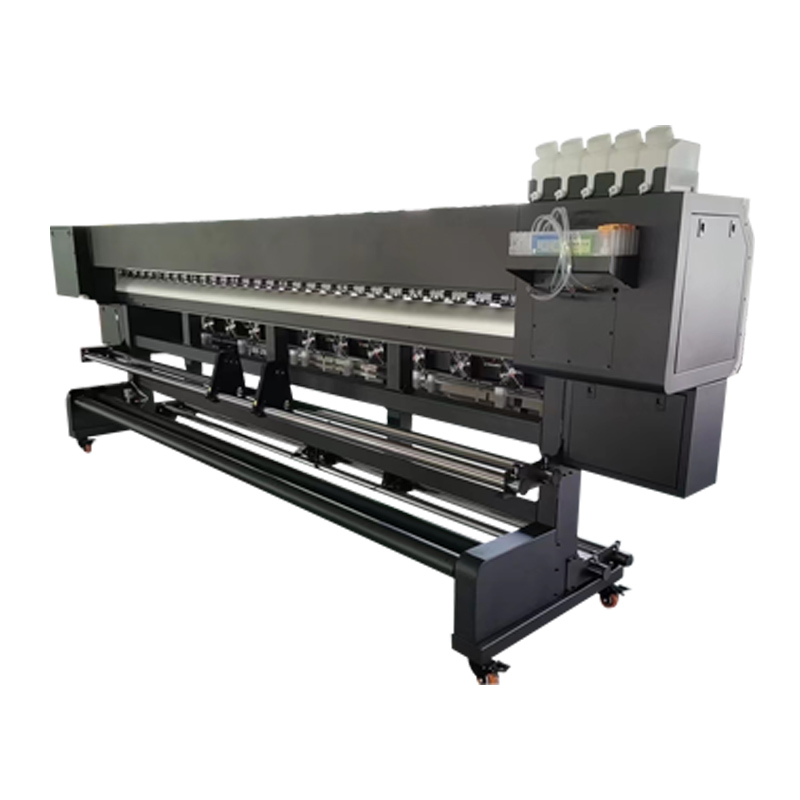
Start With a Requirement Sheet, Not a Model Name
Buyers often begin with a familiar width or printhead label. That is convenient, but it puts the supplier's catalog before the buyer's workload. A better request for quotation begins with jobs, shifts, floor space, staff, and service conditions. Two shops buying the same nominal width may need very different systems.
I use one brief for every supplier. It keeps the comparison honest, and it quickly shows who has read the job rather than matched a keyword to a model. Put these details in that brief:
- Typical and maximum artwork dimensions
- Average daily sellable area or number of transfers, plus seasonal peak
- Job mix, including small logos, gang sheets, photographs, and large solid areas
- Garment materials, colors, and products you expect to decorate
- Hours per shift, shifts per day, and planned days per week
- Operator experience and the number of people available for maintenance
- Available floor space, door size, floor loading, power, grounding, ventilation, temperature, and humidity
- Computer environment, network restrictions, RIP preference, and language needs
- Destination country, delivery address type, unloading equipment, and installation plan
- OEM branding, documentation, packaging, training, and spare-parts requirements
Ask the factory to state its assumptions next to the recommended configuration. For example, does its output estimate include artwork processing, loading a new roll, nozzle checks, cleaning, powder refills, job changes, and routine pauses? If a capacity claim counts only carriage movement during one ideal pass mode, it is not a production plan.
Nine Technical Checks Before Choosing a DTF Printer Machine Factory
1. White-Ink Circulation, Agitation, and Standby Care
White pigment settles; everyone in the room should begin from that fact. Have the engineer point to the tank, follow the tubes, and show where circulation stops and returns. When the explanation reaches filters, dampers, pressure, the cap, and the wiper, pause and ask what the operator actually touches. This five-minute walk around the ink path tells you more than a feature icon.
Next, ask for three separate routines: tonight's shutdown, the weekly clean, and preparation for a long holiday. Some steps will be automatic. Others will not. A cold start after genuine idle time is worth watching. “Never clogs” usually means the conversation has skipped ink quality, room conditions, operator habits, and idle duration.
2. Film Feeding, Tracking, and Tension
Media transport affects registration, feed-step accuracy, banding, wrinkles, head strikes, powder application, and take-up. Inspect the roll holders, pinch system, feed controls, tension adjustment, dancer or buffer arrangement, and connection to the powder shaker. Ask how the operator corrects skew and how much film is normally consumed during loading and alignment.
A short sample near the center of the film proves very little. Request a long repeated job using much of the working width. Mark the film edge at the start and watch whether tracking changes through the run. If the machine is offered in multiple widths, do not assume that a result from the narrow version proves the wide version.
3. Printhead Protection and Maintainability
Confirm the exact printhead arrangement in the final quotation, but evaluate the surrounding design as carefully as the head label. Ask about carriage height, anti-collision measures, capping alignment, wiper access, head cleaning, static control, fluid leaks, and the procedure for replacing a damper, cable, pump, or head.
Now look at access. A cheap damper is no longer cheap when half a carriage must come apart to reach it. Let a technician replace one ordinary service item while the camera keeps rolling. Count the tools, note the time, and see whether calibration is needed afterward. The exploded drawing can wait.
4. Powder Application and Recovery
Powder problems are easiest to see on unfriendly artwork. Put a row of small isolated marks beside a dense block, then repeat it across the width. After shaking, hold the film at an angle. Bare specks, little piles, a dusty halo, or powder riding into the oven all deserve a note.
Recovery is a separate conversation. Watch how used powder leaves the machine, whether it is screened, where it is kept, and how the tray is cleaned without filling the room with dust. The maker should name its extraction and personal-protection assumptions. Those are not universal. US buyers can begin with the OSHA ventilation standard, but the installed line, actual chemicals, and local rules still need a site assessment.
5. Curing Temperature, Airflow, and Dwell Time
The number glowing on the dryer is a setpoint, not proof of what the film saw. Find the sensor. Ask when it was checked. Then compare pieces taken from the left edge, the middle, and the right while recording film speed. A cold corner and a hot center can share the same display. Airflow and time in the heated zone matter as much as the number on the panel.
Inspect for incomplete melt, scorching, deformation, surface oil, odor, inconsistent gloss, or tack after cooling. Ask for the validated starting recipe for the offered ink-film-powder combination. Treat it as a controlled starting point, not a universal setting: workshop conditions and materials can require adjustment.
6. RIP Software, Licensing, and Color Workflow
Open the RIP and its license screen; do not settle for a logo in the brochure. Write down the exact version, license owner, operating system, computer specification, and update arrangement. Try the white-layer controls and nesting with your file. If variable data or spot colors are part of the work, test them now. Finally, pretend the controller computer died on a Monday morning: who restores the license, from what backup, and how long should that take?
Ask for a repeatable color workflow rather than a promise of "bright colors." Profiles, ink limits, white underbase, linearization, artwork color space, display conditions, and the garment all affect the result. The International Color Consortium explains the role of ICC profiles; the factory should explain how profiles are created, named, backed up, and matched to a defined print mode and consumable set.
7. Electrical Design, Safety, and Destination Requirements
Put the destination voltage and frequency on the first page of the order. From there, an electrician needs real numbers: each load, starting current where relevant, plug or hard-wire connection, grounding, and circuit protection. Test the emergency stop. Check labels inside the cabinet and obtain the drawing that matches this build. Printer, oven, extraction, compressor, heat press, and computer may not belong on one circuit; have the factory state its arrangement so the local designer can review it.
Do not accept a logo on a label as proof of regulatory compliance. Ask which exact model and configuration a document covers, which organization issued or tested it, and whether the company name matches the contracting party. European buyers can review the European Commission's CE marking guidance, while buyers in every market should have local specialists confirm the rules that apply to their installation.
8. Training, Documentation, and Remote Diagnosis
Training should look like a shift, not a sales presentation. Let the future operator start the printer, read a nozzle check, load film, prepare one file, run it, cure and press it, shut down, and deal with a planted minor fault. Decide in advance who attends. Also pin down the format: live or recorded, remote or on site, which language, and whether a local technician is involved.
Documentation should match the purchased model. Useful material includes a quick-start checklist, maintenance schedule, error-code guide, wiring diagram, fluid diagram, calibration guide, parts catalog, consumable settings, and backup procedure. Test the support channel before ordering: send a technical question, record the response time, and judge whether the answer is actionable.
9. Spare Parts, Warranty, and Change Control
Build the spares kit from consequences, not from a catalog bundle. For each likely wear or failure item, record its part number, replacement trigger, price, delivery time, tools, and instructions. Filters and dampers may belong in the drawer; a particular sensor, pump, cable, fuse, cap, or length of tubing may matter more on this build. Make the factory mark which missing part would stop the line. Generic kits often contain plenty of inexpensive pieces and omit that one.
Read the warranty line by line. It should define the covered machine, duration, excluded consumables, diagnosis process, parts cost, shipping responsibility, labor, evidence required, and treatment of unauthorized ink or modifications. Ask how the factory notifies customers when a component or firmware version changes between orders.
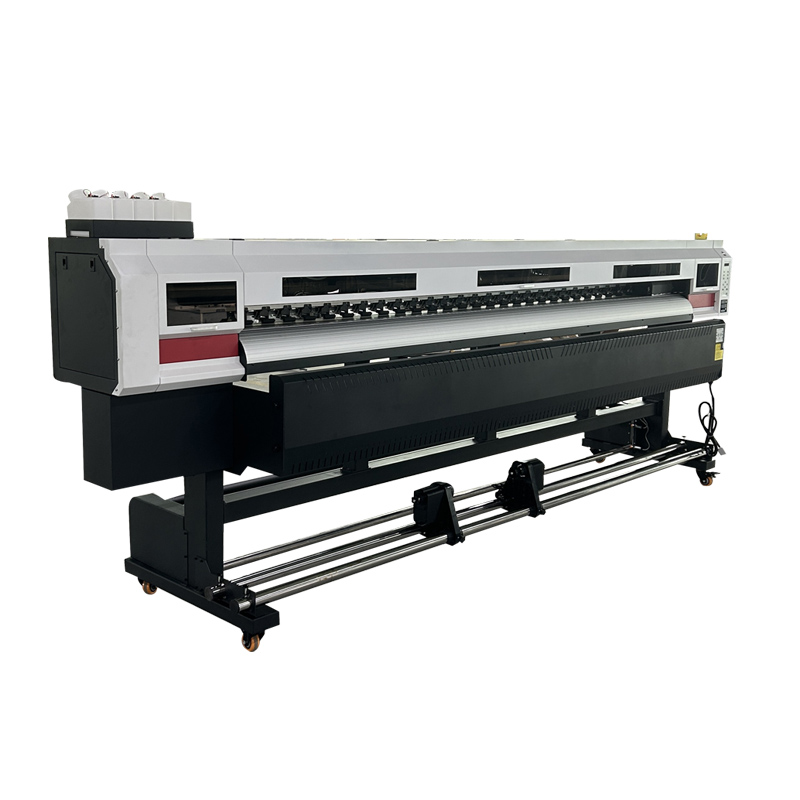
How to Estimate Real DTF Production Capacity
Headline square-meter speed is not the same as daily sellable output. Start with a witnessed job. Record the usable printed area and the time from a ready file to cured film. Include loading, RIP processing, routine checks, pauses, job spacing, film waste, powder handling, and any reprints.
A useful planning model is:
Sellable daily output = witnessed good output per hour x scheduled production hours x realistic utilization x first-pass yield.
Do not copy utilization or yield from a brochure. Measure them during a pilot or use conservative internal assumptions and improve them with data. If a line produces 20 units of good output during a witnessed hour, eight scheduled hours do not automatically produce 160. Changeovers, cleaning, breaks, material refills, maintenance, and rejected work reduce the total.
Ask the factory to run at least three job patterns: a dense gang sheet, many small separated logos, and artwork with broad white and color coverage. Record film used, ink reported by the RIP if available, powder consumed, operator actions, cleaning events, rejected area, and final transferable area. This produces a capacity figure that purchasing, operations, and finance can all inspect.
For two or three shifts, the second shift is the revealing one. Who cleans before handover? When is ink topped up? Does the dryer drift after hours of heat? Put the weekly maintenance stop on the proposed schedule and see what output remains. A salesperson may answer with peak speed. An operations-minded factory will start talking about the handover.
A Practical Factory Acceptance Test Before Shipment
Write the factory acceptance test, or FAT, while the order is still being negotiated. Attach the artwork. Name the ink, film, powder, print mode, run length, records, tolerances, and what happens after a miss. The factory then knows the finish line before it builds the machine, and the buyer does not invent new standards on inspection day.
- Identify the machine. Record model, serial number, approved configuration, voltage, included software, accessories, and consumable batch details.
- Inspect initial condition. Check assembly, panels, guards, cables, tubing, labels, fasteners, emergency controls, grounding provisions, and evidence of leaks or transport damage.
- Record a nozzle check. Capture the starting result and the routine used to reach it. Do not begin only after unexplained repeated cleaning.
- Print buyer-supplied artwork. Include tiny positive and reversed text, lines, gradients, neutral tones, skin tones, saturated colors, left-center-right targets, large white areas, and repeated elements.
- Run continuously. Choose a duration and film length meaningful for the intended workload. Watch feed tracking, ink stability, warnings, operator interventions, and the printer-shaker connection.
- Inspect powder and curing. Compare left, center, and right. Record controller settings, environmental conditions if available, and any adjustments.
- Transfer samples. Use agreed garments and heat-press settings. Label every sample with the test mode and materials.
- Check repeatability. Compare the beginning, middle, and end of the run, not just the best piece selected by the operator.
- Record shutdown and restart. Verify the documented routine and, when practical, an agreed restart check after idle time.
- Close the evidence pack. Collect videos, nozzle checks, samples, settings, inspection sheet, software details, accessory checklist, serial photographs, and packing records.
Wash and stretch testing needs a written method: fabric, detergent, temperature, cycle, drying method, number of cycles, and pass criteria. A photo captioned "washed many times" cannot be compared or repeated. If durability is important to a customer contract, use a qualified laboratory or an agreed internal test rather than an informal claim.
What a Strong DTF Printer Factory Quality Process Looks Like
A transparent factory should be able to connect each machine to a controlled sequence:
- Requirement review: application, width, output target, destination, voltage, software, documentation, and OEM scope.
- Configuration lock: approved component list, versions, accessories, and permitted substitutions.
- Incoming inspection: checks appropriate to frames, rails, motors, boards, pumps, heaters, sensors, and other purchased parts.
- Mechanical assembly: frame, rail, carriage, feed, tension, take-up, guards, and service access.
- Electrical and fluid inspection: wiring, grounding provisions, tanks, tubes, filters, pumps, pressure behavior, and leak check.
- Calibration: nozzle condition, feed step, bidirectional alignment, head relationships, white underbase, and color workflow.
- Complete-line test: printer, shaker, dryer, software, and validated consumables operating together.
- Final acceptance: agreed artwork, continuous run, samples, settings, records, and named sign-off.
- Packing verification: fluid preparation, carriage restraint, accessory count, corrosion and moisture protection, crate condition, labels, photographs, and dimensions.
- Installation handoff: manuals, backups, training, support contacts, spares, startup materials, and site-readiness checklist.
For repeat or distributor orders, ask the manufacturer to keep an approved reference configuration. If a component changes, require notice, compatibility review, and appropriate revalidation. Consistency between the sample machine and the tenth machine is more important than a showroom unit that cannot be reproduced.
Calculate Total Cost of Ownership Before Comparing Quotes
The machine price is only one line. Build a cost model for the period your business uses for investment decisions. Keep supplier claims separate from your own assumptions.
| Cost group | Items to include | Evidence to request |
|---|---|---|
| Purchase and delivery | Printer, shaker, dryer, computer, RIP, extraction, heat press, crate, freight, insurance, duties, broker, unloading. | Itemized quotation, packing dimensions, weights, trade term, excluded charges. |
| Installation | Site preparation, power, ventilation, technician travel, tools, training, startup waste. | Site checklist, installation scope, number of training hours, responsibility matrix. |
| Production materials | Ink, film, powder, cleaning fluid, wipes, garment samples, packaging, and process waste. | Witnessed consumption under the selected mode and artwork coverage. |
| Labor | Artwork preparation, operation, maintenance, quality checks, pressing, packing, and rework. | Observed operator tasks and time study. |
| Maintenance | Filters, dampers, pumps, wipers, capping parts, sensors, cables, scheduled service, and technician time. | Maintenance schedule, part numbers, current prices, replacement instructions. |
| Downtime risk | Lost contribution, expedited freight, outsourced transfers, diagnosis time, and requalification. | Stocked-spares list, response coverage, escalation process, local-service options. |
Clarify the trade term in writing. The official ICC Incoterms rules define how common trade terms allocate delivery tasks, costs, and risks. They do not replace a clear contract, product specification, insurance decision, or local import advice.
Normalize quotes before ranking suppliers. If one price includes a licensed RIP, starter ink, installation, a voltage-specific dryer, and critical spares while another does not, the totals are not comparable. Add missing items, use the same currency date, document tax treatment, and show a range for uncertain costs.
OEM and ODM DTF Printer Options: What to Customize First
Private-label programs commonly request logos, enclosure colors, labels, cartons, manuals, control-panel language, voltage and plug options, consumable kits, dealer training, software packages, and spare-parts bundles. These changes can support a distributor's market position, but they should follow technical validation.
Divide requests into three groups:
- Cosmetic: logo, color, labels, and outer packaging. Confirm artwork, placement, color reference, durability, and approval sample.
- Commercial: model name, manuals, warranty card, dealer kit, spare-parts packaging, and training. Confirm language ownership, revision control, support roles, and minimum quantities.
- Engineering: printhead arrangement, electronics, firmware, ink path, heaters, airflow, frame, software integration, or safety functions. Require engineering review and a new acceptance plan.
Document brand ownership, tooling ownership, approved suppliers, confidentiality needs, sample approval, bill-of-material control, change notification, defect handling, territory if applicable, support responsibilities, and end-of-life parts planning. A new shell around an unstable line is not an OEM program; it is a branded support problem.
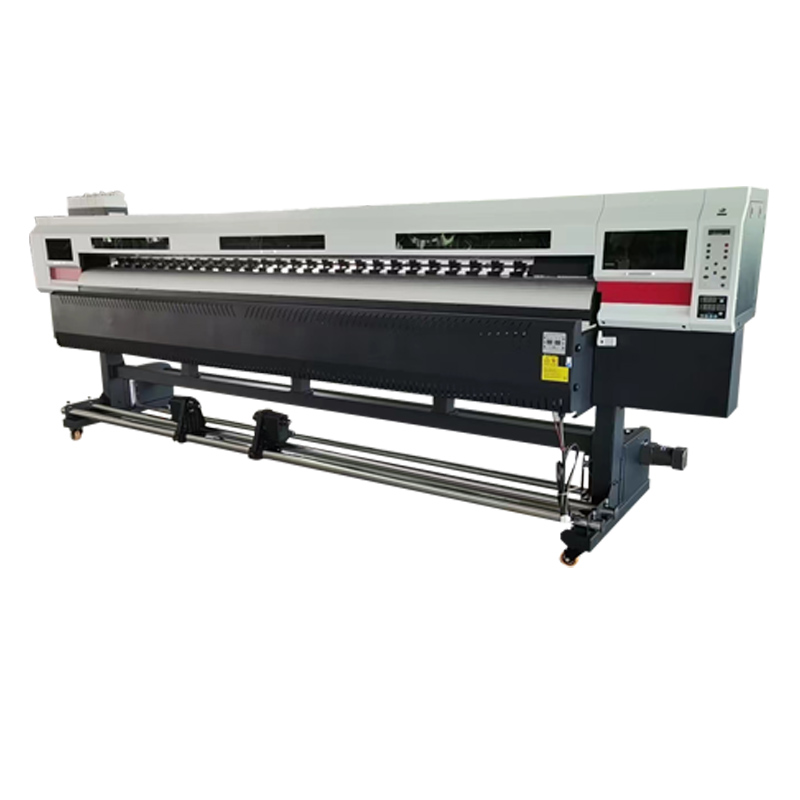
Shipping, Installation, and the First Week of Production
Large-format printing equipment can leave the factory in good condition and arrive unable to run because the site, crate, handling, or handoff was poorly planned. Before shipment, confirm packed dimensions and weight, lifting points, center of gravity if relevant, forklift or crane needs, doorway and elevator limits, delivery appointment, indoor route, and disposal of the crate.
Ask how the ink system and printheads are prepared for transport. Confirm carriage restraints, moving-part locks, moisture protection, shock or tilt indicators if used, accessory location, crate markings, and the photo record. Match the packing list to the quotation before the crate closes.
Use a site-readiness call several days before arrival. The room, circuits, grounding, extraction, network, computer, climate, tables, heat press, consumables, cleaning materials, tools, and trained operators should be ready. Do not schedule customer orders against an installation date without time for calibration, training, trial work, and correction.
During the first week, record the same small set of data every shift: starting nozzle check, environment, print mode, materials, printed area, good output, reprints, cleaning events, errors, powder and curing settings, pressing recipe, and operator notes. Review the data with the factory. Early records make remote diagnosis faster and establish a baseline for preventive maintenance.
DTF Printer Supplier Scorecard
Use a weighted scorecard after all candidates perform the same test. Adjust weights to your business, but do not let purchase price erase a failed technical gate.
| Category | Suggested weight | What earns a high score |
|---|---|---|
| Demonstrated output and repeatability | 25% | Your artwork, meaningful continuous run, beginning-to-end consistency, labeled transferred samples. |
| Complete-line engineering | 15% | Clear control of white ink, feeding, powder, curing, software, and material interaction. |
| Quality control and traceability | 15% | Serial-specific records, configuration lock, calibration evidence, final inspection, and packing proof. |
| Service and training | 15% | Named support path, useful documents, tested response, operator training, and escalation process. |
| Parts and maintenance | 10% | Model-specific spare list, transparent prices, lead times, replacement procedures, and change control. |
| Commercial clarity | 10% | Itemized scope, warranty details, payment milestones, trade term, and documented exclusions. |
| Total cost of ownership | 10% | Competitive normalized cost with assumptions supported by witnessed data. |
Set pass/fail gates before scoring. Examples include a successful continuous run, acceptable transferred samples, confirmed destination voltage, a legitimate software license, an agreed warranty path, and required compliance documentation. A supplier that fails a mandatory gate should not win because it discounts the machine.
Common Red Flags When Comparing DTF Printer Manufacturers
- The discussion returns to maximum speed whenever you ask about stable sellable output.
- The quotation does not lock the printhead arrangement, board, dryer, software license, or included accessories.
- White-ink maintenance is described as unnecessary.
- The printer and powder shaker are demonstrated separately, or only a short center print is shown.
- The supplier will not run buyer-supplied artwork or send labeled physical samples.
- Test results belong to a different width, configuration, ink set, or print mode.
- Certificates cannot be matched to the company, model, configuration, issuing body, or current scope.
- RIP ownership, license replacement, and computer recovery are unclear.
- The warranty says "one year" but does not define parts, labor, freight, exclusions, evidence, or response path.
- OEM branding is offered before the base machine has passed acceptance.
- Payment recipient, contracting company, factory evidence, and export documents use unexplained different names.
- No critical-spares recommendation or configuration-change policy is available.
Information to Send for an Accurate DTF Printer Quote
A precise inquiry receives a more useful answer. Send the following in one package:
- Target artwork width and typical gang-sheet dimensions
- Expected sellable output per day and seasonal peak
- Artwork examples, including one difficult acceptance file
- Main garment materials and product types
- Shift plan and operator experience
- Destination, voltage, frequency, and facility constraints
- Required printer, shaker, dryer, RIP, computer, extraction, heat press, and starter materials
- Installation, language, time-zone, and training expectations
- OEM or ODM scope and expected order quantity
- Required shipping term, documentation, warranty, spare parts, and target delivery window
Invite the supplier to challenge the requirement. A competent team may show that a different width, workflow, or degree of automation fits better. Ask it to explain the trade-off in output, labor, maintenance, risk, and cost, then verify the recommendation in the acceptance test.
Frequently Asked Questions
What comes from a DTF printer machine factory?
Usually the offer starts with a direct-to-film printer. It may extend to the shaker and oven, heat press, RIP and computer, film, ink, powder, spare parts, training, or a private-label package. Draw a line through the offer and ask who builds, integrates, buys, tests, and supports each item. The answer is more useful than the word “factory.”
How can I verify that a DTF printer supplier is a real factory?
Arrange a live tour covering storage, assembly, calibration, running equipment, quality records, and packing. Match the legal company across the quotation, payment instructions, business documents, certificates, and shipment. A real facility is only the first check; you still need to verify the exact machine and support process.
What should I test before buying a DTF printer?
Use your own artwork in a meaningful continuous run. Check starting and ending nozzle condition, feed tracking, white-underbase alignment, fine detail, gradients, broad coverage, powder uniformity, curing, transfer release, hand feel, stretch, repeatability, and a documented wash method.
Which DTF printer is best for a startup?
The best startup machine is the smallest complete workflow that meets realistic demand and can be maintained by the available team. Favor straightforward operation, strong training, accessible service, a legitimate RIP, manageable site requirements, and stocked critical spares over unused peak capacity.
Is a wider DTF printer always more productive?
No. Width can improve nesting and support larger jobs, but productivity also depends on print mode, artwork coverage, film handling, shaker and dryer capacity, changeovers, maintenance, operator workflow, and first-pass yield. Compare witnessed sellable output for your job mix.
How do I compare DTF printer speed claims?
Ask each supplier to use the same artwork, width, quality target, print mode, materials, and run duration. Measure cured, transferable good area from a ready file, including normal interventions. A speed without pass count, resolution, coverage, white settings, and quality criteria is not comparable.
How important is the powder shaker and dryer?
They are part of the production line, not optional background equipment. Uneven powder removal or inconsistent curing can ruin an otherwise good print. Test the offered printer, shaker, dryer, and consumables together across the working width.
Can a DTF printer factory provide OEM or private-label equipment?
Many can provide logos, colors, labels, manuals, packaging, voltage options, dealer kits, and other branding. Any change to electronics, firmware, ink delivery, heating, airflow, printheads, or structure should receive engineering review and renewed validation.
What spare parts should I buy with a DTF machine?
Start with downtime and courier lead time. A filter or damper might be an obvious shelf item, but one small sensor, pump, cap, fuse, cable, or fitted tube can be the real production stopper. Use the purchased bill of materials to lock part numbers and quantities; model-family names are not precise enough.
Does buying direct always save money?
Not once the machine is running. A distributor's margin can buy a faster installation, parts on a nearby shelf, same-language calls, and a technician who can visit. Direct supply can still be the better deal. Put both offers into the same cost model and charge a realistic amount for waiting days; the cheaper choice may change.
Which buying mistake causes the most trouble later?
It is the cheerful approval based on a brochure, one perfect transfer, and an attractive number at the bottom of the quote. None of those show an ordinary production hour. Give every candidate the same awkward file and the same acceptance sheet, then keep the records. Comparisons become much less emotional.
The Decision Comes Down to Proof
The best DTF printer machine factory for your business is the supplier that can translate a real workload into a controlled configuration, prove the complete line with your artwork, document what it tested, train the people who will run it, and keep the machine supportable after the crate arrives.
Begin with the work the shop must ship and the conditions on its floor. Walk the ink path. Watch the film. Inspect powder and cured transfers from across the width. Open the software and electrical cabinet. Have the operator train, and price the parts that keep a shift alive. Put those observations into the FAT and the ownership-cost sheet. Branding and the final price discussion come after that work.
To prepare a configuration review, send your target print width, daily sellable output, sample artwork, garment applications, shift plan, destination country, voltage, facility limits, support needs, and OEM scope. Review available equipment through the product catalog, learn more about the supplier on the About Us page, or use the contact page to request a live test and itemized quotation.
Editorial note: This buyer's guide was updated in August 2026. It is a procurement and verification framework, not a substitute for model-specific manuals, material safety data, local electrical or ventilation design, import advice, or independent compliance assessment.