What a skin care factory really does, and why buyers should care
A skin care factory is more than a place where lotion gets poured into a bottle. For sourcing managers, product teams, and brand owners, it is the point where formulation, packaging, filling, quality checks, and commercial reality all meet. If any one of those pieces is weak, the final product can look fine on a sample table and still create trouble later: leakage, inconsistent fill, unstable texture, or a brand presentation that does not match the price point.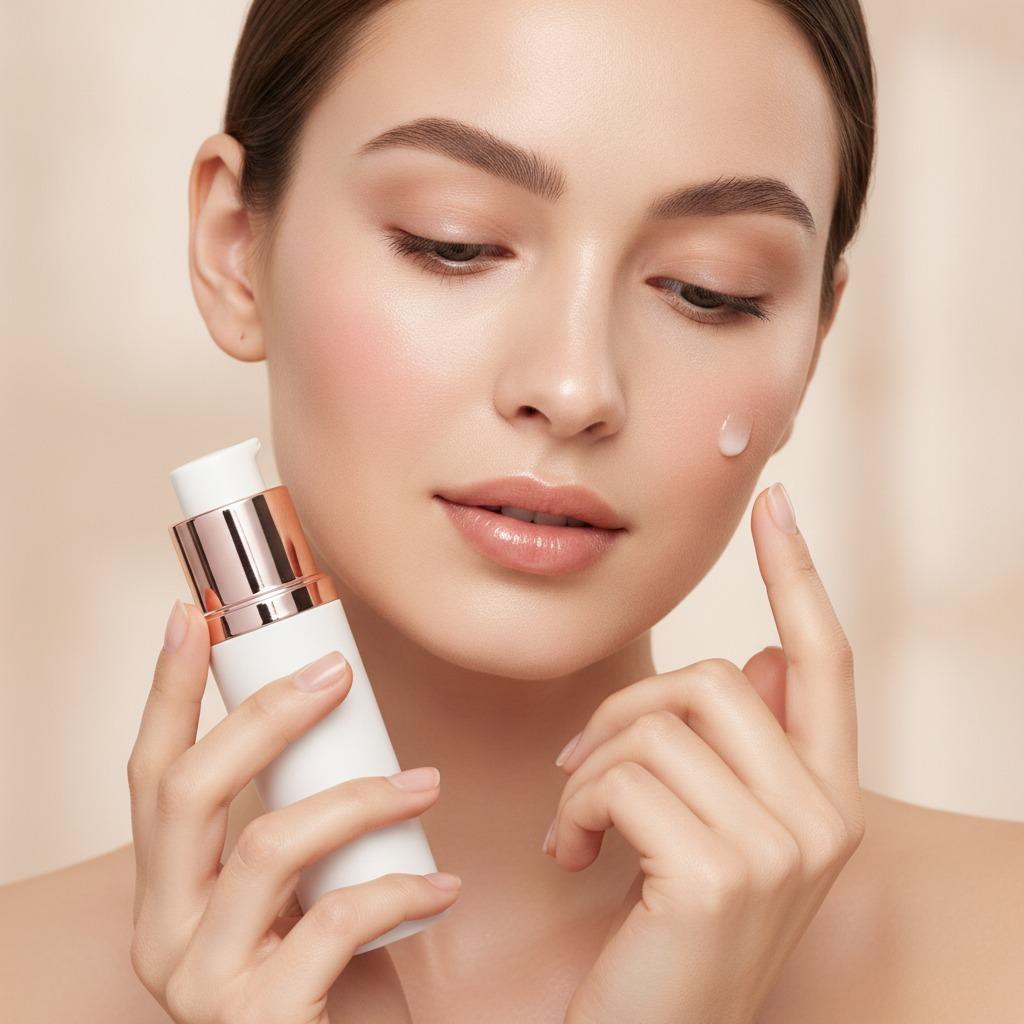
That is why buyers comparing skin care manufacturing partners need to think beyond the label artwork and the container shape. The real decision is whether the factory can turn a concept into a repeatable product that ships cleanly, looks good on shelf, and fits the market you are trying to serve. In practice, that means understanding the product format, the packaging choice, the production workflow, and the limits of what can be promised before testing.
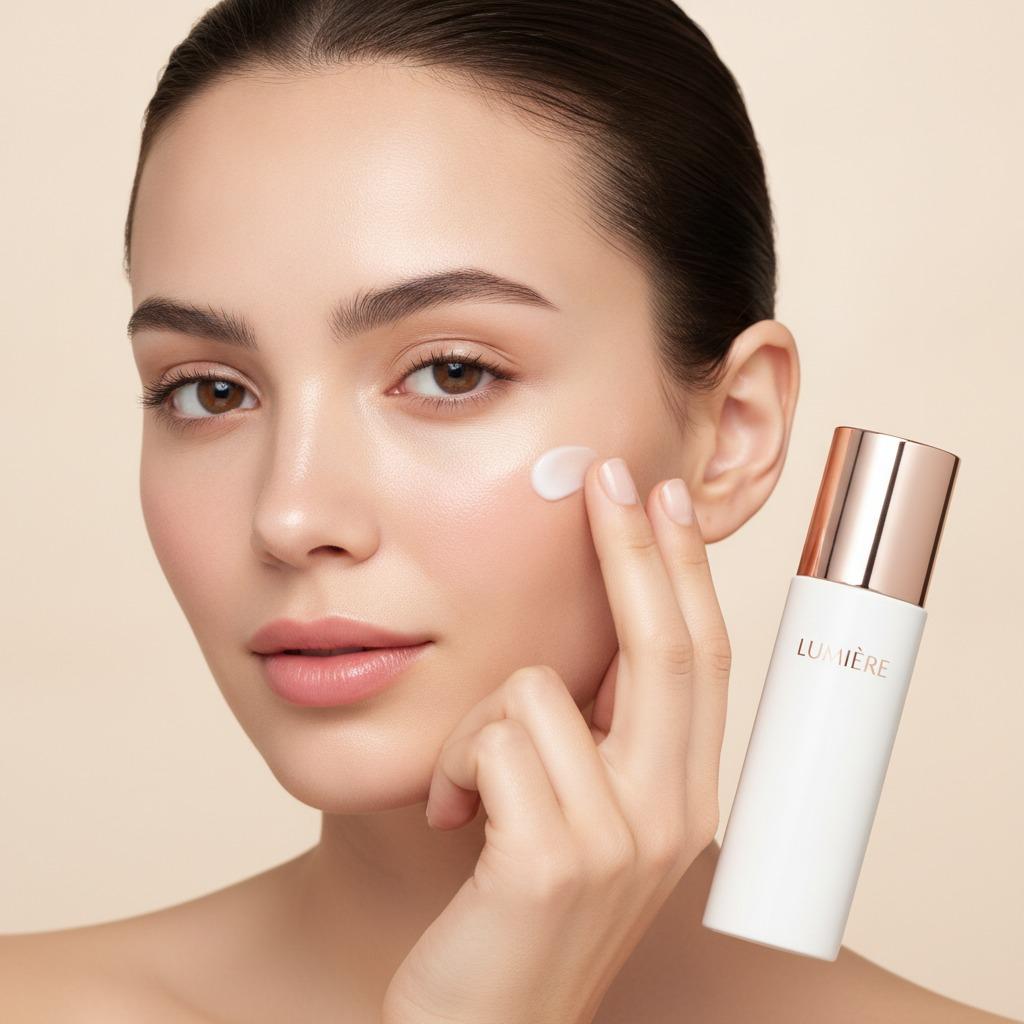
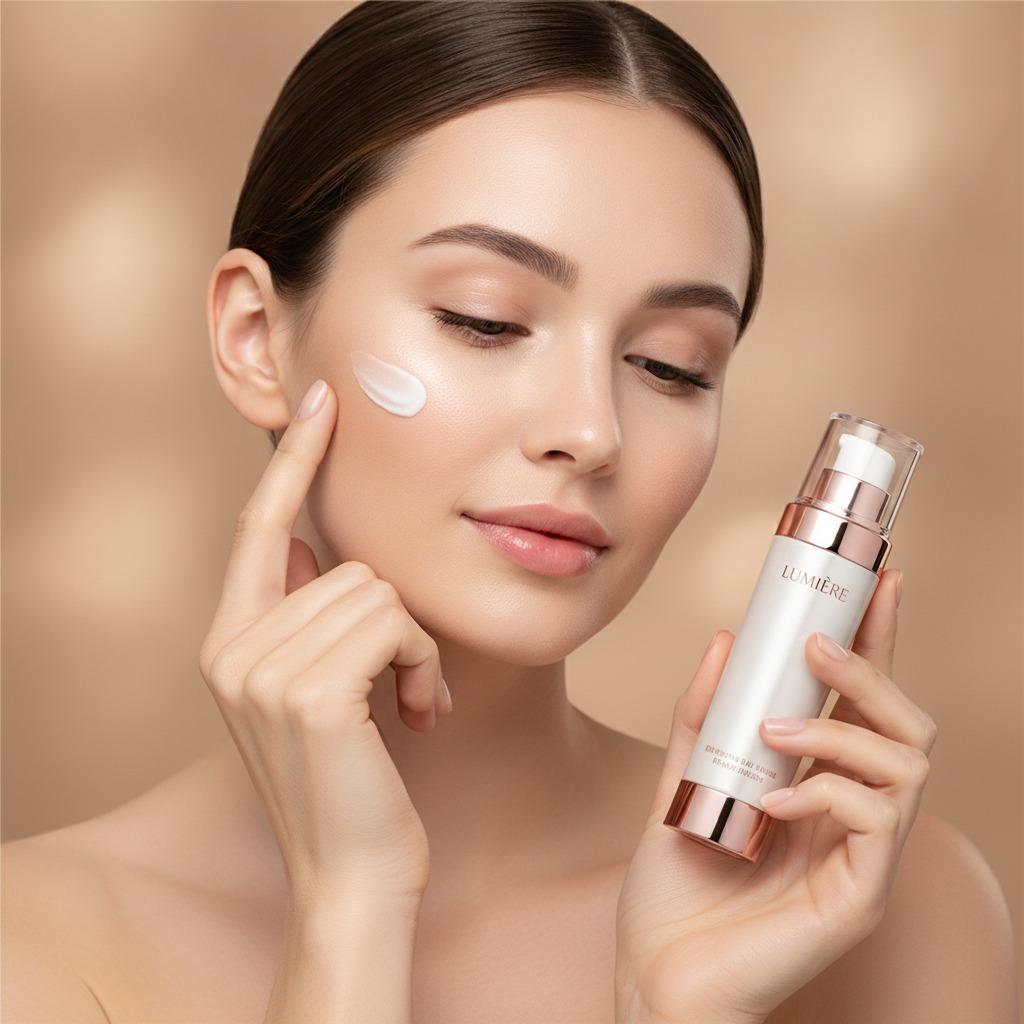
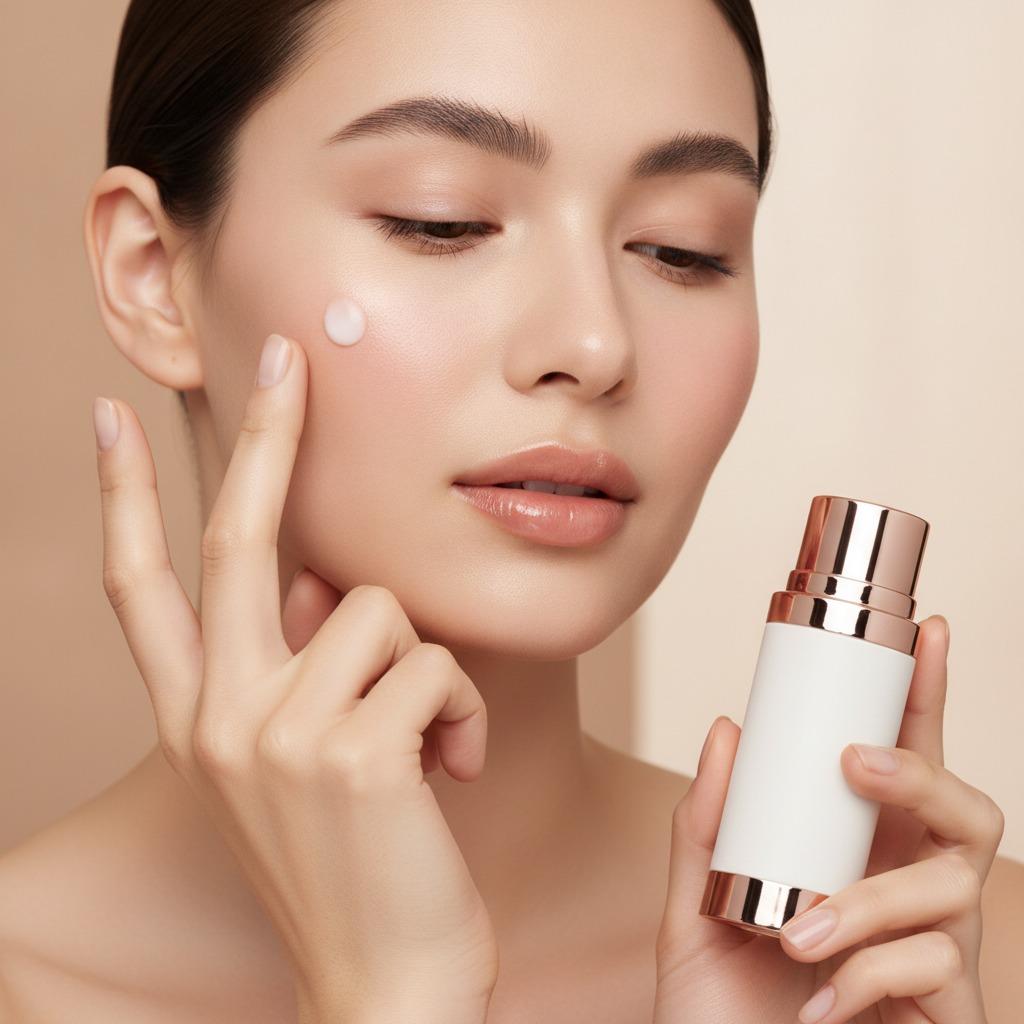
The example product data provided here points to a facial skincare item in a white cylindrical bottle with a metallic rose-gold accent, likely positioned for daily facial use. It may be a cream, serum, or moisturizer. The exact formula is not supplied, so it would be careless to guess. But from a manufacturing point of view, the packaging and presentation already tell you something useful: this is the kind of consumer cosmetic item where appearance, hygiene, and dispensing consistency matter as much as the formula itself.
Quick reference: what buyers usually need from a cosmetic factory
When people search for a cosmetic factory, they are often trying to solve one of a few practical problems:
They need a private-label facial product that can be launched quickly.
They need packaging that looks premium without blowing up the budget.
They need a supplier who can manage filling, sealing, and packaging at commercial scale.
They need enough flexibility to serve retail, spa, salon, or promotional channels.
That sounds simple, but each goal pulls the factory in a slightly different direction. A retail brand usually cares about shelf impact and consistency. A spa customer may care more about tactile experience and presentation. A private-label buyer wants speed and predictable MOQ structure, though exact minimums are not provided here and should be confirmed directly with the supplier.
The product format matters more than many buyers expect
Facial skincare is not one category. Even without an exact formula, the packaging clues in the provided product information suggest a single-product facial application item, likely intended for direct skin contact and routine use. That creates a few manufacturing considerations.
Tube, bottle, or jar: each one changes the factory work
A cylindrical bottle with a clean, glossy finish and decorative ring suggests a product aimed at controlled presentation. If the closure is a pump or lotion-style top, the factory has to think about dispensing repeatability, air exposure, and leakage prevention. If it is a twist cap or other opaque closure, the filling line and sealing method change again. The closure type is not clear from the image, so this should be verified early in development rather than assumed.
For facial products, the package is not just decoration. It affects oxidation risk, user hygiene, shipping performance, and how premium the item feels in hand. A minimalist white container with metallic accents can help a product read as clean and modern, but only if the printing, coating, and assembly are stable across a production run.
What happens inside skin care manufacturing
At a basic level, skin care manufacturing usually follows a sequence: raw material handling, formulation or blending, quality checks, filling, capping, labeling, and packing. The exact process depends on whether the factory is making a cream, lotion, serum, or essence, and those distinctions matter. A light serum behaves very differently from a dense moisturizer, especially during filling and when the product sits in storage.
For buyers, this is where a lot of hidden risk lives. A factory might be perfectly capable of producing one format but less suited to another. A thick face cream may require different mixing equipment and filling control than a thinner liquid. A glossy cosmetic bottle with metallic trim may also require careful handling to avoid scuffing, because packaging defects show quickly on a minimalist design.
A cautious buyer should ask not just whether the factory can make the product, but how it handles viscosity control, batch consistency, and packaging compatibility. Those questions are boring until a shipment arrives with half the line scratched or the product settling differently from sample to sample.
How to judge a skin care factory without getting lost in marketing language
Most supplier pages use the same broad claims. Better to focus on the parts that affect commercial outcomes.
First, look at manufacturing discipline. In the company information supplied here, SAIL is described as a manufacturer with advanced production capability, modern facilities, and an annual capacity of over 30,000 units. That information appears to relate to heavy-duty transport products, not cosmetics, so it should not be carried over to skincare sourcing. Still, the underlying lesson is useful: capacity, inspection discipline, and global supply experience matter in any manufacturing environment.
Second, look at customization. A skin care factory offering OEM/ODM services can be valuable if you need private-label packaging or market-specific design changes. But customization is only useful when the factory can keep the process controlled. A buyer should ask whether the same line can handle different containers, labels, and closures without quality drift.
Third, look at export readiness. Brands selling across regions need suppliers who can work with documentation, shipping coordination, and packaging standards that suit international trade. Exact certification claims should only be accepted when verified, but the general point stands: export experience reduces friction.
Common mistakes buyers make with cosmetic factory sourcing
One common mistake is treating packaging as an afterthought. In facial skincare, packaging is often part of the product value. A bottle that looks too generic can make a private-label item seem lower grade than it really is. On the other hand, a fancy container that is difficult to fill or prone to damage can create expensive headaches.
Another mistake is assuming that a sample proves production readiness. A hand sample or a photo can hide issues like label alignment, cap torque inconsistency, or the way a product behaves in hot transit conditions. For a beauty brand, those are not small problems. They affect returns, reputation, and reorder confidence.
A third mistake is failing to pin down the exact product type. “Face cream,” “serum,” and “moisturizer” are not interchangeable in manufacturing terms. If the formula is not clearly defined, the factory may quote one process while the buyer expects another.
Buyer questions worth asking early
Before moving into development, it helps to ask direct questions that force clarity:
What exact product type is being made: cream, serum, lotion, or essence?
What packaging formats are supported for this line?
Can the factory manage the decorative two-tone bottle style shown in the product reference?
What kind of filling and capping process is used?
How does the factory control batch consistency and appearance?
Can the design be adapted for retail, spa, or private-label use?
These are not flashy questions, but they are the ones that save time. A supplier who answers clearly is usually easier to work with than one who keeps speaking in generalities.
What the visible packaging tells us about market positioning
The provided product image suggests a clean, portable, hand-held facial skincare item with a premium decorative accent. That kind of look is often used for products that need to feel approachable but still polished enough for retail display or gift sets. The vertical branding is minimal, which can suit modern beauty positioning, especially for brands that want a neat shelf profile rather than loud graphics.
For sourcing teams, this is useful because packaging style affects both manufacturing and channel fit. A minimalist bottle may work well for e-commerce or salon resale, where close-up photography and perceived quality matter. It may also be attractive for sample programs or private-label launches where the buyer wants a simple, elegant first impression without committing to a complex container system.
Practical advice for product teams and sourcing managers
If you are evaluating a skin care factory, keep the conversation grounded in the actual product and the actual market.
Do not let packaging mockups outrun formulation reality.
Do not approve a container style until you understand how it will be filled and sealed.
Do not use vague skincare language where the factory needs a defined product category.
Do not assume a pretty sample will behave the same in a full run.
A good supplier relationship in skin care manufacturing is usually built on documentation, sample comparison, and small but honest corrections. That is less glamorous than a branding deck, but it is what keeps a launch from slipping.
FAQ for first-time buyers
Is a cosmetic factory the same as a skin care factory?
Often the terms overlap. A cosmetic factory may produce skincare, makeup, or both. The important thing is not the label, but whether the factory has experience with your specific product format.
Can the provided product be identified exactly from the image?
No. The image suggests a facial skincare product in a cylindrical bottle, but the exact formula, closure mechanism, and volume are not confirmed.
What should I confirm before requesting a quote?
Product type, packaging format, target market, artwork needs, and whether the supplier supports OEM/ODM customization.
A sensible next step
If you are sourcing a facial skincare item or comparing skin care factory options, start with a clear product brief rather than a loose idea. Define the format, the look, the channel, and the must-have packaging details. Then ask the supplier to explain how they would manufacture and package that exact item, not a generic beauty product.
That approach will tell you much more than a polished brochure. It also gives you a better shot at getting a facial skincare product that looks right, fills consistently, and makes commercial sense once it leaves the factory floor.