What Buyers Usually Mean When They Search for a Skin Care Factory
When sourcing teams search for a skin care factory, they are rarely looking for a pretty bottle and a slogan. They are trying to find a manufacturing partner that can turn a formula, a package concept, and a sales plan into something repeatable at scale. That matters whether the final item is a facial cream, a serum, or another daily-use complexion product sold through retail shelves, e-commerce, or spa channels.
The search often starts with a simple commercial question: can this supplier make the product safely, consistently, and in a package that still looks good after shipping, storage, and handling? In skin care manufacturing, those details decide far more than most brand decks admit. A container that looks elegant in a studio shot can be awkward on a production line. A formula that feels rich in a sample can become unstable if the packaging is wrong. Buyers need a factory that understands both sides of the equation.
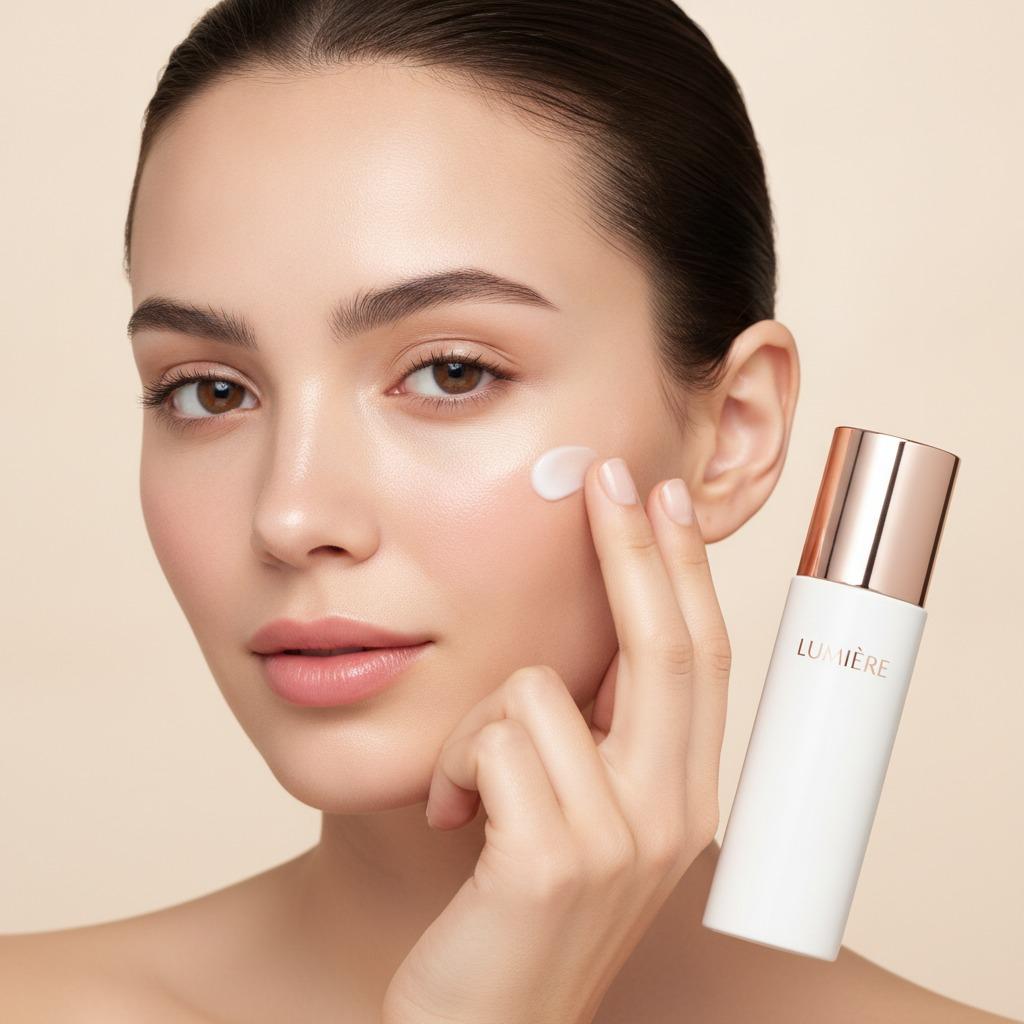
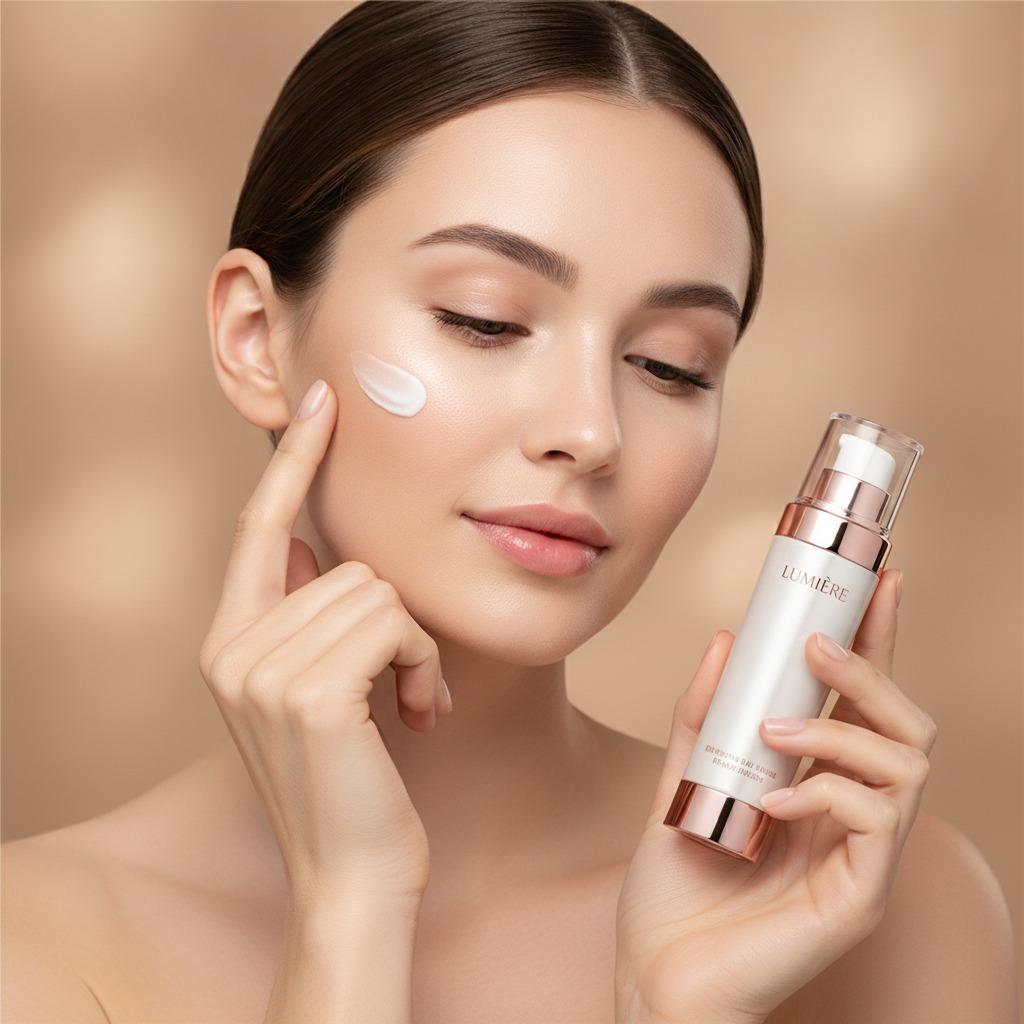
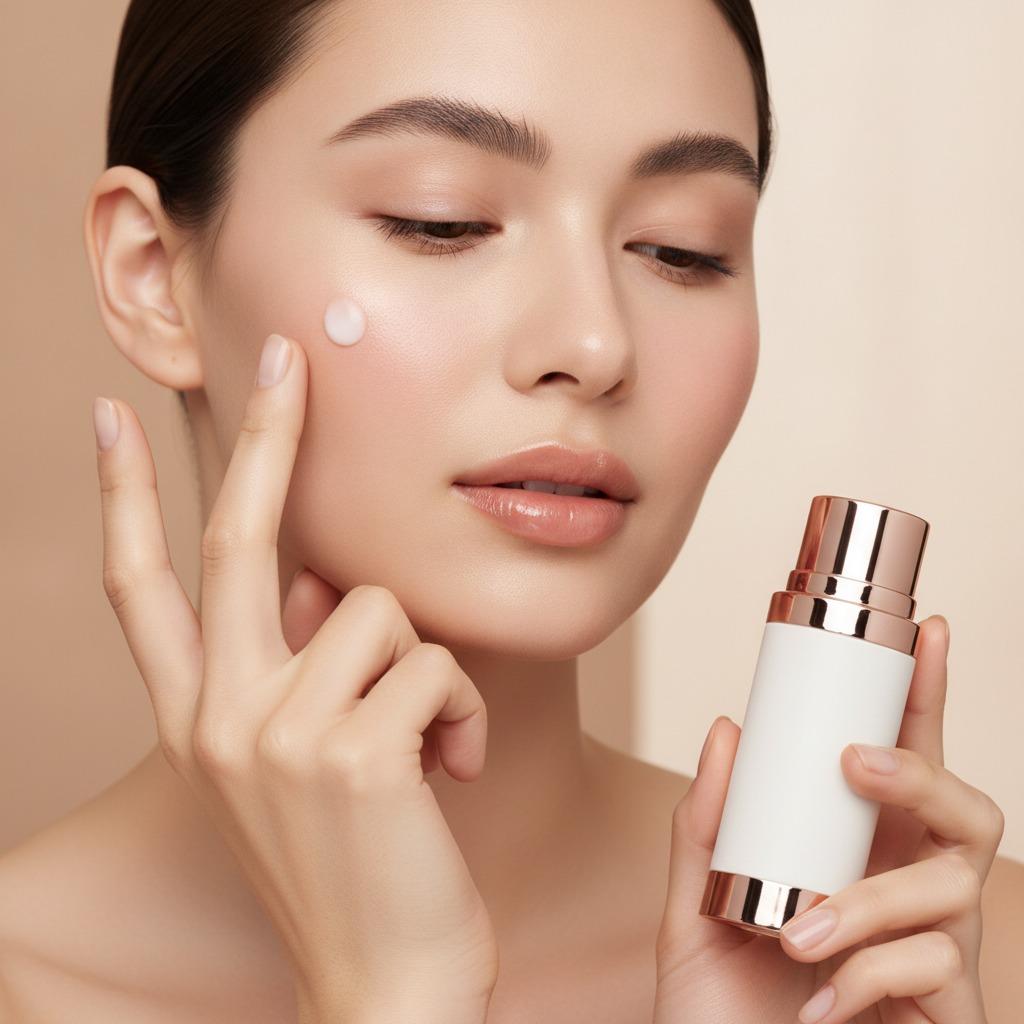
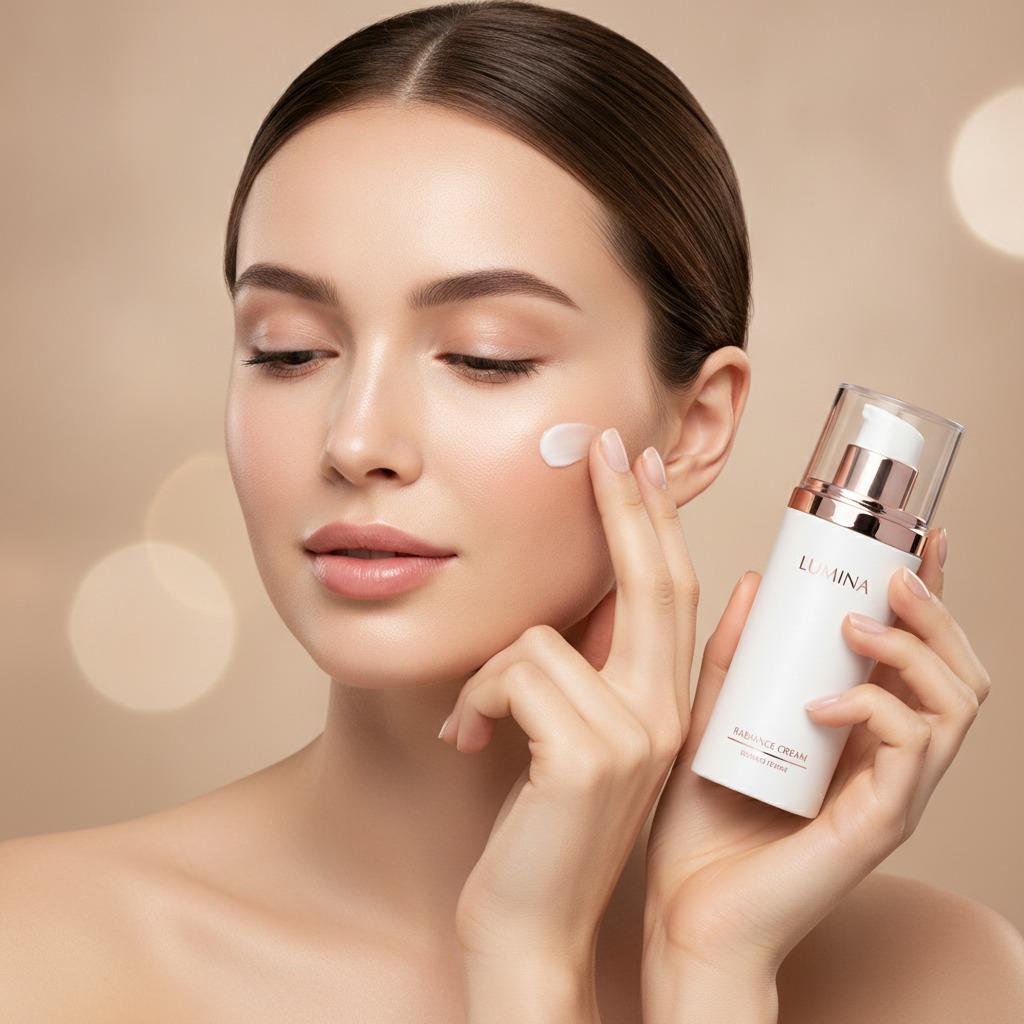
The product example provided here points to a compact, cylindrical, white cosmetic bottle or tube-style container with metallic rose-gold or chrome accents and a visible brand mark. It reads as a clean, premium personal-care format—small enough for travel or countertop use, and probably aimed at facial application rather than body care. That kind of packaging may seem straightforward, but it sits at the intersection of formulation, molding, decoration, assembly, and final filling control.
Why the Factory Choice Matters More Than the Marketing
A good-looking cosmetic factory can still be the wrong fit if it cannot support the product’s actual commercial path. The differences show up quickly:
A moisturiser or serum for daily face care needs stable packaging, accurate fill control, and sensible closure performance. If the bottle is opaque and decorative, the factory also has to manage the look of the finished unit from all angles, not just the front label. Buyers often underestimate how much the package itself affects the perceived value of the product. In beauty, the first sale is made by appearance, but the repeat sale depends on product consistency.
That is why sourcing teams should treat skin care manufacturing as a system, not a single process. Formula development, container selection, decoration, and secondary packaging all need to work together. If one step is handled casually, the result is usually a higher reject rate, more complaints, or a product that looks less premium than planned.
Quick Reference: What a Capable Skin Care Factory Should Be Able to Handle
A practical buyer checklist is usually more useful than a long brochure.
The factory should be able to support:
- cosmetic formulation or formulation coordination for skin care manufacturing
- packaging selection for bottles, tubes, jars, or airless-style formats where relevant
- filling and assembly for cream-like or serum-like products
- decoration and branding that survives transport and shelf display
- quality inspection for appearance, fill level, closure fit, and packaging integrity
- OEM/ODM support when the buyer needs private-label development
Not every factory will do all of these in-house, and that is not automatically a problem. What matters is whether the supplier can manage the workflow without confusion. A good cosmetic factory knows where responsibility starts and ends.
Reading the Product Format: What the Package Tells You
The visible product category here appears to be a topical face-care item in a cylindrical container with no visible pump head or dropper. That detail matters.
A tube-style or bottle-style container often suggests a cream, lotion, essence, or serum intended for controlled daily dispensing. The compact form is useful for travel retail, gift sets, or entry-level prestige packaging. The opaque white body is also practical: it protects the contents visually and gives the brand a cleaner surface for printing and finishing.
The metallic accent bands near the middle and base/top add a premium cue, though it should be noted cautiously that the accents may be metal or simply printed decorative plastic. From a sourcing point of view, that distinction affects cost, durability, and compatibility with production. It also changes the perception of the item when buyers compare samples side by side. A small detail, yes, but in beauty packaging the small details are often the deciding ones.
For a brand team, this kind of packaging raises a few immediate questions:
- Is the package intended for thicker cream, lighter lotion, or serum?
- Does the closure system protect the formula during transport?
- Is the design easy to fill on standard cosmetic equipment?
- Will the decoration remain consistent across volume production?
Those questions should be answered before committing to a production run, not after the first cartons arrive.
Skin Care Manufacturing: The Typical Flow Behind a Finished Product
Even without exact ingredient details, the manufacturing path for a facial cream or serum tends to follow a familiar sequence.
First comes formula planning. The buyer may already have a target market position, such as moisturizing, smoothing, or general complexion care. The factory then needs to map that brief into a workable formulation and match it to a package that will not interfere with the product’s texture or stability.
Next is packaging engineering. In a skin care factory, the container cannot be treated as an afterthought. The wall thickness, closure fit, decoration method, and material choice all matter. A sturdy but elegant cylindrical bottle may be a good fit for a premium daily-use item, but only if the filling line and sealing method can support it consistently.
Then comes filling and assembly. For a cream-like product, the factory should control dosage and appearance carefully, especially if the brand wants a clean, high-end presentation. Cosmetic buyers usually notice whether the fill is level, whether the cap seats properly, and whether the product is neat around the neck or opening. Those are the details that separate a real manufacturing partner from a casual assembler.
Finally, there is outer packaging and shipment readiness. A product that looks good on the line can still fail in transit if the carton arrangement is weak or the decoration is too fragile. This is where practical factory experience matters more than glossy promises.
What to Ask Before You Commit to a Supplier
For sourcing managers, the right questions are often plain ones.
Ask what kind of skin care products the factory handles most often. A supplier that regularly works on facial cream or serum packaging will usually understand the handling expectations better than a generalist who mostly works on unrelated consumer goods.
Ask whether the factory offers OEM/ODM services. SAIL’s company information highlights OEM/ODM capability in its own field, and that concept translates well to beauty sourcing: buyers often need a supplier that can adapt to a specific market, rather than forcing a generic template onto the brand.
Ask how quality is checked during production. Cosmetic packaging is visual, and cosmetic formula performance is sensitive. That means the supplier should have some form of inspection logic for appearance, fit, and fill consistency. You do not need a factory to claim perfection; you need one that knows where defects usually appear and how they are controlled.
Ask about output flexibility. If the plan is e-commerce launch first, then retail expansion later, the factory should be able to scale without changing the product character too much. That is harder than it sounds.
Common Buyer Mistakes in Cosmetic Factory Selection
One common mistake is overvaluing the sample and undervaluing production discipline. A beautiful sample bottle does not guarantee stable mass production. Another is choosing packaging before confirming the product’s actual behavior. A thick cream, for example, may not suit every container style.
Another error is not checking decoration durability early enough. Metallic-looking accents, printed branding, and matte finishes can all look excellent in a photo but behave differently in handling, storage, or shipping. If the brand is aiming for a premium shelf presence, ask for sample units that resemble the real production method as closely as possible.
Buyers also sometimes assume every skin care factory can manage both formula and packaging equally well. In reality, some are stronger on formulation, while others are more skilled in cosmetic assembly and packaging control. Knowing which side matters most to your project saves time and a fair amount of frustration.
Practical Buying Advice for Retail, E-Commerce, and Spa Channels
For retail, the package has to sell from a distance. The white cylinder and refined accent bands suggest a product that can hold its own visually on a shelf or in a vanity display. For e-commerce, shipping protection becomes equally important. The buyer sees the first image online, but the customer experiences the carton, the seal, and the condition of the unit upon delivery.
For spa or resale packaging, ease of use matters just as much as appearance. A daily-use face product should feel comfortable in the hand, dispense cleanly, and look credible beside other professional beauty items. If the brand wants a premium position, the factory needs to understand that the package is part of the treatment experience, not just a holder for the formula.
One small caution: the best-looking package is not always the easiest one to scale. Decorative finishes and unusual closures can slow production if they are not chosen carefully. That trade-off should be discussed early.
FAQ: Common Questions Buyers Ask a Skin Care Factory
Can a cosmetic factory handle both cream and serum products?
Often yes, but not always with the same line setup. The factory should confirm what it can fill reliably and what packaging formats it supports.
Is an opaque bottle better than a clear one?
Not universally. Opaque packaging can protect the look of the formula and support a premium appearance, but the decision should follow product needs, branding, and shelf strategy.
Does premium packaging always mean higher quality?
No. It can signal value, but quality still depends on formulation control, filling consistency, closure integrity, and production discipline.
What should buyers request before placing an order?
At minimum, request a sample, packaging details, decoration method clarification, and a clear description of production capability. If the product is being sold under a private label, confirm branding placement and artwork compatibility early.
A Sourcing Decision That Should Hold Up After Launch
The right skin care factory is not simply the one with the nicest showroom or the fastest reply. It is the one that can translate a product idea into a stable item that looks right, feels right, and ships without drama. In skin care manufacturing, those are not minor advantages; they are the difference between a launch that builds confidence and one that creates avoidable cleanup work.
If you are comparing suppliers for a facial cream, serum, or similar daily-use product, start with the package, then check the process, then look at the factory’s ability to keep both aligned. That order usually saves the most time.
For teams building private-label or OEM cosmetic lines, the next step is to request a sample review, confirm the filling and decoration method, and test how the package fits your market position before scaling the order. The product may be small, but the sourcing decision is not.