Understanding Skin Care Manufacturing Basics
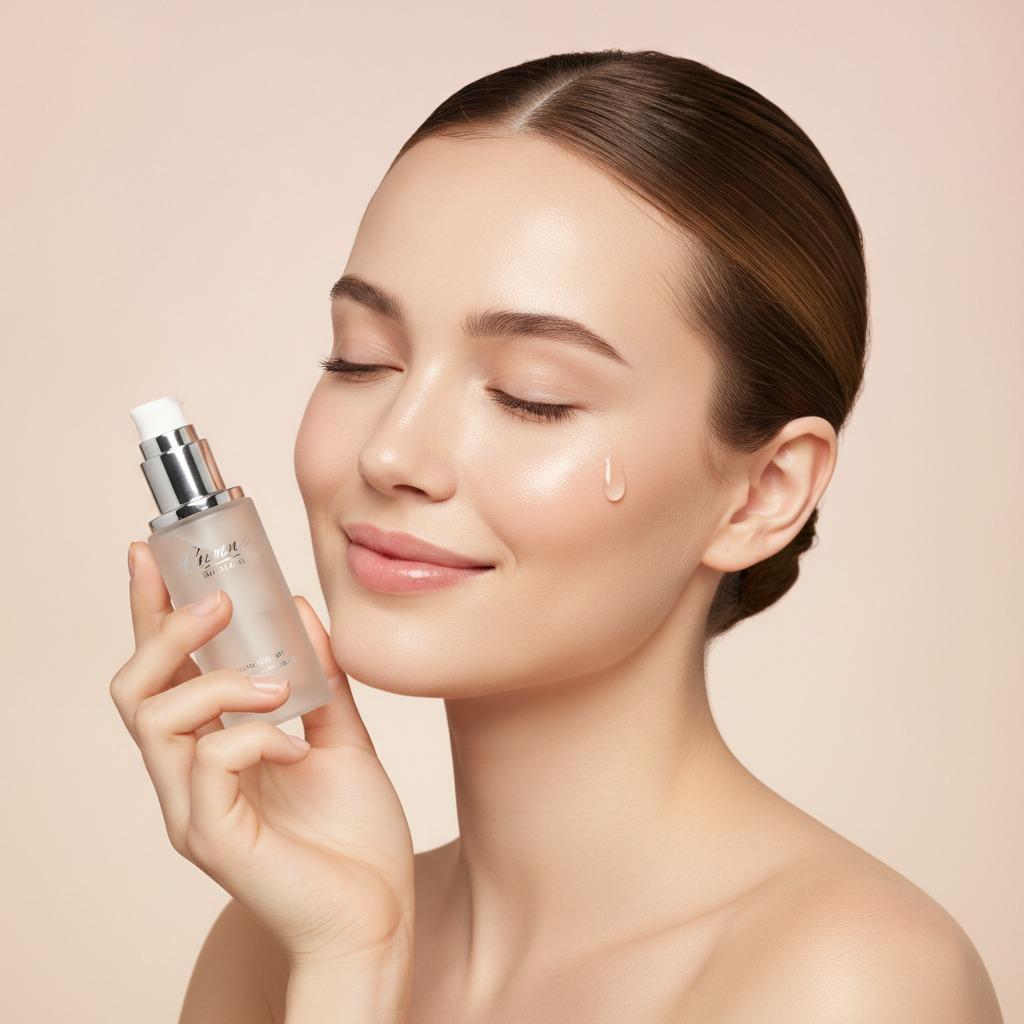
The skin care manufacturing industry has grown significantly, driven by consumer demand for personalized and high-quality products. Skin care manufacturing involves the creation of lotions, creams, serums, and other formulations using advanced techniques to ensure safety and efficacy. At its core, this process combines scientific research, ingredient sourcing, and precise production methods to deliver products that meet diverse skin needs. For businesses entering this field, understanding skin care manufacturing is essential to stand out in a competitive market.
Custom Skin Care Formulations: Tailoring Products to Specific Needs
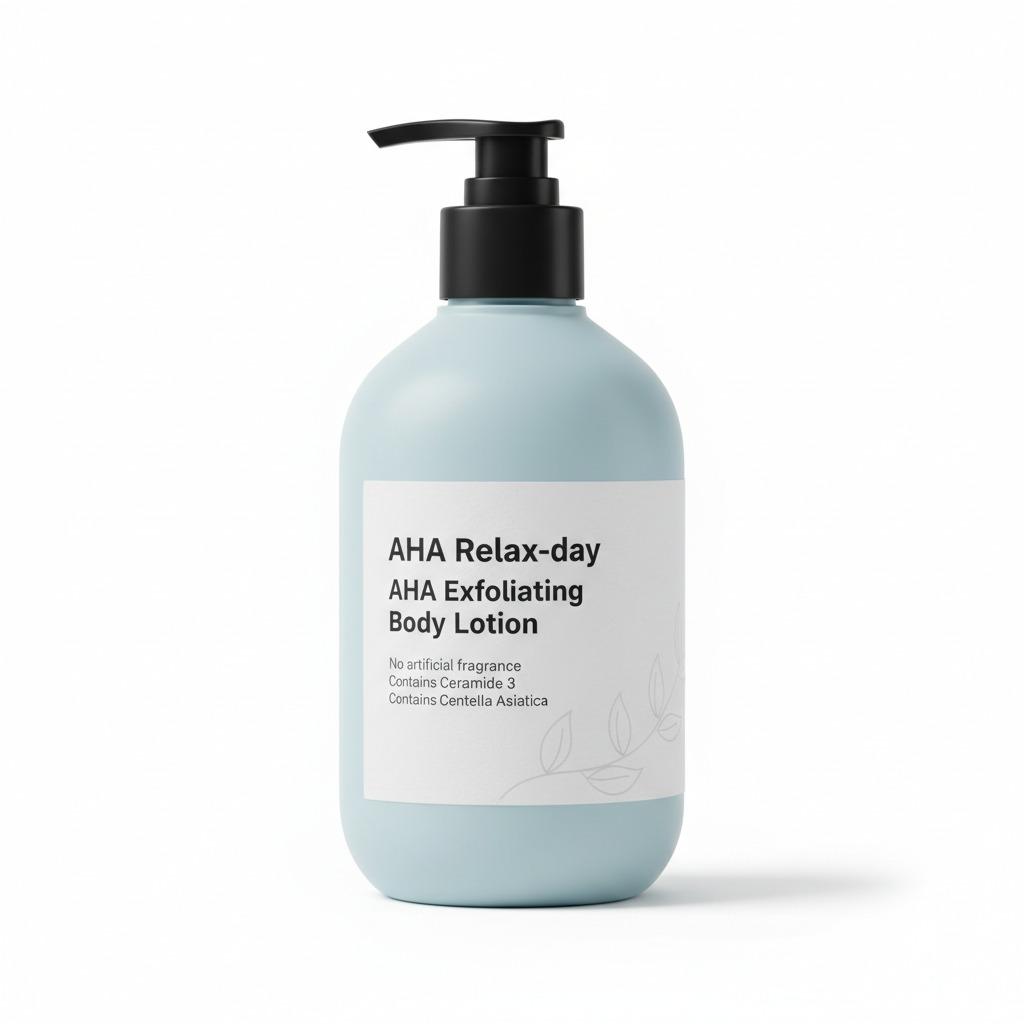
Custom skin care formulations represent a key aspect of modern skin care manufacturing, allowing brands to create unique products tailored to individual preferences. This approach involves blending ingredients like alpha hydroxy acids (AHAs), hyaluronic acid, and ceramides to address concerns such as dryness, irritation, or dullness. For instance, a formulation enriched with seven types of hyaluronic acid can provide multi-layered hydration, while ceramide 3 strengthens the skin barrier for long-lasting protection. Companies specializing in custom skin care formulations often collaborate with clients to develop fragrance-free options, ideal for sensitive skin, ensuring the final product aligns with market trends and regulatory standards.
In the realm of skin care manufacturing, customization extends to incorporating soothing elements like Centella Asiatica, which calms and heals irritated skin. This personalized process not only enhances product appeal but also builds brand loyalty by offering solutions for specific issues, such as rough patches or flaky texture. Manufacturers use advanced labs to test stability and efficacy, guaranteeing that each custom skin care formulation delivers professional-grade results without compromising on safety.
Private Label Skin Care: A Strategic Business Approach
Private label skin care has become a popular strategy in skin care manufacturing, enabling retailers to offer branded products without investing in full-scale production. This model involves manufacturers producing items under a client's brand name, often using proven formulas like AHA-enriched exfoliating lotions. A 300g pump-dispenser lotion, for example, can be customized with nourishing ingredients to provide daily hydration and exfoliation, resulting in soft, radiant skin. Private label skin care allows for quick market entry, as manufacturers handle everything from formulation to packaging, reducing costs and time for businesses.
One advantage of private label skin care is the flexibility to incorporate therapeutic elements, such as multi-type hyaluronic acid complexes for plump, supple skin. Manufacturers ensure compliance with international quality standards, making these products suitable for global distribution. Businesses benefit from scalable production, where small batches for testing evolve into larger runs, all while maintaining consistency in skin care manufacturing processes. This approach fosters innovation, as brands can experiment with unique blends like fragrance-free formulas infused with calming botanicals.
Key Ingredients and Their Role in Skin Care Manufacturing
In skin care manufacturing, selecting the right ingredients is crucial for product performance. AHAs, for instance, gently exfoliate dead skin cells, improving texture and promoting a brighter appearance. When combined with ceramide 3, these formulations not only hydrate but also repair the skin's natural barrier, preventing moisture loss. Hyaluronic acid, particularly in its seven-type complex, penetrates multiple skin layers for deep nourishment, making it a staple in custom skin care formulations.
Centella Asiatica adds a soothing touch, ideal for sensitive skin types, reducing redness and supporting healing. Private label skin care manufacturers often prioritize these ingredients to create versatile products, like body lotions that address daily concerns such as dull tone or roughness. Quality control in skin care manufacturing ensures that all components are ethically sourced and tested for purity, resulting in safe, effective products that users can trust for everyday use.
Production Processes in Skin Care Manufacturing
The production line in skin care manufacturing starts with recipe development, where experts blend active and supportive ingredients under controlled conditions. Emulsification techniques ensure even distribution, while pH balancing maintains skin compatibility. For private label skin care, this phase includes client approvals to align with branding visions, such as incorporating pump dispensers for convenient, mess-free application.
Packaging plays a vital role, with options like 10.6 oz tubes designed for user-friendliness and product preservation. Custom skin care formulations undergo rigorous testing for stability, microbial safety, and efficacy, adhering to guidelines from bodies like the FDA or EU regulations. This meticulous process in skin care manufacturing guarantees that final products, whether exfoliating lotions or hydrating creams, deliver on promises of softness, smoothness, and radiance.
Scalability is another strength, allowing manufacturers to ramp up from prototypes to mass production without quality dips. Innovations like automated filling lines enhance efficiency, ensuring timely delivery for private label partners. Overall, these processes underscore the precision required in skin care manufacturing to meet consumer expectations.
Trends and Innovations Shaping Skin Care Manufacturing
Emerging trends in skin care manufacturing emphasize sustainability and clean beauty, with a shift toward eco-friendly packaging and natural actives. Custom skin care formulations now incorporate biotech-derived ingredients for enhanced bioavailability, while private label skin care focuses on inclusivity for diverse skin tones and types. Fragrance-free and hypoallergenic options are on the rise, catering to the growing sensitive skin demographic.
Technology integration, such as AI-driven formulation design, streamlines custom skin care formulations, predicting ingredient interactions for optimal results. In skin care manufacturing, blockchain traceability ensures ingredient authenticity, building consumer trust. These innovations not only improve product quality but also support market expansion, as brands leverage private label skin care to introduce trending items like AHA-infused daily lotions.
Looking ahead, personalization through at-home diagnostics could revolutionize skin care manufacturing, enabling hyper-customized products. Manufacturers investing in R&D will lead, offering solutions that blend science with indulgence for glowing, healthy skin.
Choosing the Right Skin Care Manufacturing Partner
Selecting a partner for skin care manufacturing involves evaluating their expertise in custom skin care formulations and private label capabilities. Look for facilities with certifications like ISO and GMP, ensuring adherence to global standards. A strong track record in handling diverse ingredients, from AHAs to hyaluronic complexes, indicates reliability.
Assess customization options, such as formulating soothing, fragrance-free products with Centella Asiatica for sensitive users. For private label skin care, partners should offer end-to-end services, from concept to delivery, with scalable production to match business growth. Transparent communication and sample testing are key to successful collaborations in skin care manufacturing.
Ultimately, the right partner enhances your brand by delivering high-quality, innovative products that resonate with consumers seeking effective, pampering skincare solutions.