Understanding Skin Care Manufacturing: The Backbone of Innovative Skincare Solutions
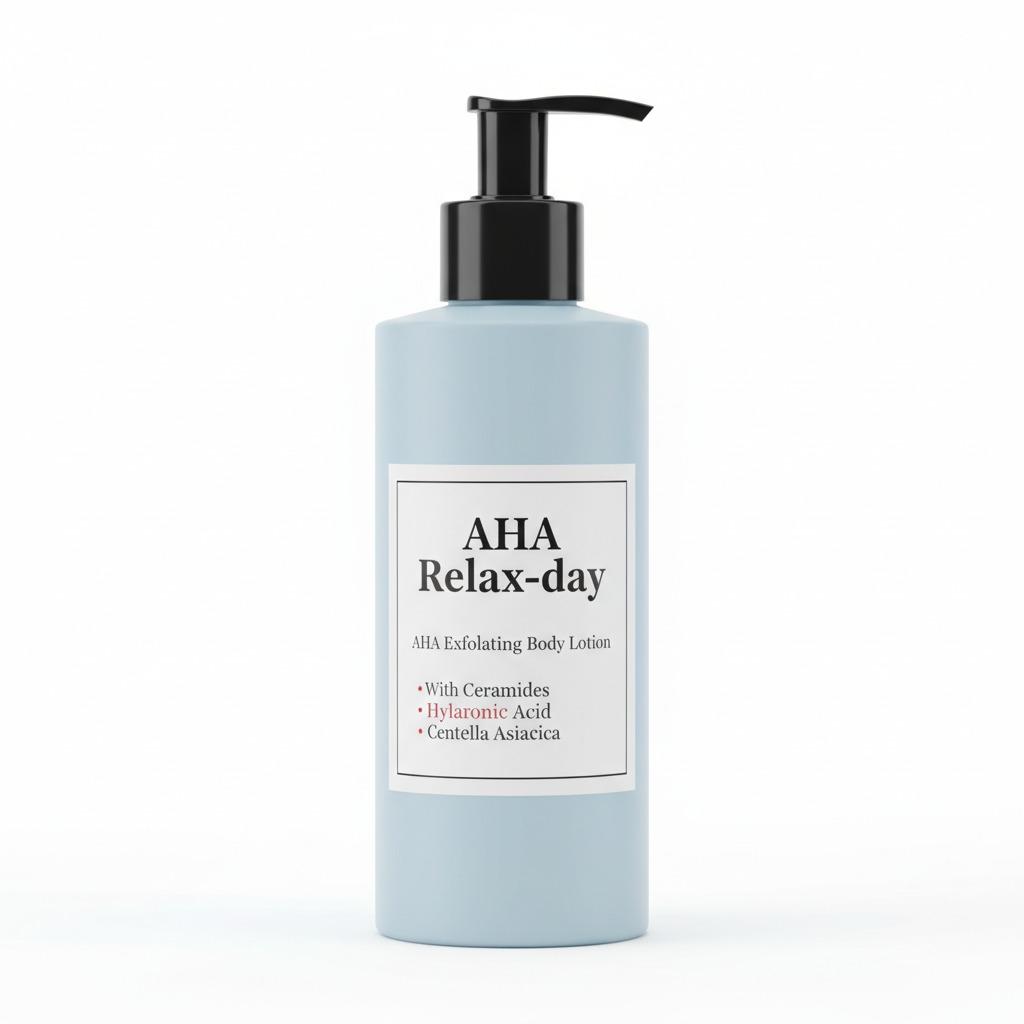
Skin care manufacturing forms the foundation of the beauty industry, ensuring that high-quality products reach consumers worldwide. At its core, this process involves the careful development, production, and packaging of skincare items designed to address various skin concerns. With the rising demand for personalized and effective treatments, skin care manufacturing has evolved to incorporate advanced technologies and natural ingredients, making it a dynamic field. Companies specializing in this area, like those offering custom skin care formulations and private label skin care services, play a pivotal role in bringing innovative products to market. This article explores the intricacies of skin care manufacturing, highlighting how it supports brands in delivering superior skincare experiences.
The Role of Custom Skin Care Formulations in Modern Manufacturing
Custom skin care formulations represent a tailored approach within skin care manufacturing, allowing brands to create unique products that meet specific consumer needs. Unlike mass-produced items, these formulations are developed based on individual requirements, such as targeting acne, aging, or hydration issues. Manufacturers begin by selecting active ingredients like alpha hydroxy acids (AHAs) for exfoliation or hyaluronic acid for moisture retention, ensuring compatibility and efficacy. The process involves rigorous testing in controlled environments to guarantee stability and safety, often adhering to international standards like those from the FDA or EU cosmetics regulations.
In practice, custom skin care formulations start with consultation between manufacturers and brands to define goals, such as incorporating seven types of hyaluronic acid for deep hydration or ceramide 3 to strengthen the skin barrier. This personalization extends to texture preferences—whether a lightweight lotion or a rich cream—and even scent profiles, with many opting for fragrance-free options to appeal to sensitive skin users. By focusing on clean beauty principles, these formulations avoid harmful chemicals, parabens, and synthetic dyes, aligning with consumer trends toward natural and sustainable products. The result is a bespoke product that stands out in a competitive market, fostering brand loyalty through targeted efficacy.
Private Label Skin Care: Streamlining Production for Brands
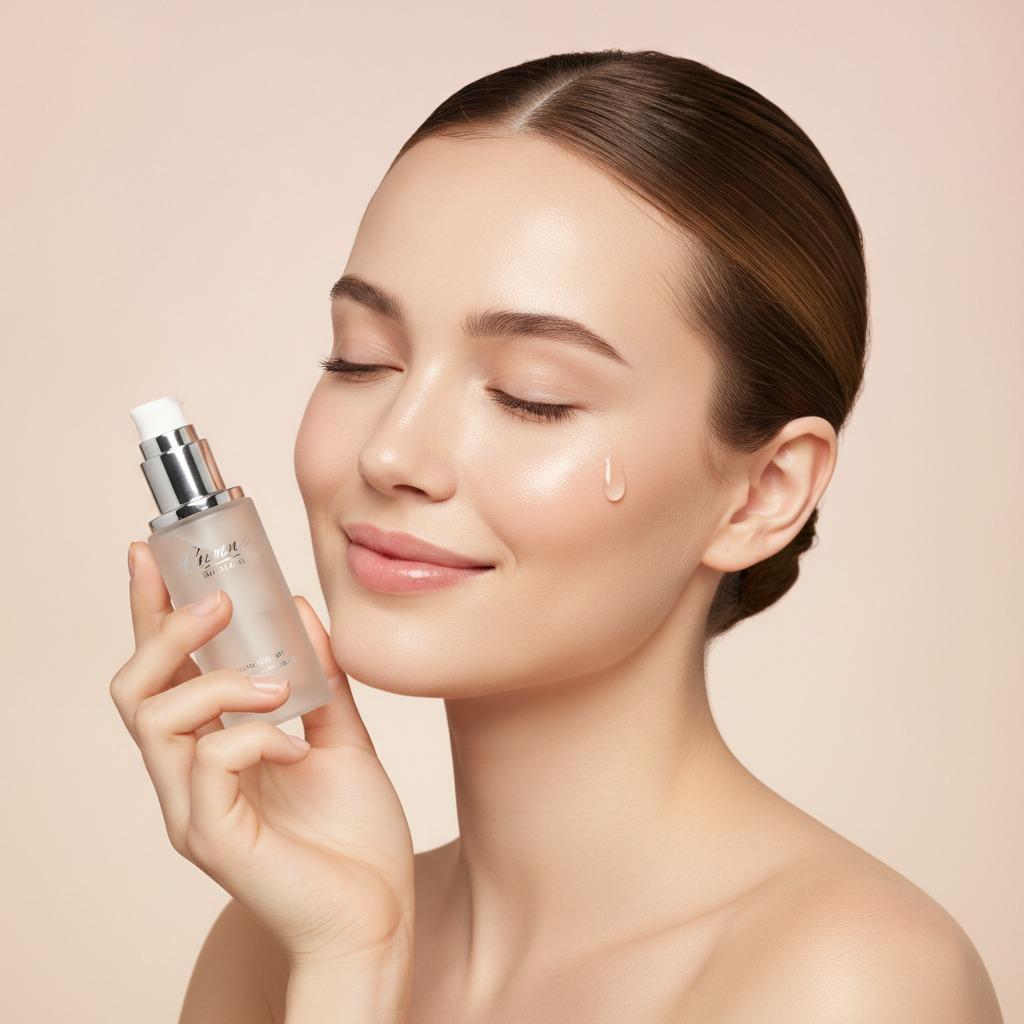
Private label skin care is another key aspect of skin care manufacturing, enabling companies to offer their own branded products without investing in full-scale facilities. This model involves manufacturers producing skincare items under a client's label, handling everything from formulation to final packaging. It's particularly beneficial for emerging beauty brands or retailers looking to expand their lines quickly and cost-effectively. For instance, a brand might request a body lotion with AHA for gentle exfoliation, combined with soothing centella asiatica to calm irritated skin, all packaged in an elegant, user-friendly pump dispenser.
The advantages of private label skin care include scalability and expertise access. Manufacturers with state-of-the-art labs can produce in volumes ranging from small batches for testing to large runs for distribution, ensuring consistency across every unit. Quality control is paramount, involving microbial testing, pH balancing, and stability assessments to prevent issues like separation or contamination. Additionally, this approach supports eco-friendly practices, such as using recyclable packaging in pastel tones that enhance visual appeal while being hygienic. Brands benefit from the manufacturer's R&D capabilities, which can incorporate trending ingredients like multi-molecular hyaluronic acids for plumping effects, ultimately delivering professional-grade results at home.
Key Processes in Skin Care Manufacturing
Delving deeper into skin care manufacturing, the production pipeline encompasses several critical stages. It begins with raw material sourcing, where high-purity ingredients are vetted for authenticity and potency—think sustainably harvested botanicals or lab-synthesized actives. Formulation development follows, where chemists blend components in precise ratios; for a product like an exfoliating body lotion, this might mean 5-10% AHA concentration balanced with emollients to prevent dryness.
Mixing and emulsification occur in specialized equipment to create uniform textures, followed by heating or cooling as needed to activate ingredients without degrading them. Filtration removes impurities, ensuring a smooth application. Packaging is the next vital step, where products are filled into containers like 300g bottles designed for daily use, with pumps to maintain sterility. Labeling and compliance checks ensure all claims, such as 'free of artificial fragrances,' are accurate and regulatory-approved. Throughout, sustainability is integrated—many facilities now use energy-efficient processes and biodegradable materials to minimize environmental impact.
Post-production, batch testing verifies shelf life, often up to 24 months, and efficacy through clinical trials showing improved skin texture or hydration levels. This meticulous process in skin care manufacturing guarantees that end-users receive safe, effective products that deliver on promises, like revealing radiant skin after consistent use.
Trends and Innovations Shaping Skin Care Manufacturing
The landscape of skin care manufacturing is rapidly evolving, driven by consumer demands for inclusivity and science-backed solutions. One prominent trend is the rise of biotech-derived ingredients, such as lab-grown ceramides that mimic the skin's natural barrier more effectively than traditional sources. Custom skin care formulations are increasingly leveraging AI to predict ingredient interactions, speeding up development and reducing waste. Private label skin care, meanwhile, is adapting to global markets by offering multicultural formulations—addressing diverse skin tones and climates from arid regions to humid tropics.
Sustainability remains a cornerstone, with manufacturers adopting zero-waste protocols and carbon-neutral certifications. For example, waterless formulations cut down on resource use, while upcycled ingredients from food byproducts add novelty. The integration of smart packaging, like QR codes linking to usage tutorials, enhances user engagement. As personalization grows, on-demand manufacturing via 3D printing for custom textures is emerging, though still in early stages. These innovations ensure skin care manufacturing not only meets current needs but anticipates future ones, such as microbiome-friendly products that support skin's natural flora.
Looking ahead, regulatory pressures for transparency will push manufacturers toward full ingredient disclosure and ethical sourcing. Collaborations between skincare firms and tech companies could yield app-integrated products, tracking application and suggesting adjustments. In this vein, skin care manufacturing continues to innovate, blending tradition with cutting-edge science to empower consumers with tools for optimal skin health.
Why Choose Professional Skin Care Manufacturing Partners
Selecting a reliable partner in skin care manufacturing can make or break a product's success. Look for facilities with certifications like ISO 22716 for good manufacturing practices, ensuring hygiene and consistency. Expertise in custom skin care formulations allows for unique offerings, while private label skin care services provide turnkey solutions from concept to shelf. Evaluate their track record in handling sensitive ingredients, like AHAs that require pH control to avoid irritation, or multi-hyaluronic acid blends for varying penetration depths.
A strong partner offers end-to-end support, including market analysis to align products with trends, such as clean, vegan formulas. Their supply chain efficiency ensures timely delivery, crucial for seasonal launches. Cost-effectiveness without compromising quality is key—bulk production lowers per-unit expenses, yet small runs are viable for startups. Ultimately, partnering with experts in skin care manufacturing translates to innovative, trustworthy products that resonate with consumers seeking genuine results, like smoother, hydrated skin from a simple daily lotion.
In summary, skin care manufacturing is a sophisticated industry that combines science, creativity, and precision to deliver transformative skincare. Whether through custom skin care formulations or private label skin care, it empowers brands to thrive in a beauty market valued at billions. By prioritizing quality and innovation, manufacturers continue to elevate standards, helping individuals achieve their best skin possible.