Skin Care Manufacturing: Innovating Quality and Customization in Beauty
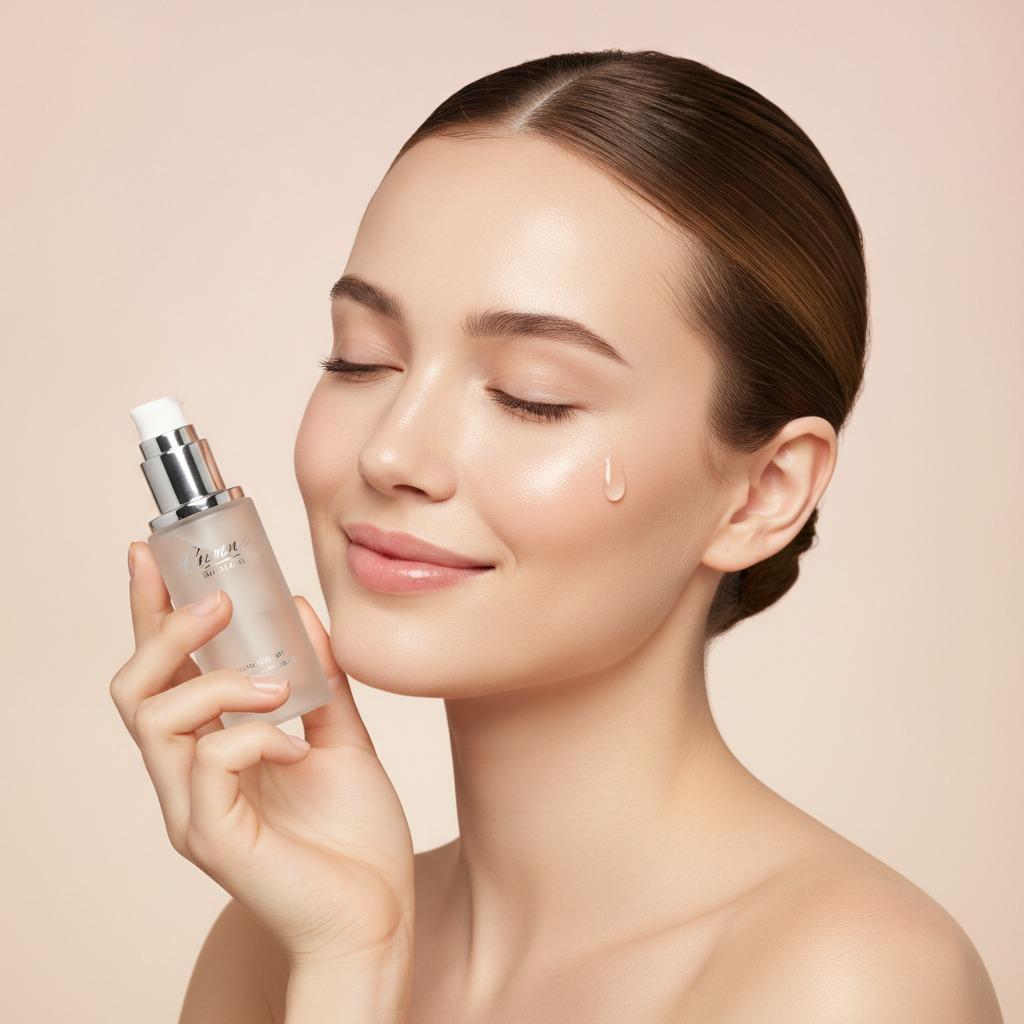
In the dynamic world of skin care manufacturing, innovation drives the creation of products that meet diverse consumer needs. As a leader in this field, companies are focusing on advanced techniques to produce high-quality formulations. Skin care manufacturing encompasses everything from raw material sourcing to final packaging, ensuring efficacy and safety. With growing demand for personalized solutions, this industry is evolving rapidly to incorporate natural ingredients and sustainable practices. At its core, skin care manufacturing prioritizes research and development to deliver results that enhance skin health.
Understanding Custom Skin Care Formulations
Custom skin care formulations represent a personalized approach within skin care manufacturing. These tailored products allow brands to create unique blends that address specific skin concerns, such as hydration, anti-aging, or acne treatment. By leveraging expertise in chemistry and dermatology, manufacturers develop bespoke recipes that incorporate active ingredients like vitamins, peptides, and botanicals. This process involves rigorous testing to ensure stability and compatibility, resulting in formulations that are both effective and gentle. Custom skin care formulations enable smaller brands to compete with industry giants by offering niche products that resonate with targeted audiences. For instance, a formulation might combine hyaluronic acid for moisture retention with gentle exfoliants for smoother texture, all while avoiding common irritants.
The benefits of custom skin care formulations extend to scalability. Manufacturers can adjust batch sizes to suit startup needs or large-scale production, making it accessible for various business models. Quality control is paramount, with labs analyzing pH levels, viscosity, and microbial safety to meet regulatory standards like those from the FDA or EU Cosmetics Regulation. This meticulous process not only ensures product reliability but also builds consumer trust. In skin care manufacturing, embracing custom skin care formulations fosters innovation, allowing for the integration of trending elements like microbiome-friendly ingredients or eco-friendly preservatives.
Private Label Skin Care: A Strategic Manufacturing Solution
Private label skin care has become a cornerstone of modern skin care manufacturing, offering brands the opportunity to launch products without investing in full-scale production facilities. This model involves manufacturers producing goods under a client's branding, complete with customized packaging and labeling. It's particularly appealing for retailers and e-commerce businesses looking to expand their beauty lines quickly and cost-effectively. In skin care manufacturing, private label services streamline the supply chain, from concept development to market launch, often within months.
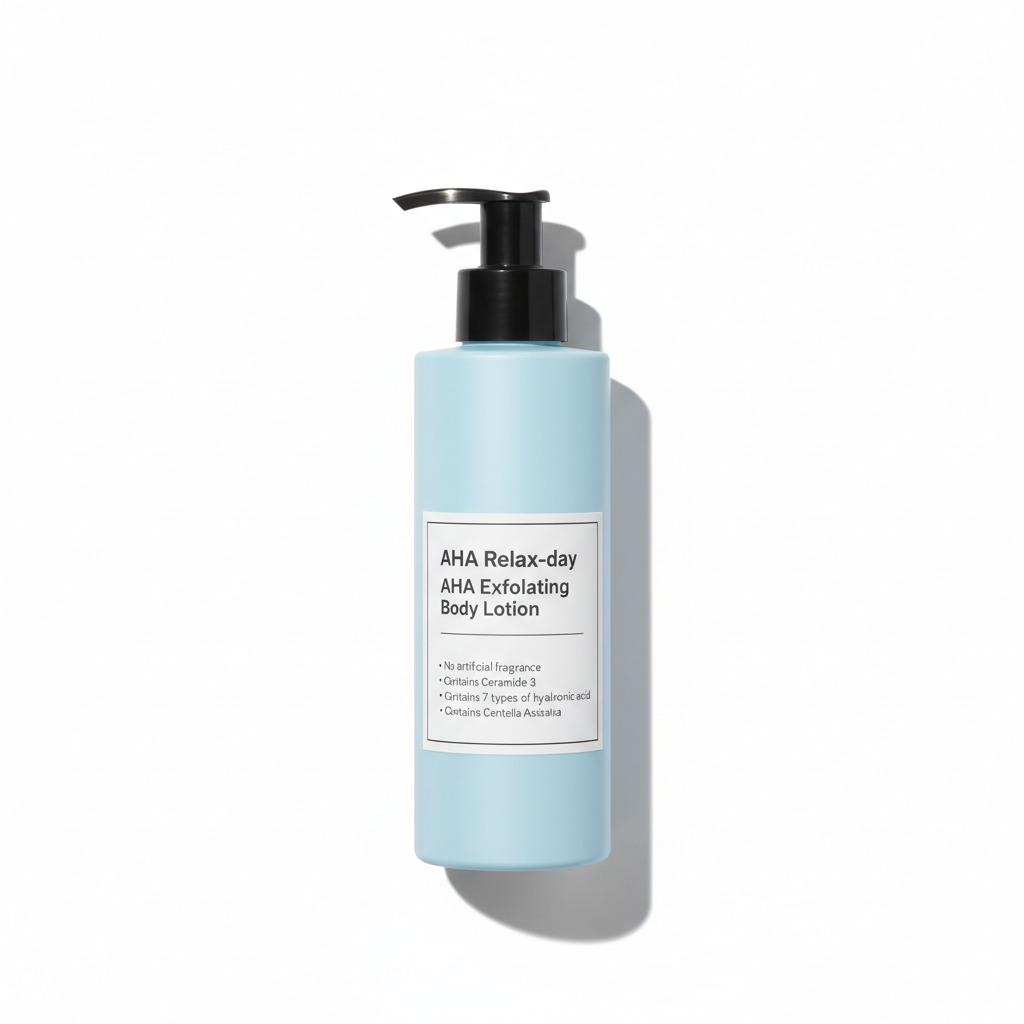
One key advantage of private label skin care is the access to professional-grade expertise. Manufacturers handle formulation, testing, and compliance, allowing clients to focus on marketing and sales. Products can range from serums and creams to innovative items like exfoliating lotions infused with alpha hydroxy acids (AHAs) and hyaluronic acid. For example, a private label product might feature soothing centella asiatica and ceramide 3 to strengthen the skin barrier, all in a fragrance-free formula suitable for sensitive skin. This customization ensures that private label skin care aligns with market trends, such as clean beauty or vegan options.
Scalability and flexibility define private label skin care in the broader context of skin care manufacturing. Suppliers often provide minimum order quantities that accommodate small businesses, while offering options for bulk production. Certifications like ISO and GMP underscore the commitment to quality, ensuring products are safe and effective. By partnering with experienced manufacturers, brands can iterate on designs, incorporate feedback, and stay ahead of competitors. This collaborative approach not only reduces time-to-market but also minimizes risks associated with in-house production.
Key Processes in Skin Care Manufacturing
Skin care manufacturing involves several critical stages to transform ideas into tangible products. It begins with research and development, where scientists analyze consumer needs and ingredient efficacy. Sourcing high-quality raw materials follows, emphasizing sustainability and purity to avoid contaminants. The formulation phase is where magic happens—mixing emulsifiers, preservatives, and actives under controlled conditions to achieve the desired texture and performance.
Quality assurance permeates every step of skin care manufacturing. From initial prototypes to final batches, products undergo stability testing, efficacy trials, and safety assessments. Packaging plays a vital role too, with options like pump bottles for lotions ensuring user convenience and product preservation. For custom skin care formulations, this stage allows for unique scents, colors, and consistencies tailored to brand identity. Private label skin care benefits from streamlined processes, where manufacturers adapt existing lines or create new ones efficiently.
Sustainability is increasingly integral to skin care manufacturing. Eco-friendly practices, such as using recyclable materials and reducing water usage, are becoming standard. Manufacturers are also focusing on biodegradable ingredients to minimize environmental impact. This holistic approach ensures that skin care products not only benefit the user but also align with global responsibility goals. As the industry grows, integrating technology like AI for predictive formulation enhances precision and innovation.
Trends Shaping the Future of Skin Care Manufacturing
Emerging trends are reshaping skin care manufacturing, with a strong emphasis on personalization and technology. Consumers now seek products backed by science, leading to advancements in delivery systems like liposomes for better ingredient absorption. Custom skin care formulations are evolving to include AI-driven diagnostics, allowing for hyper-personalized recommendations. Private label skin care is adapting by offering modular kits where brands can mix and match components.
Clean and transparent labeling is another trend influencing skin care manufacturing. Brands are prioritizing natural, non-toxic ingredients, prompting manufacturers to reformulate away from parabens and sulfates. The rise of K-beauty and wellness integrations, such as adaptogens in formulations, is expanding product diversity. For body care, items like AHA-infused lotions with multiple hyaluronic acids are gaining popularity for their exfoliating and hydrating properties.
Global supply chains are optimizing skin care manufacturing through automation and digital tracking, ensuring traceability from farm to shelf. Regulatory changes worldwide are pushing for greater safety data, which reputable manufacturers address through robust compliance programs. As e-commerce booms, agile production models support just-in-time manufacturing for private label skin care, reducing inventory costs. Overall, these trends position skin care manufacturing as a forward-thinking sector, ready to meet evolving consumer demands.
Choosing the Right Partner for Skin Care Manufacturing
Selecting a manufacturing partner is crucial for success in custom skin care formulations and private label skin care. Look for facilities with proven expertise, certifications, and a track record of innovation. A reliable partner should offer end-to-end services, from ideation to distribution, while providing transparent communication. Evaluate their capacity for scalability and ability to handle specific requests, like fragrance-free or organic certifications.
In skin care manufacturing, collaboration fosters creativity. Partners that understand market nuances can guide on trending ingredients and packaging solutions. For instance, incorporating ceramide 3 for barrier repair or centella asiatica for soothing effects can differentiate products. Ensure the manufacturer adheres to ethical sourcing and sustainable practices to align with brand values. By choosing wisely, businesses can launch high-performing products that build loyalty and drive growth.
Ultimately, skin care manufacturing thrives on quality, innovation, and partnership. Whether pursuing custom skin care formulations or private label skin care, the goal remains delivering exceptional results for healthier, radiant skin.