What a Mahjong Table Needs to Do Well
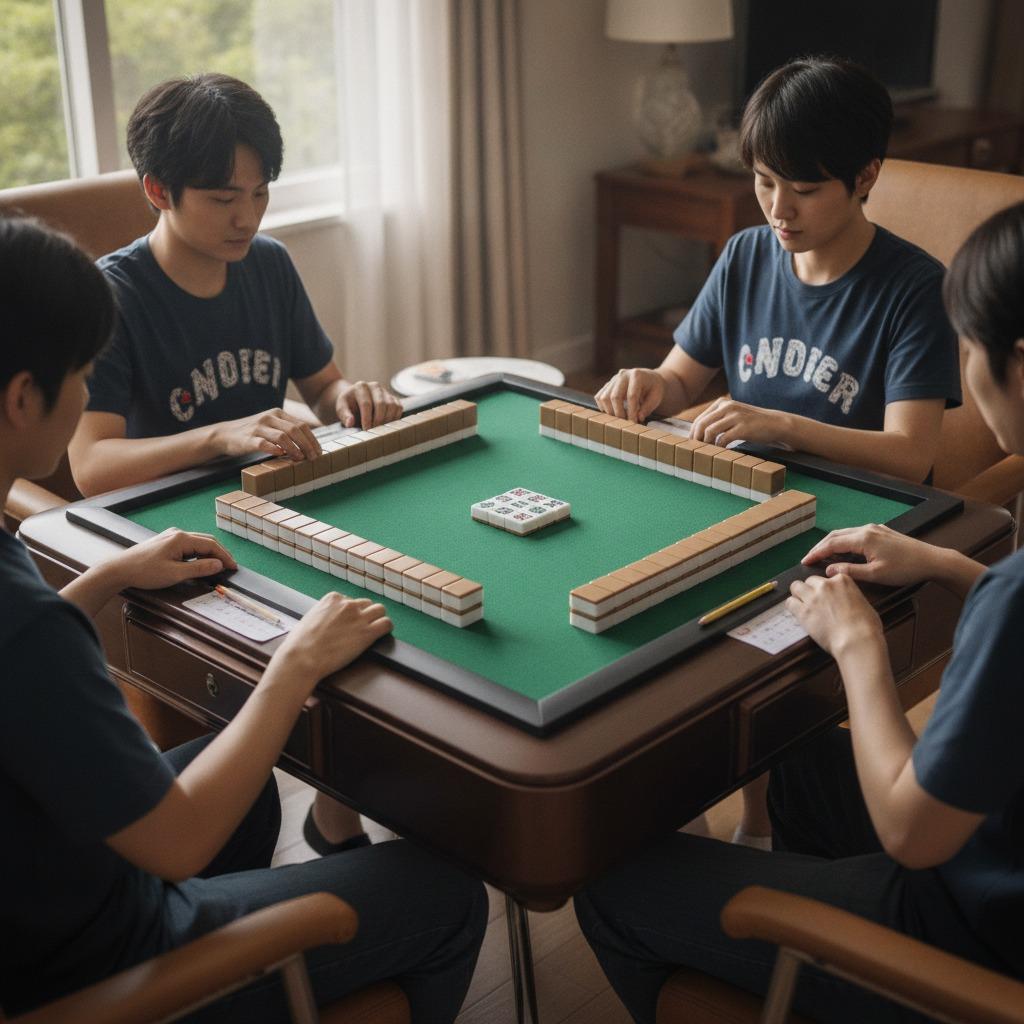
A Mahjong table is not just a square surface with tiles on it. For the people sitting around it, the table sets the pace of the session: where the tiles rest, how clearly each wall can be seen, whether score sheets stay in place, and how comfortably four players can work through repeated draws and discards. That matters whether the table is going into a home game room, a club, or a recreational lounge where sessions may run long and the furniture gets used often.
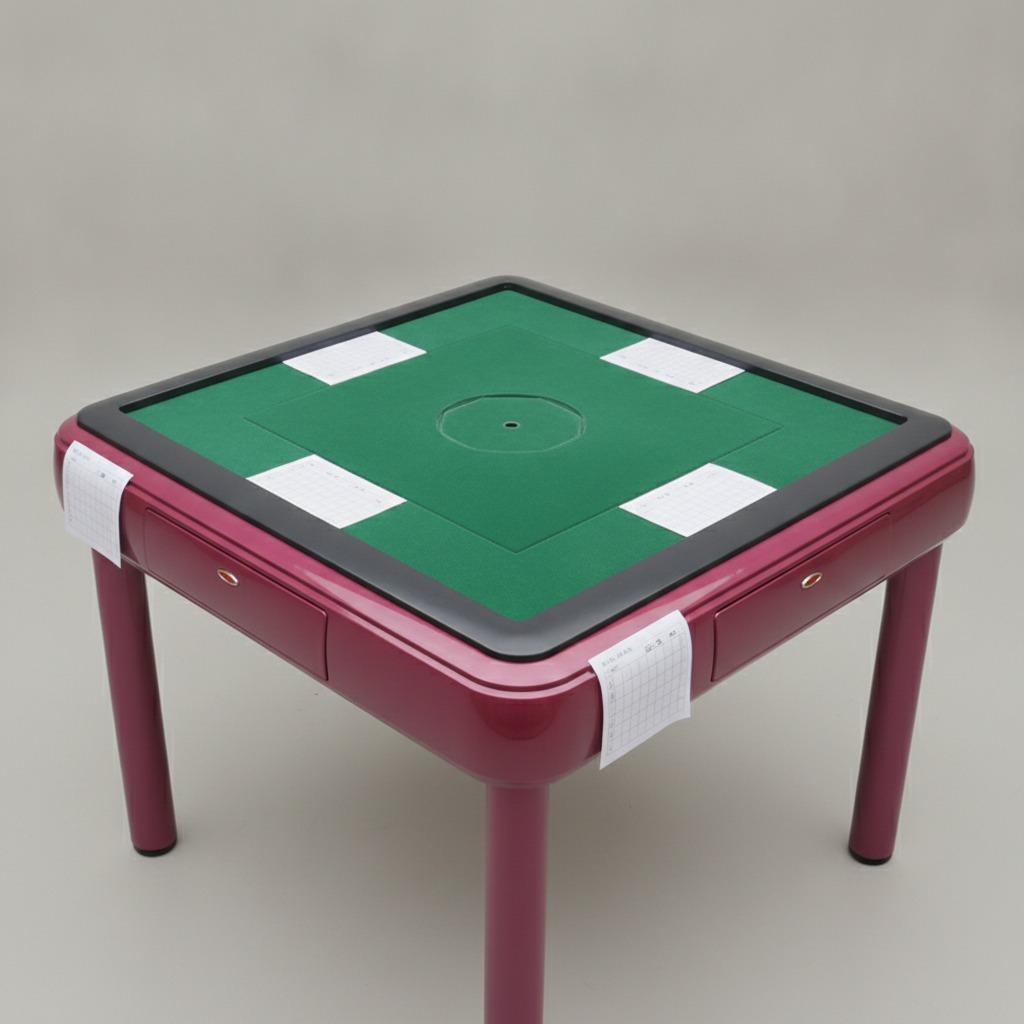
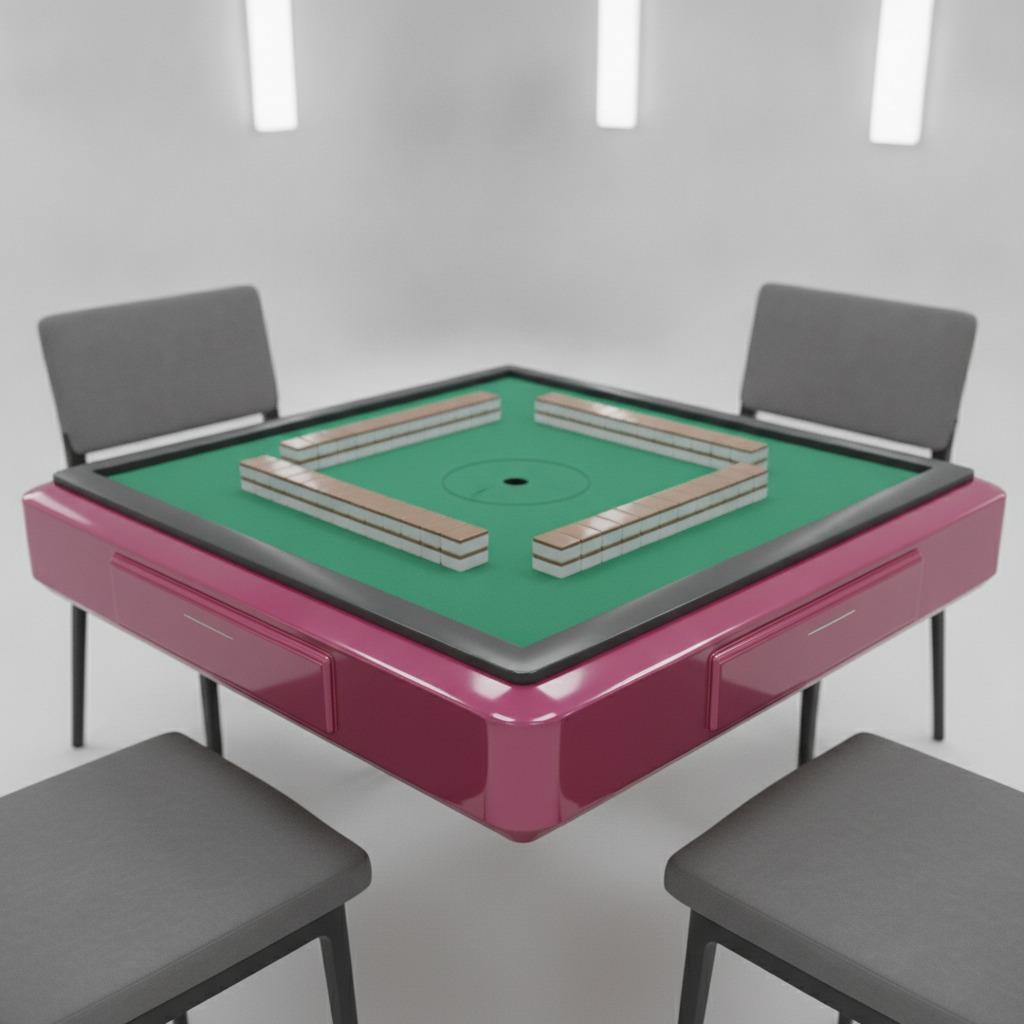
The image provided shows a compact four-player tile table with a recessed green playing surface, a raised perimeter rail, and stacked tile walls along the edges. It also shows paper score sheets at each position, which is a small detail but a practical one. Anyone sourcing a Mahjong table or a similar tile game table usually wants the same thing: a stable layout that keeps the game organized without making the table feel fussy.
Reading the Table from a Buyer’s Point of View
At first glance, the structure is straightforward. The square table has rounded corners, a framed edge in a bright painted finish, and a central playing area with enough recess to hold the tiles in place. That recessed center is not cosmetic. It helps reduce sliding, makes the walls more defined, and gives the players a clear boundary between the active play area and the outer rail.
The visible tile walls on multiple sides suggest a table designed for seated, multi-player gameplay. In practical terms, that means the table is intended for four people who each need easy reach to their own section of the layout. The score sheets reinforce that this is a game-table setup rather than a simple surface for casual tile handling.
For sourcing teams, the bigger question is not whether it looks like a Mahjong table. It is whether the construction supports repeated use, whether the surface finish will stand up to chips and wear, and whether the table geometry feels natural for the players who will use it most often.
Surface, Frame, and Tile Handling
The playing surface appears to be green felt or vinyl. Either can work, but they behave differently in daily use. Felt tends to feel softer and is familiar in many game tables, while vinyl is usually easier to wipe down. In a shared setting, the trade-off is simple: easier cleaning versus the quieter, more traditional play feel that many users expect.
The surrounding frame appears to be a coated or painted metal structure in magenta or pink. The image does not confirm the exact process, so it is better to treat that as a likely fabrication rather than a firm specification. Still, metal framing is common in tables that need a firm edge and a little resistance to impact. Tiles get placed and lifted repeatedly; a flimsy perimeter is one of the first things players notice.
The tiles themselves look like small rectangular pieces with light faces and darker edges on some stacks. The image does not confirm whether they are injection-molded plastic, composite, or another material, so it would be unwise to claim more. For buyers, the material question is important because it affects weight, sound, and long-term chip resistance. Tiles that feel too light can move around too easily; tiles that are poorly finished can develop rough edges and become annoying during sorting.
Why Dedicated Game Tables Matter in Shared Spaces
There is a tendency in some venues to treat tile games as something that can be played on any flat table. That works only up to a point. Once four players are leaning in, arranging walls, keeping score, and reaching across the center, a regular dining table starts to show its limits.
A proper Mahjong table helps in three ways. First, it contains the play area so pieces stay visible and organized. Second, it creates repeatable positions for each player, which is useful in clubs or lounges where different groups use the same furniture. Third, it improves the feel of the session. Players do not have to fight the table.
That last point is underrated. Buyers often focus on dimensions and finish, but the real value of a game table is operational. It makes the game easier to run. In environments with frequent turnover, that is worth more than a decorative flourish.
What to Check Before You Buy
If you are comparing a Mahjong table against other game furniture, start with the basics and do not rush past them.
1. Player spacing
The table should give four seated players enough elbow room to sort tiles and place score sheets without crowding the center. The image shows a four-position setup, which is the most common practical arrangement for this style of table.
2. Edge height and rail design
A raised perimeter rail helps keep tiles from skidding off the playing area. If the rail is too low, the table loses function. If it is too high or awkwardly shaped, it can get in the way of natural hand movement.
3. Surface maintenance
A green playing field looks right for this type of table, but appearance is only part of the story. Ask whether the surface can handle frequent handling, occasional spills, and basic cleaning without losing its finish. In a club environment, that can matter more than novelty.
4. Tile storage and organization
The image shows tile walls arranged along the edges and loose tiles in the center. That suggests the table is built around a gameplay pattern that depends on clear staging. If the set is meant for a venue, buyers should think about how the tiles will be stored between sessions and whether accessories like score sheets are included consistently.
Common Mistakes Buyers Make
One common mistake is assuming every square tile table is automatically suitable for Mahjong. It may not be. Some tables are too shallow, some do not support the layout comfortably, and some look the part but feel awkward once the tiles are actually in play.
Another mistake is overlooking the surrounding finish. A bright frame can look appealing in a showroom, but if the coating chips easily, the table will age badly in a busy environment. This is especially true for club use, where tables are moved, cleaned, and used by different groups.
A third issue is accessories. The score sheets visible in the image are a small but telling detail. A table that arrives without the practical extras may technically be playable, but it is not really ready for smooth use. Buyers sometimes discover that only after the first session.
How This Type of Table Fits Different Use Cases
For a home game room, the appeal is obvious: it creates a dedicated space for regular play and makes the room feel intentional rather than improvised. In recreational lounges, the table’s defined layout helps staff keep the setup tidy. In clubs, consistency is the real advantage. Players like a table that behaves the same way every time.
For commercial buyers, durability and ease of cleaning become the main filters. For home buyers, appearance and comfort may matter more. The challenge is balancing both. A table can look refined and still be practical, but only if the surface, frame, and playing geometry are all treated as working parts rather than decoration.
What the Image Suggests About Manufacturing
The table appears to combine fabricated furniture elements with game accessories. The frame may be formed and coated metal, while the tiles are likely a separate molded component. That kind of mixed construction is common in game furniture because the structure and the play pieces do different jobs.
From a manufacturing standpoint, the key is consistency. The frame must stay square, the rail must be even, and the playing surface must be fitted cleanly so the tiles do not snag. Even a modest misalignment can become obvious once the game starts. Buyers do not usually ask about millimeters here, but they absolutely notice when the layout is off.
A Practical Buying Shortlist
If you are comparing suppliers or catalog options, keep the shortlist simple:
Table shape and seating layout
Playing surface material and cleanability
Frame strength and finish durability
Tile compatibility and accessory inclusion
Suitability for home, club, or lounge use
That is usually enough to separate a usable table from one that only photographs well.
FAQ
Is this table only for Mahjong?
Not necessarily. The image shows a Mahjong-style tile game setup, but it could also suit similar seated tile games. The exact rules are not confirmed.
Does the image confirm the tile material?
No. The tiles appear to be molded pieces, but the exact material is not provided.
Is the table foldable or portable?
That is not shown, so it should not be assumed.
What makes a table better for group play?
A stable frame, a clear recessed center, a sensible rail, and enough room for four players to manage tiles and score sheets without clutter.
Next Step for Buyers
If you are sourcing a Mahjong table for a home game room, club, or recreational venue, the next step is to compare the table structure against your actual use case, not just the picture. Ask how the surface is finished, how the frame is built, whether the accessory set is complete, and whether the layout supports four-player play comfortably over time.
That is the practical test. The right table should make the game easier to run, not add another thing for players to work around.