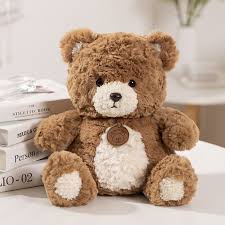
Teddy Bear Plush Toy Wholesale: The Industrial Sourcing Guide for B2B Buyers
Whether you're replenishing inventory for a children's retail chain, planning a branded promotional campaign, or sourcing corporate gift items at scale, teddy bear plush toy wholesale remains one of the highest-volume—and most nuanced—procurement categories in the soft goods sector. Unit economics look simple on paper, but the gap between a profitable bulk order and a costly sourcing mistake often comes down to supplier verification, material specifications, and production-stage quality control.
This guide is built for commercial buyers with real commercial buyer intent: procurement managers, brand owners, promotional merchandise coordinators, and retail chain buyers who need to evaluate manufacturing capabilities, negotiate intelligently, and protect margins on every bulk teddy bear order.

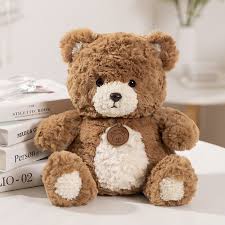
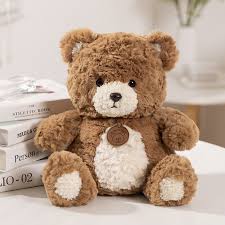
Teddy bear plush toys staged for wholesale evaluation—fabric hand-feel, fill density, and stitching consistency are the first checkpoints.
Quick Answer: What Does Teddy Bear Plush Toy Wholesale Really Involve?
At its core, wholesale plush toy sourcing means securing a reliable OEM plush toy supplier who can deliver consistent quality at volume pricing—typically starting at 500–3,000 units per style for standard designs, or 1,000+ units for fully custom OEM runs. The process spans product sourcing, sample approval, bulk production, third-party inspection, and logistics coordination. Lead times for a complete cycle—from design brief to port-ready shipment—range from 35 to 75 days depending on customization depth and factory capacity.
Buyer Checklist: Evaluating a Custom Teddy Bear Manufacturer
Not every factory that advertises plush toy production has the manufacturing capabilities to handle your specific requirements. Use this verification checklist before committing to a supplier:
- Safety compliance documentation: Confirm EN 71 (EU), ASTM F963 (US), or GB 6675 (China domestic) test reports. According to ASTM International, F963 covers flammability, small parts, and heavy metal limits for toys intended for children under 14.
- Material sourcing transparency: Request fabric composition certificates (polyester plush, cotton blends, recycled PET options) and fill material specs (PP cotton density, hypoallergenic grades).
- Embroidery and printing capability: Evaluate logo sharpness, color matching (Pantone reference), and durability after wash testing.
- Minimum order quantity (MOQ) flexibility: Standard designs may start at 500 pcs; fully custom OEM typically requires 1,000–2,000 pcs per SKU.
- In-house QC team vs. third-party inspection acceptance: A credible custom teddy bear manufacturer will welcome AQL 2.5 inspections at the 30%, 70%, and final stages.
- Packaging and export readiness: Verify inner polybag, individual box, or bulk carton options—and confirm the factory handles export documentation (commercial invoice, packing list, certificate of origin).

Evaluating sample quality: seam strength, fill weight, and embroidery registration are non-negotiable before approving bulk production.
Cost and Value: What Drives Pricing in the Wholesale Plush Toy Industry?
Unit cost in the wholesale plush toy industry is shaped by six primary variables. Understanding these helps you negotiate from a position of knowledge rather than guesswork:
| Cost Driver | Low-Cost Scenario | Higher-Cost Scenario |
|---|---|---|
| Size | 15–20 cm (keychain/promo) | 40–80 cm (retail gift) |
| Fabric | Standard short-pile polyester | Long-pile minky, organic cotton |
| Fill | Standard PP cotton | Weighted pellets, memory foam inserts |
| Customization | 1-color screen print on accessory | Full custom mold, multi-color embroidery, sewn-in tags |
| Order Volume | 3,000+ pcs (best price tier) | 500–999 pcs (small-batch premium) |
| Packaging | Bulk polybag in master carton | Individual gift box, hang tag, retail-ready display |
Typical FOB price range: $1.20–$6.50 per unit for standard 20–40 cm teddy bears at 1,000+ pcs, depending on the variables above. Fully custom OEM designs with proprietary molds can push setup costs to $200–$800 one-time, amortized across the first production run.
OEM Production Workflow: From Brief to Bulk Shipment
Working with a professional OEM plush toy supplier follows a predictable, stage-gated workflow. Here's what to expect—and where to intervene:
1. Design Brief and Quotation (Days 1–5)
Submit your target size, color references (Pantone or physical swatch), fabric preference, fill type, logo placement, accessory details, and packaging requirements. A capable supplier returns a detailed quotation within 2–5 business days, including unit price tiers by quantity, tooling or setup fees, and estimated lead time.
2. Sample Development (Days 6–20)
Expect 7–15 days for a pre-production sample. Review fabric hand-feel, color accuracy, stitching quality, embroidery sharpness, and overall proportion. Approve in writing before production begins—this approved sample becomes your binding quality benchmark for the entire bulk teddy bear order.
3. Bulk Production and In-Line Inspection (Days 21–50)
During production, request in-line quality checks at 30% and 70% completion. Key checkpoints include seam strength (pull-test), fill weight consistency (±5% tolerance), color batch uniformity, and correct label placement. Referencing ISO 8124 (safety of toys) standards at this stage ensures your goods will clear import compliance in most major markets.
4. Final QC, Packing, and Shipment (Days 51–65+)
A final random inspection at AQL 2.5 covers cosmetic defects, dimensional accuracy, and packaging integrity. Goods are then packed per your spec—polybag, individual box, or retail-ready display carton—and dispatched via your chosen freight method (sea, air, or express).
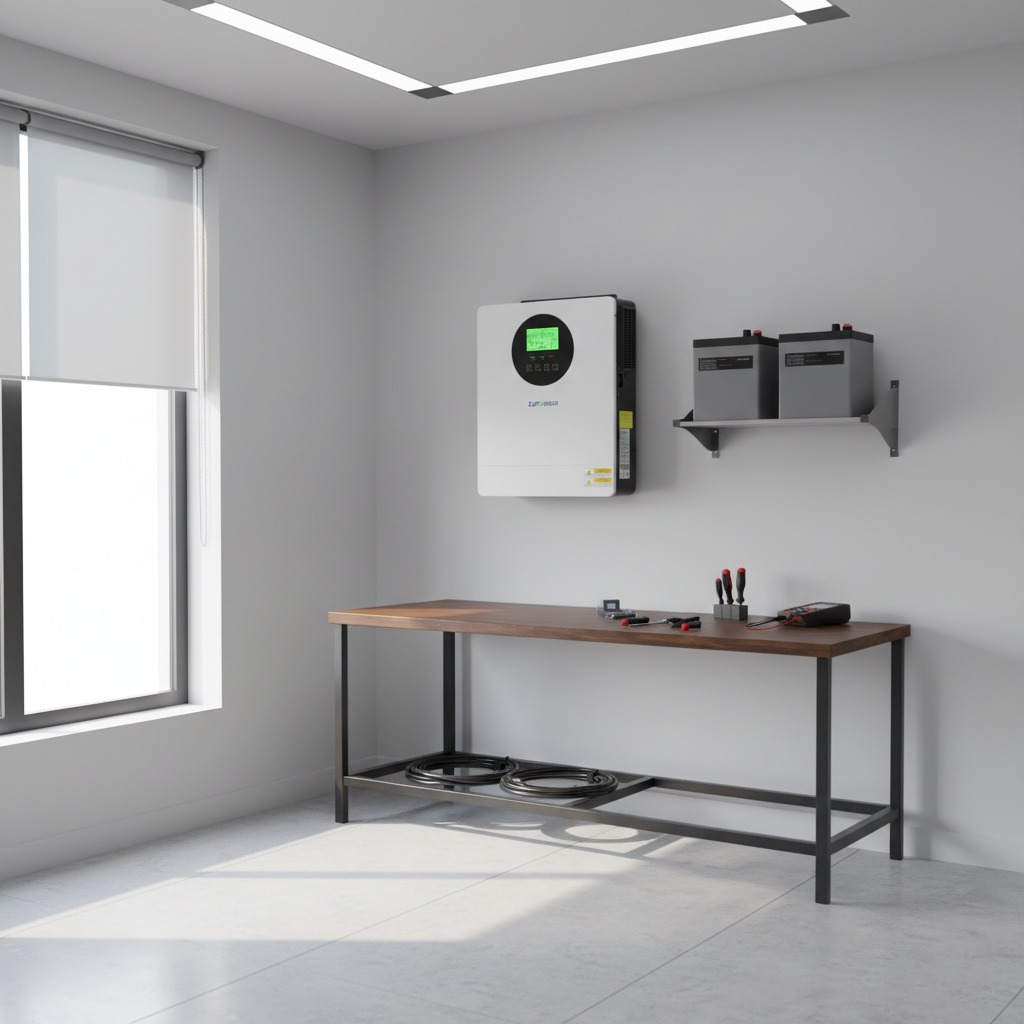
Finished teddy bears packed and staged for export—carton marking, polybag sealing, and pallet configuration are verified before container loading.
Application Scenarios: Who Buys Teddy Bears at Wholesale?
The product sourcing intent behind teddy bear wholesale orders varies widely. Understanding your end-use scenario sharpens every decision from fabric selection to packaging:
- Retail chains and toy stores: Require retail-ready packaging, barcode/UPC labeling, and consistent seasonal restocking. Size range typically 25–60 cm.
- Promotional and corporate gifting: Branded bears with embroidered logos, custom hang tags, and individual gift boxes. MOQs often 1,000–5,000 pcs per campaign.
- Claw machine and amusement operators: High-volume, cost-optimized 15–25 cm bears. Durability under repeated handling is critical; fill density must resist compression.
- Hospital and charity programs: Hypoallergenic fills, child-safe embroidered eyes (no button eyes), and compliance with hospital infection-control wash protocols.
- E-commerce private label: Custom branding, photography-ready presentation, and poly-mailer compatible packaging for direct-to-consumer fulfillment.
Supply Chain Considerations for Repeat Buyers
A single successful order is a starting point, not a strategy. Building a resilient supply chain for ongoing plush toy procurement means:
- Dual-supplier qualification: Maintain at least two approved factories to mitigate capacity bottlenecks during peak seasons (Q3–Q4).
- Safety stock planning: Ocean freight from major plush manufacturing hubs to North America or Europe takes 25–40 days. Factor in 2–3 weeks of safety stock for seasonal demand spikes.
- Annual price agreements: Lock in fabric and fill pricing for 6–12 months to protect against raw material fluctuations, particularly polyester resin pricing.
- Consolidated shipments: Combine teddy bear orders with other soft goods or accessories to optimize container utilization and reduce per-unit freight cost.
Frequently Asked Questions
What is the typical MOQ for a custom teddy bear manufacturer?
Most established factories set MOQs at 1,000–2,000 pieces per design for fully custom OEM orders. Standard catalog designs may be available from 500 pcs. Smaller test orders are sometimes possible at a 15–25% price premium.
How do I verify safety compliance for plush toys?
Request third-party lab test reports for the applicable standard: ASTM F963 (United States), EN 71 (European Union), or GB 6675 (China). Reputable suppliers maintain current certificates and can provide them before sample approval.
Can I order mixed styles in one bulk teddy bear order?
Yes, but each style typically needs to meet the per-SKU MOQ. Mixing 3–5 styles in a single shipment is common and can improve retail assortment without inflating total order volume.
What's the difference between an OEM plush toy supplier and a trading company?
An OEM supplier owns or directly operates the production facility—giving you better price control, faster sample turnaround, and direct QC access. A trading company acts as an intermediary, which can add 8–15% to unit cost and reduce your visibility into production status.
Related Solutions and Resources
Explore more sourcing guides and product categories to support your procurement planning:
- Teddy Bear Plush Toy Wholesale: The Complete B2B Sourcing Guide — deeper dive into supplier negotiation and logistics.
- Browse All Products — explore our full catalog for complementary sourcing opportunities.
- Industry Blog — stay current with procurement best practices, product trends, and sourcing intelligence.
Conclusion: Source Smarter, Not Just Cheaper
Successful teddy bear plush toy wholesale sourcing isn't about finding the lowest unit price—it's about securing a supplier whose manufacturing capabilities, quality systems, and communication standards match your commercial requirements. Every decision from fabric grade to packaging format directly impacts your landed cost, sell-through rate, and brand reputation.
Whether you're placing your first bulk teddy bear order or optimizing an existing supply chain, the right partner makes the difference between a commodity purchase and a competitive advantage.
Ready to start your next order? Submit an inquiry with your design brief, target quantity, and delivery timeline—and our sourcing team will return a detailed quotation within 48 hours.