

How to Pack a Makeup Bag Without Leaks, Breakage, or Brush Damage
A premium makeup bag still performs badly if the packing method is wrong. The fastest way to ruin a beauty kit is to let liquids roll sideways, let powder compacts carry the weight of metal tools, and bury every frequently used item under a pile of extras you never touch.
Before you buy, compare this article with our full makeup bag buying guide, scan the latest posts in the blog hub, and keep the storefront homepage open so you can compare layouts, materials, and bag sizes side by side.
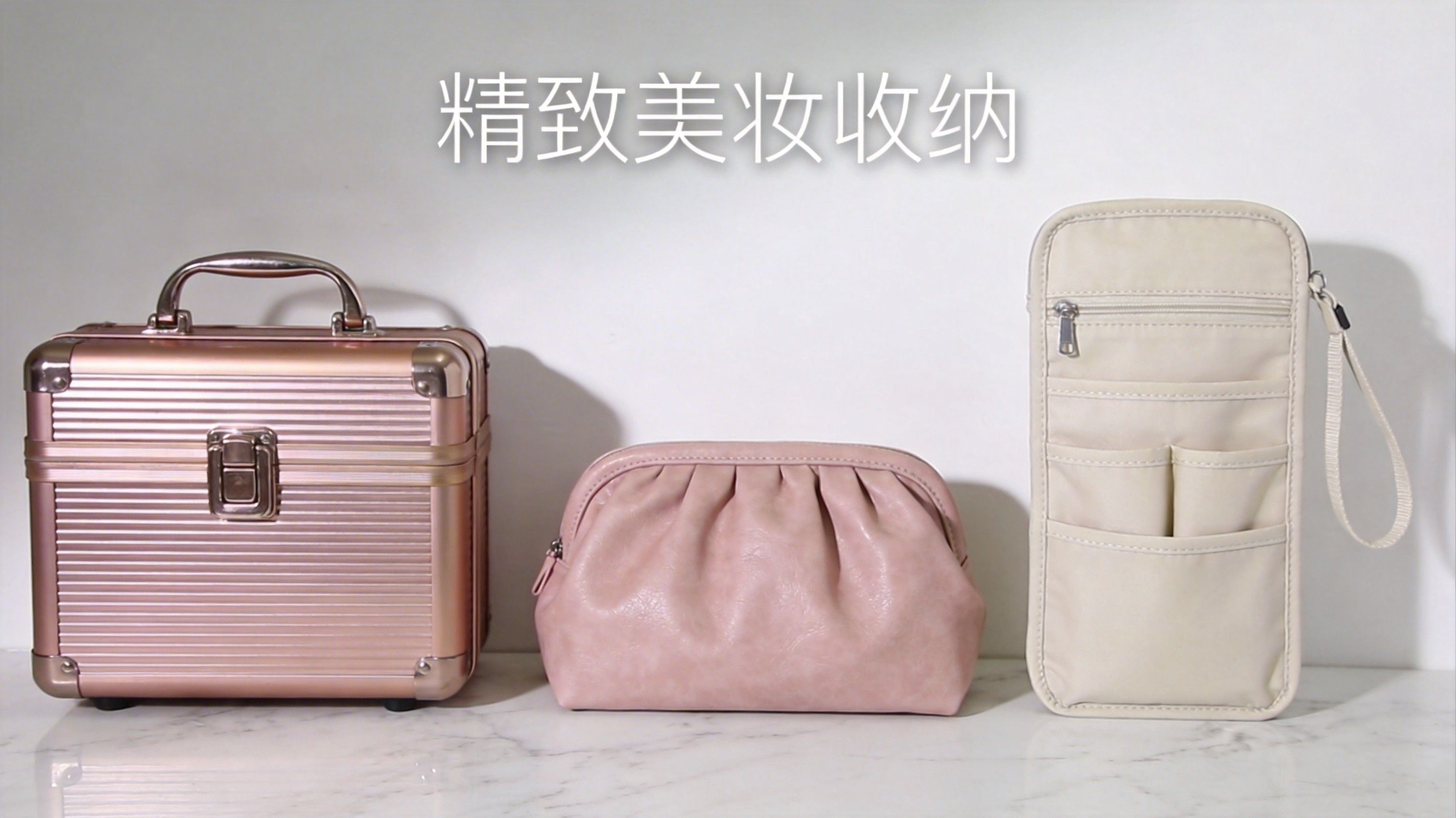
Where most makeup bags fail in real life
- Liquid caps loosen under pressure when bottles travel flat instead of upright.
- Powder products crack when heavy tools or skincare bottles rest directly on top of them.
- Brushes lose shape when they are crushed into corners without a dedicated lane.
- Daily items take too long to find when there is no top layer reserved for fast access.
A useful makeup bag needs to do three jobs at once: protect fragile products, shorten the time it takes to find daily essentials, and make cleanup easy after spills. That means the right product is never just about color or shape. It comes down to divider logic, surface material, zipper reliability, and how well the interior supports your actual routine.
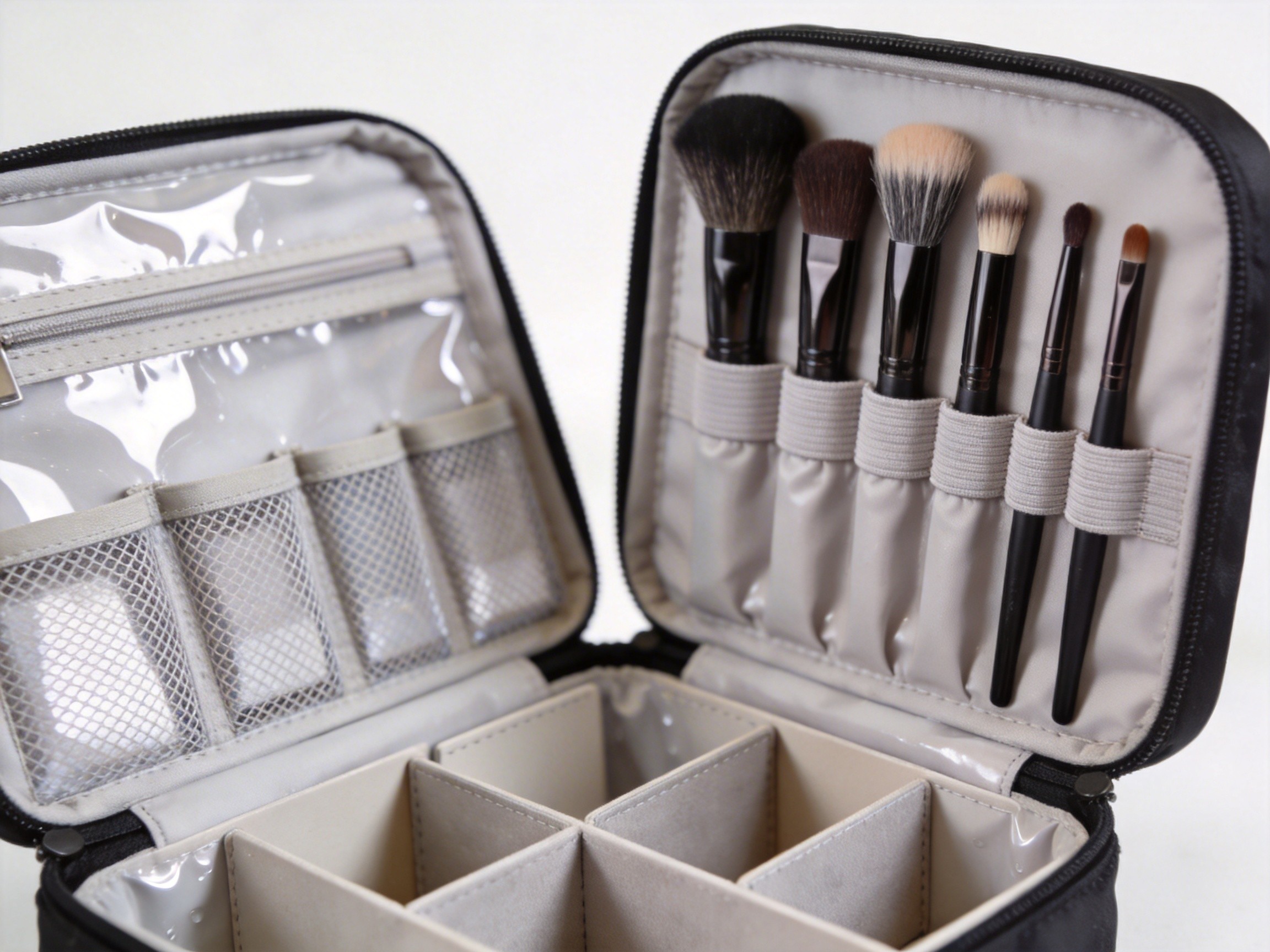
What to check before you choose one
| Checkpoint | What matters |
|---|---|
| Liquid control | Seal and store liquids upright in a single leak-control zone. |
| Powder safety | Keep compacts flat and avoid stacking heavy objects on top. |
| Brush hygiene | Use loops, sleeves, or a covered flap so bristles stay clean. |
| Daily access | Place your top three products nearest the zipper opening. |
| Weekly reset | Remove old samples, empty items, and anything you did not use this week. |
How to organize for speed, not just storage
Group products by when you use them. Daily items should sit at the top or in the easiest-access compartment. Liquids should stay upright in one zone, and tools with sharp edges should stay in a separate pocket or divider lane. That simple structure prevents leaks from contaminating powders and stops small tools from scratching compacts or mirrors. If your current bag feels messy every morning, the issue is usually layout hierarchy, not the number of products you own.
Materials also change the experience. EVA and structured shells hold shape well and photograph nicely, which is useful for premium presentation and gift sets. Softer bags are easier to compress into luggage, but they only work well if the interior still keeps products from sliding into each other. For most buyers, a hybrid organizer with soft walls plus structured dividers gives the best balance of portability and protection.
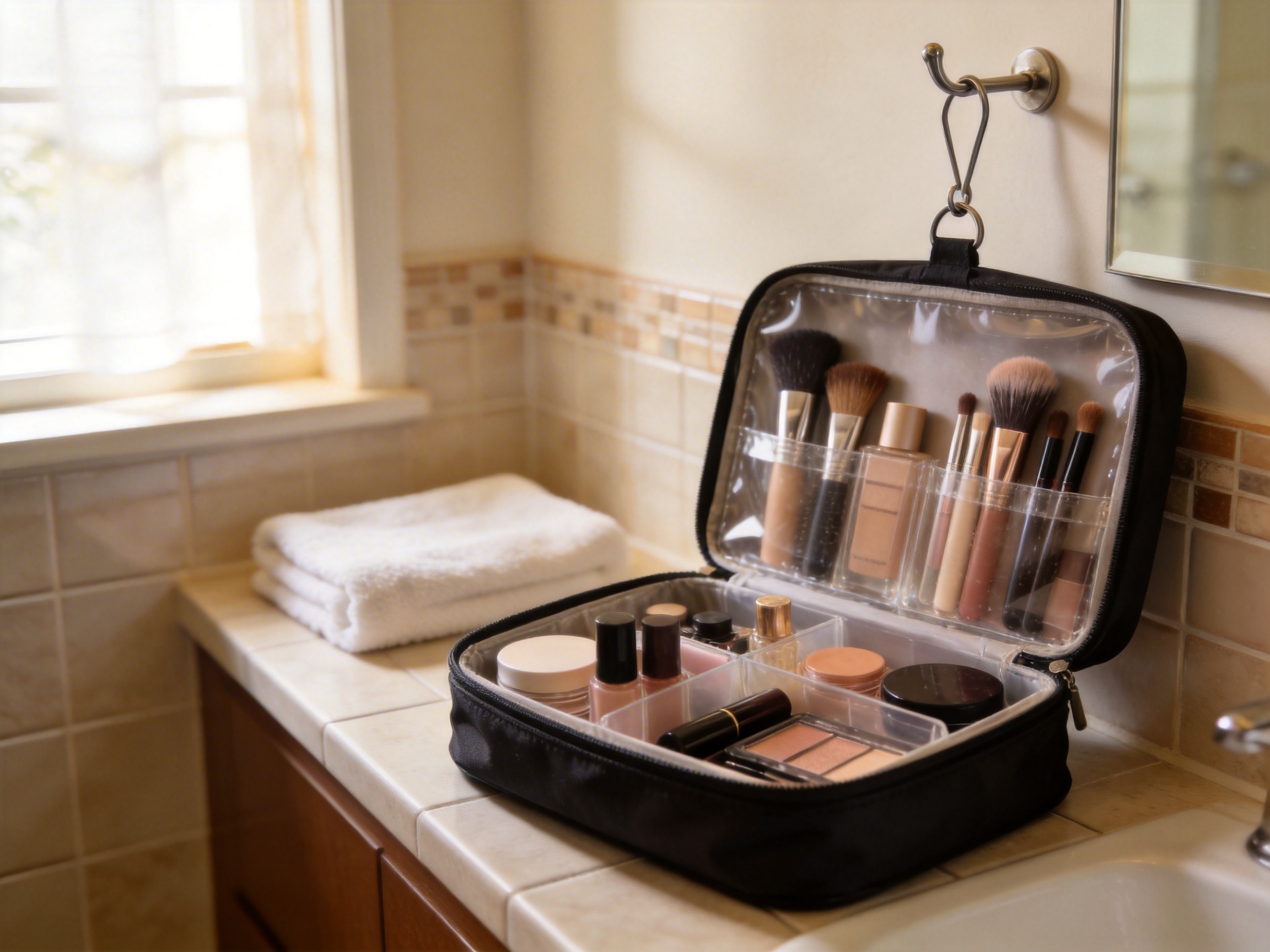
Related articles worth reading next
FAQ
How do I stop foundation from leaking?
Check the cap, store the bottle upright, and separate it from powders and brushes.
Should brushes go in a separate pouch?
A dedicated brush lane or flap is enough for most users if it keeps bristles covered and dry.
Why does my bag still feel messy?
Most bags feel messy because they hold too many low-use items. Trim the kit before changing the organizer.
Final takeaway
Packing discipline matters as much as bag design. Once you separate liquids, powders, and tools into clear zones, your organizer becomes faster to use and much easier to keep clean. A well-designed organizer should save time, protect products, and make travel easier without forcing you to carry a bulky case you do not need.