The Foundation of Industrial Security and Durability
When it comes to securing commercial and industrial facilities, few solutions offer the robust protection and long-term durability of industrial steel doors. These essential components of any building's infrastructure are designed to withstand harsh environments, heavy usage, and significant security threats. For businesses operating in sectors from manufacturing and logistics to retail and construction, the right door is not just an entryway; it is a critical asset that protects property, personnel, and operations. The choice of a door is an investment in peace of mind, operational efficiency, and unwavering security, making it a decision that requires careful consideration of materials, construction, and manufacturing expertise.
The Unmatched Strength of Commercial Security Doors
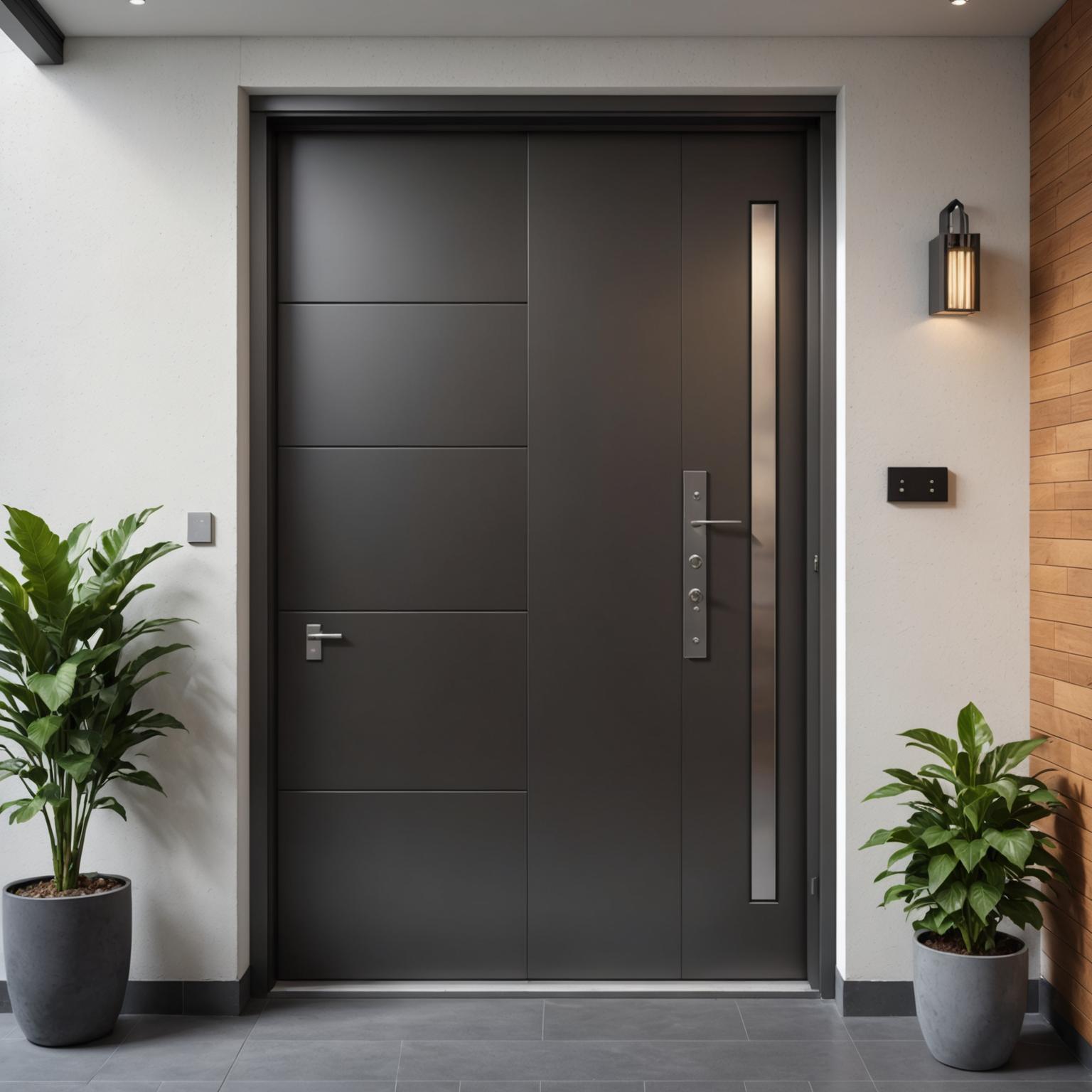
What gives industrial steel doors their formidable reputation is their inherent strength, derived from superior materials and meticulous construction. Unlike residential doors, these are engineered for extreme performance. The process often begins with high-quality cold-rolled steel, which provides a smooth, dense, and strong surface. The thickness of the steel panel and its frame is a critical factor. For instance, while a residential steel door might have a 0.6 mm panel, industrial applications demand thicker gauges, often paired with frames exceeding 1.2 mm or more in thickness. This reinforced construction provides an unyielding barrier against physical impact, forced entry attempts, and the general wear and tear of a high-traffic industrial setting. When properly designed, these commercial security doors serve as the first and most formidable line of defense for any sensitive area, warehouse, or production facility.
The Intricacies of Modern Steel Door Production
The journey from raw steel coil to a finished, functional door is a complex process that relies on advanced technology and skilled craftsmanship. The steel door production process at a specialized facility involves several key stages. It begins with precision cutting and shaping of the steel panels and frames to exact specifications. These components are then expertly bent and welded to form the core structure of the door leaf and frame. An infilling material, such as honeycomb paper for lightweight strength or rock wool for superior fire resistance and insulation, is then inserted into the door leaf cavity. The surface finishing, which can range from a practical powder coating to a sophisticated heat transfer wood grain, not only adds aesthetic appeal but also provides an extra layer of protection against corrosion and environmental damage. Leading manufacturers operate multiple specialized production lines, each tailored to meet the diverse demands of different markets, ensuring every door is built to the highest standard for its intended application.
Beyond Security: The Functional Advantages
While security is the primary driver, the benefits of high-quality commercial security doors extend far beyond preventing unauthorized access. They play a crucial role in environmental control and workplace safety. Doors with high-performance insulation help maintain stable indoor temperatures, reducing heating and cooling costs and creating a more comfortable working environment. Furthermore, specialized fire-rated doors are essential for compartmentation, helping to contain the spread of fire and smoke in an emergency, which is a legal and ethical requirement in many jurisdictions. Acoustic insulation is another significant benefit, as these doors can dampen the noise from heavy machinery, contributing to a safer and less distracting workplace. This multi-faceted functionality underscores their value as a comprehensive building solution, not just a security feature.
Quality Assurance: The Mark of a Trusted Manufacturer
Consistent quality in steel door production is not accidental; it is the result of a rigorous and systematic approach to quality control. A dedicated and professional QC team is essential, overseeing every step of the manufacturing process from raw material inspection to final product testing. This ensures that every door leaving the factory meets stringent internal standards and international certifications, such as CE and Son Cap, which signify compliance with safety, health, and environmental protection regulations. This commitment to quality is what distinguishes a reliable supplier. Customers can be confident that the doors they install have been thoroughly vetted for structural integrity, durability, and performance, guaranteeing a long service life and reliable operation even under the most demanding conditions.
Customization for Diverse Industrial Needs
The modern industrial landscape is incredibly diverse, and a one-size-fits-all approach is rarely effective. Recognizing this, leading manufacturers offer extensive customization for their industrial steel doors. This can include custom dimensions to fit unconventional openings, a wide array of finishes and colors to match corporate branding or architectural styles, and various hardware options like heavy-duty locks, panic bars for emergency exits, and vision panels for visibility. Companies with versatile manufacturing capabilities, such as those with multiple specialized production lines, are best equipped to handle these bespoke requests. Whether for a large-scale construction project or a retail chain's backroom, the ability to tailor a door to specific functional and aesthetic requirements ensures a perfect fit and optimal performance, showcasing the adaptability of modern steel door production.