Tuna Guide: How to Choose, Store, and Use Tuna Effectively
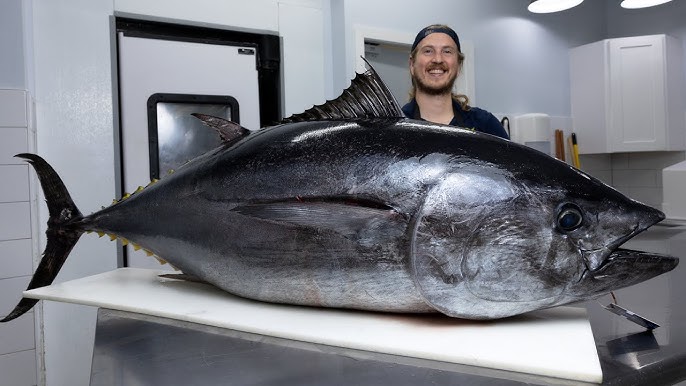
Tuna is one of the most versatile seafood options in global cuisine, valued for its rich flavor, high protein content, and wide range of culinary uses. Whether you’re sourcing tuna for home cooking or business purposes, understanding how to select and handle it properly can make a significant difference in quality and customer satisfaction.
Why Tuna Quality Matters
Tuna quality directly impacts taste, texture, and safety. Fresh tuna should have a firm texture, a clean ocean-like smell, and a vibrant color. Poor-quality tuna often results in dry, bland, or even unsafe dishes.
Common issues include:
- Loss of freshness due to improper storage
- Dark or uneven coloration
- Excess moisture or dryness
Ensuring quality starts with proper sourcing and continues through storage and preparation.
How to Choose Fresh Tuna
Selecting high-quality tuna requires attention to a few key indicators:
Visual Inspection
- Bright, consistent red or pink color
- Minimal browning or discoloration
- Smooth, moist surface
Texture Check
- Firm to the touch
- Springs back when pressed
- Not mushy or overly soft
Smell
- Clean, slightly salty ocean scent
- Avoid strong fishy or sour odors
If you're sourcing in bulk or for commercial use, working with a reliable supplier is critical. You can explore our Tuna Product Page for verified options that meet export standards.
Proper Storage and Handling
Handling tuna correctly preserves its freshness and extends shelf life.
Storage Guidelines
| Storage Method | Temperature | Duration |
|---|---|---|
| Fresh (chilled) | 0–4°C | 1–2 days |
| Frozen | -18°C or below | Up to 3 months |
Best Practices
- Keep tuna refrigerated immediately after purchase
- Use airtight packaging to prevent oxidation
- Avoid repeated freezing and thawing
- Defrost slowly in the refrigerator rather than at room temperature
Popular Ways to Use Tuna
Tuna can be prepared in many ways depending on the cuisine and preference:
Raw Applications
- Sashimi
- Sushi
- Poke bowls
Cooked Dishes
- Grilled tuna steaks
- Seared tuna with spices
- Tuna pasta or salads
Each method highlights different aspects of tuna’s flavor and texture. For example, searing preserves the tenderness while adding a rich crust.
Real-World Example: Supplying Tuna to a Restaurant Chain
One of our clients, a mid-sized restaurant group, faced challenges with inconsistent tuna quality, leading to uneven dish standards across locations. After switching to a more controlled sourcing and handling process:
- Product consistency improved significantly
- Food waste decreased by nearly 20%
- Customer satisfaction ratings increased
This demonstrates how proper tuna sourcing and handling can directly impact business performance.
Conclusion
Tuna is a high-value seafood product that rewards proper selection, storage, and preparation. By focusing on quality indicators and best practices, you can ensure better taste, safer consumption, and improved efficiency—whether at home or in a commercial setting.
If you’re looking to source high-quality tuna with consistent standards, feel free to visit our Tuna Product Page to explore available options.