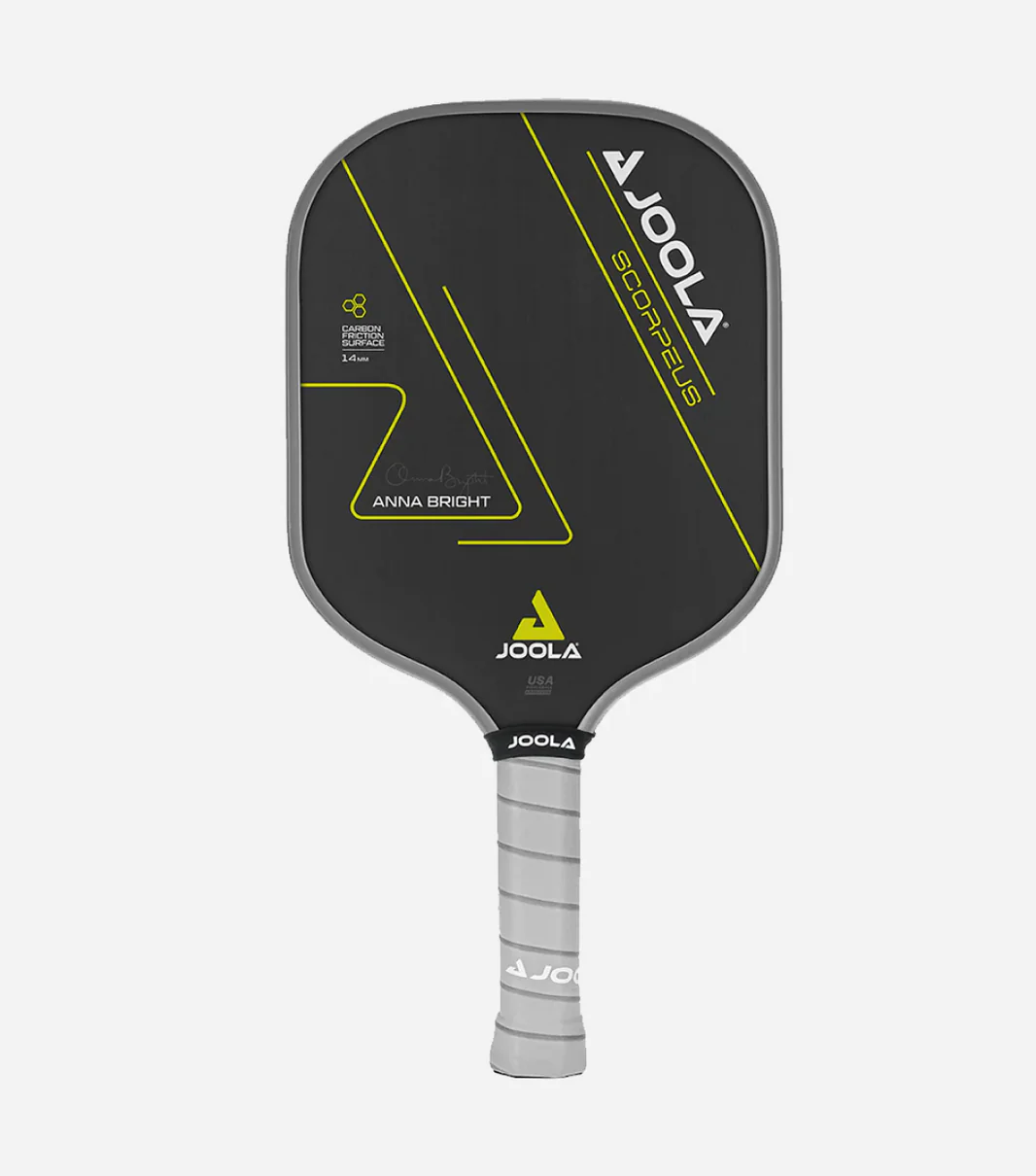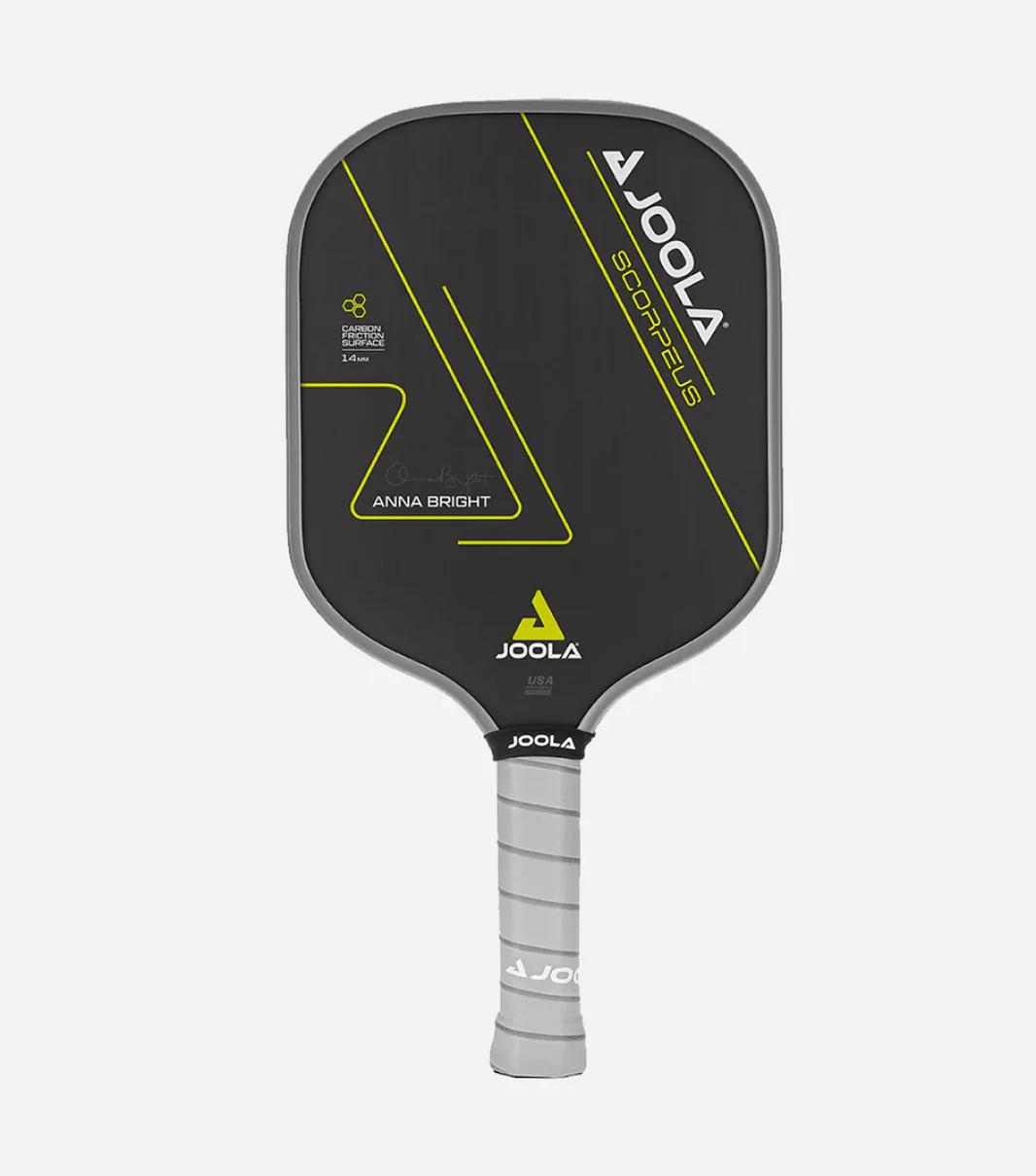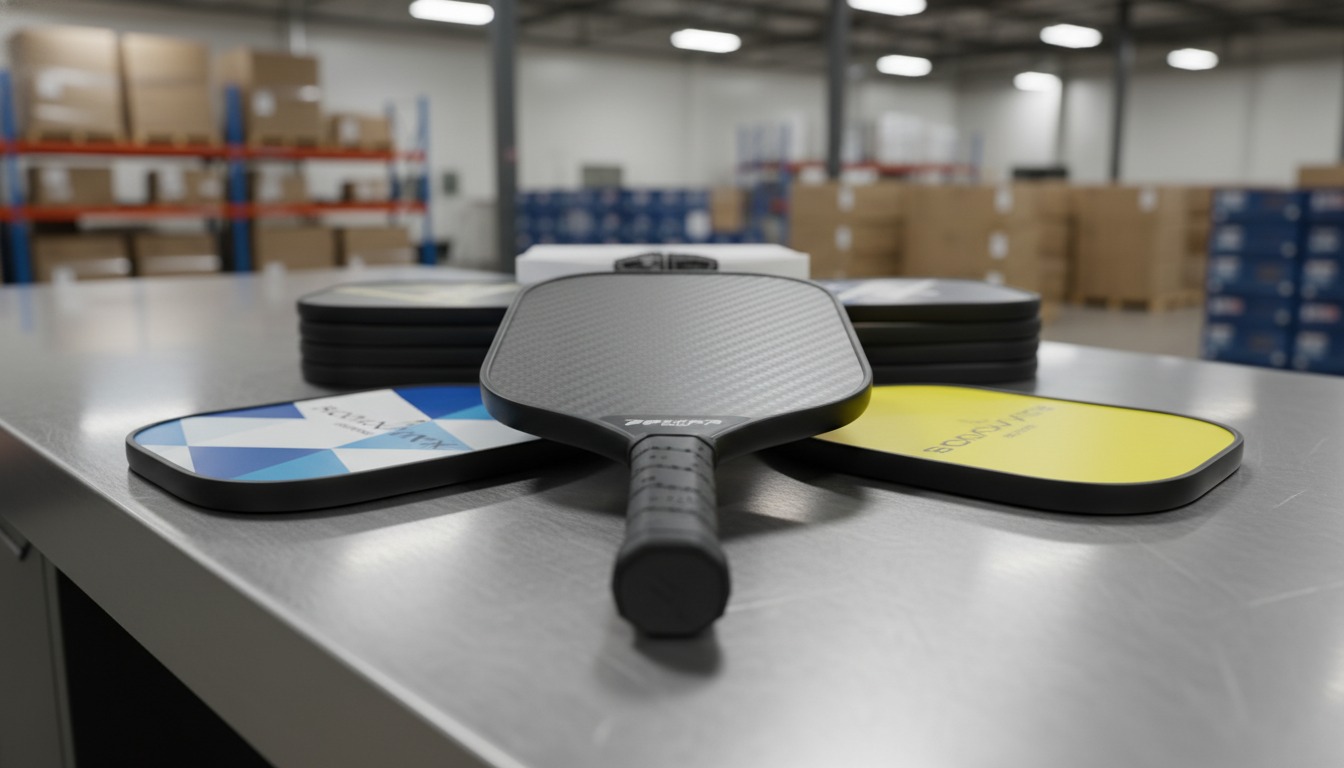
Choosing a Pickleball Paddle Wholesale Distributor
Choosing a Pickleball Paddle Wholesale Distributor works best when it is presented with clear product positioning, practical buyer guidance, and a direct commercial next step. This guide is structured to support both search visibility and real buying decisions.
Quick answer
Choosing a Pickleball Paddle Wholesale Distributor performs best as a commercially grounded buying guide: explain the product fit, show proof, add structured comparison, and move the reader toward a quote or inquiry with confidence.
Why this topic matters
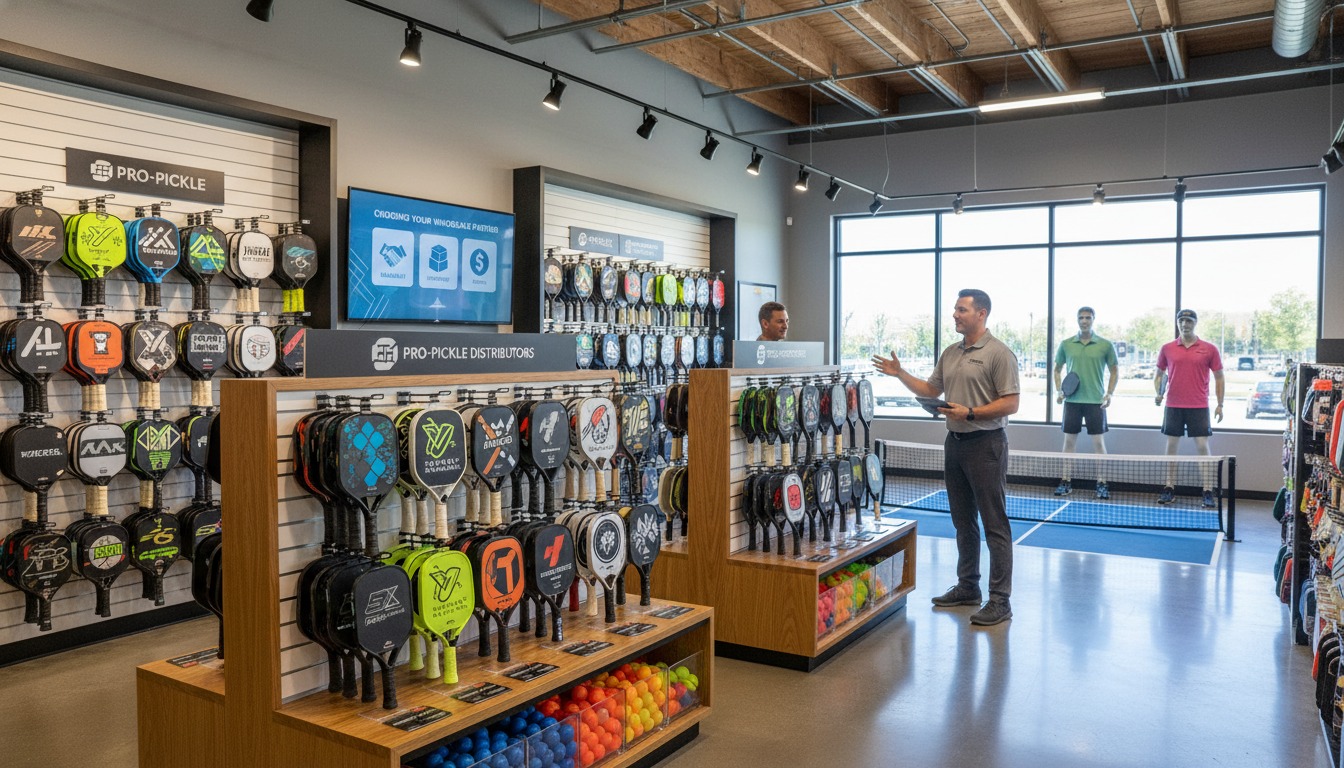
Buyers searching for Choosing a Pickleball Paddle Wholesale Distributor usually need more than surface-level copy. They need selection logic, proof of readiness, and a page that explains how the offer fits their channel, application, and timeline.
Product or solution overview
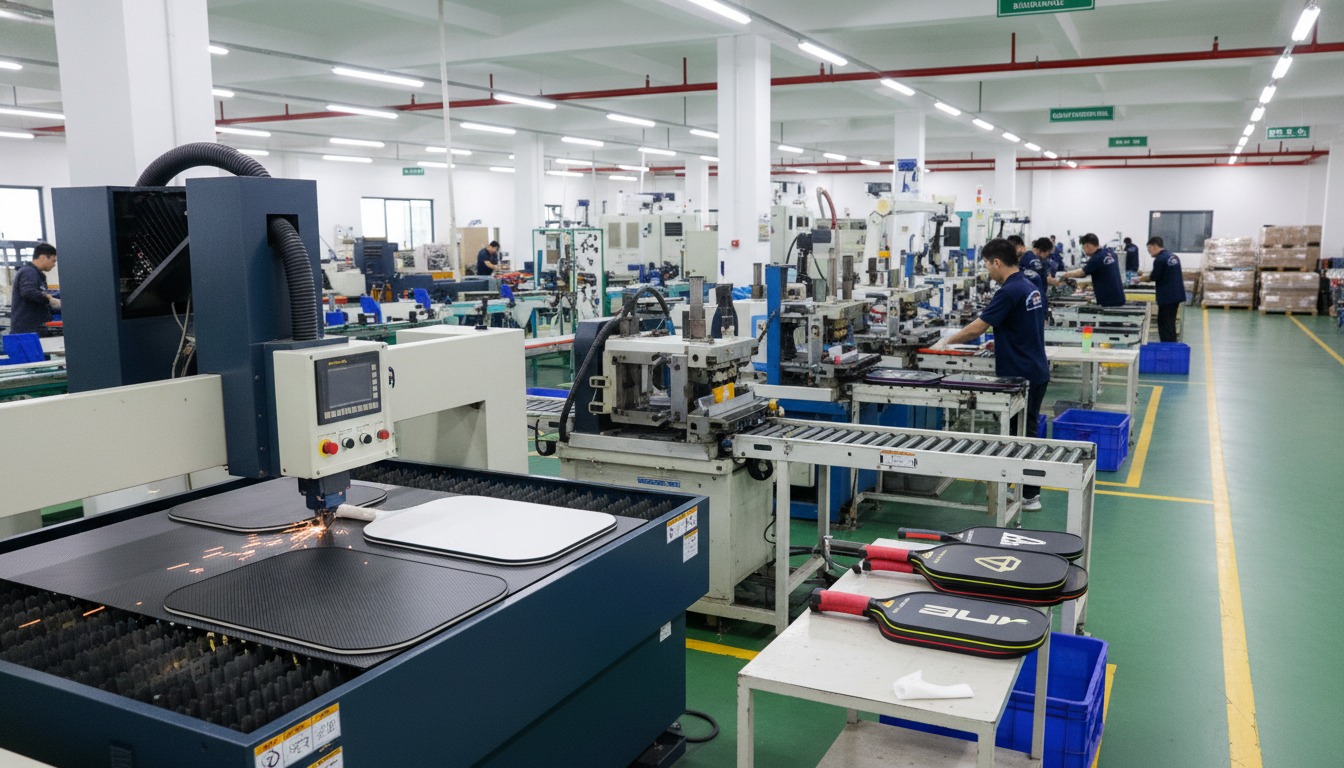
- Choosing a Pickleball Paddle Wholesale Distributor should be presented with clear, buyer-focused language and concrete decision support.
Application scenarios
- Choosing a Pickleball Paddle Wholesale Distributor for retail-ready assortment and merchandising clarity.
- Choosing a Pickleball Paddle Wholesale Distributor for OEM / ODM sourcing and wholesale procurement alignment.
- Choosing a Pickleball Paddle Wholesale Distributor for teams comparing quality, lead time, and delivery readiness before sending an inquiry.
Buyer checklist
Specification table
| Decision factor | What to verify | Why it matters |
|---|---|---|
| Core Choosing a Pickleball Paddle Wholesale Distributor | Model fit, material positioning, and application scope | Prevents mismatched assortment and weak commercial positioning. |
| Manufacturing readiness | MOQ, lead time, QC checkpoints, packaging, and export support | Supports reliable rollout and cleaner procurement handoff. |
| Commercial assets | Images, specifications, comparison guidance, and inquiry path | Improves both SEO performance and buyer conversion. |
Comparison or decision matrix
| Buyer priority | Recommended emphasis | Commercial takeaway |
|---|---|---|
| Fast launch | Lead-time visibility, in-stock or quick-ship options, simple CTA | Best when the buyer needs to reduce time-to-market. |
| Premium brand story | Better imagery, material proof, craftsmanship, differentiated messaging | Best when the buyer needs higher perceived value and stronger content reuse. |
| OEM / wholesale scale | Customization, QC, packaging, logistics, and quote workflow | Best when the buyer needs scalable procurement confidence. |
Production or implementation capability
Start with a strong overview of Choosing a Pickleball Paddle Wholesale Distributor, then support it with concrete application language, media, and a clear path to contact or request a quote. If the business supports OEM or wholesale, explain lead time, packaging, and production coordination plainly.
Proof or quality assurance
Trust grows when the page shows real proof: quality-control language, manufacturing consistency, standards awareness, packaging clarity, and an honest explanation of what buyers can verify before ordering.
Internal resources and recommended products
Use this topic as a structured landing-page and content asset: connect it to your product catalog, keep the copy grounded in real specifications and media, and end with a clear sales action.
Related resources
FAQ
What should buyers compare first?
Start with the commercial fit of Choosing a Pickleball Paddle Wholesale Distributor: positioning, application fit, and how clearly the page explains why this option is right for the buyer.
How important are real specifications?
They are essential because buyers need proof, not vague claims. Dimensions, materials, packaging, and performance detail reduce uncertainty and improve conversion.
What role do images play in SEO and GEO?
Strong cover and inline images improve scanability, dwell time, and answer-engine extraction when the visuals reinforce the exact section intent.
Should the page address both retail and wholesale?
Yes, when the business serves both. The copy should keep the retail value clear while also explaining MOQ, OEM support, and delivery readiness for B2B buyers.
How many internal links are appropriate?
At least three useful internal links are ideal so the article can connect buyers to products, related guides, and a direct inquiry path without feeling spammy.
What should the FAQ section achieve?
It should resolve the questions buyers ask before contact, including price logic, lead time, quality assurance, customization, shipping, and fit-for-use concerns.
How can the article support GEO visibility?
Use direct-answer paragraphs, strong heading hierarchy, structured tables, and clear factual language so answer engines can quote the article cleanly.
When should OEM or factory capability be mentioned?
Mention it early whenever the business supports customization or large-volume supply, because procurement buyers need that confidence before they inquire.
Do third-party references matter?
Yes, when they support real standards or market context. Use only credible references and never invent data or certifications.
What is the right CTA for this type of article?
Invite the reader to contact the team, request a quote, or review the most relevant product options with a clear next step.
Conclusion and CTA
Choosing a Pickleball Paddle Wholesale Distributor content performs best when it combines SEO depth, AI-friendly structure, and a practical commercial next step. Invite the reader to contact your team, request a quote, or review the best-fit solutions without unnecessary friction.