The Unseen Guardian of Your Vehicle: A Deep Dive into Brake Fluid Manufacturing
At the heart of every vehicle's safety system lies a critical, yet often overlooked, component: brake fluid. This hydraulic fluid is the lifeblood of your braking system, translating the force from your foot on the pedal into the power that stops your car. The process of brake fluid manufacturing is a highly sophisticated science, demanding precision, advanced technology, and an unwavering commitment to quality. Companies like Zhejiang Gafle Auto Chemical Co., Ltd. have dedicated themselves to mastering this craft, ensuring that every driver can trust the system that protects them. Understanding the journey of this essential fluid from a chemical concept to the sealed container in your vehicle reveals a world of meticulous engineering and stringent quality control.
The Science and Standards of Brake Fluid
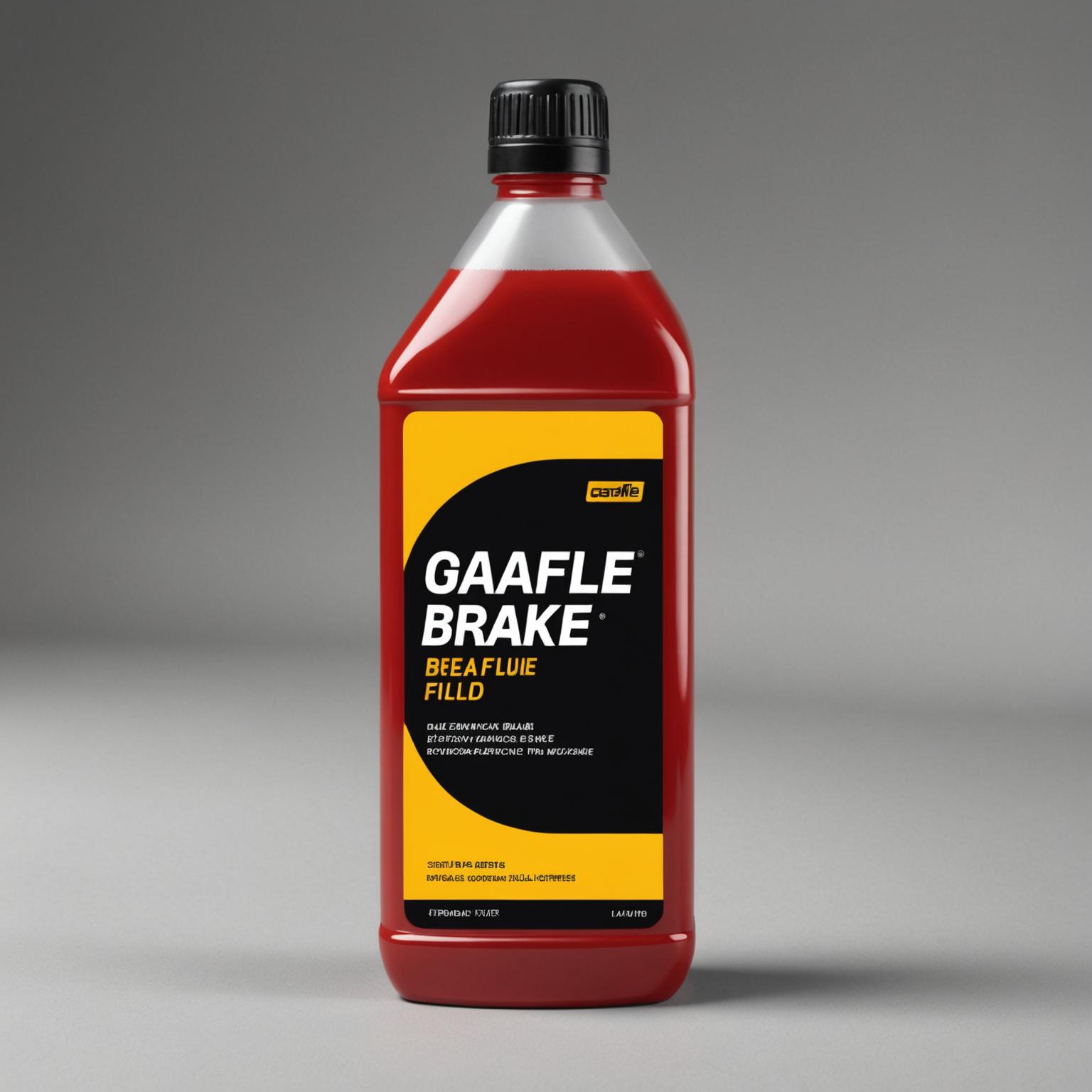
Brake fluid is not a simple oil; it is a complex chemical formulation designed to perform under extreme conditions. Its primary function is to remain incompressible to effectively transfer pressure, but its performance characteristics go much deeper. Key properties include a high boiling point to prevent vapor lock during heavy braking and low viscosity to function in cold climates and with modern Anti-lock Braking Systems (ABS). The industry primarily uses standards set by the Department of Transportation (DOT), with common types being DOT 3, DOT 4, and DOT 5.1. These classifications are based on their boiling points (both dry and wet) and chemical composition. Advanced formulations, such as Gafle's High Performance Brake Fluid, utilize technologies like borate ester synthesis to surpass these standards, offering exceptional performance, lower viscosity at cold temperatures, and superior heat resistance, making them ideal for high-performance vehicles and demanding driving conditions.
Inside a Modern Brake Fluid Factory
A modern brake fluid factory is a testament to precision engineering and chemical expertise. The process begins with the careful selection and testing of raw materials, typically glycol ethers and borate esters, which form the base of the fluid. These raw materials are then subjected to a synthesis process in specialized reactors under controlled temperature and pressure. Additives are then precisely blended into the base fluid to enhance its properties, providing corrosion resistance, lubrication, and pH stability. At a state-of-the-art brake fluid factory like Zhejiang Gafle's 5,000 square meter facility, this entire process is highly automated. Advanced intelligent filling lines handle the packaging, ensuring that each container is filled without contamination. With an annual capacity of 10,000 tons of brake fluid, such facilities are capable of meeting significant global demand while maintaining the highest quality standards.
The Crucial Role of Quality Control in Manufacturing
Throughout the brake fluid manufacturing journey, quality control is paramount. From the initial raw material analysis to the final packaged product, every stage undergoes rigorous testing. A leading facility is equipped with comprehensive testing instruments to measure critical parameters like the Equilibrium Reflux Boiling Point (ERBP), wet boiling point, kinematic viscosity at various temperatures, and corrosion effects on different metals found in a braking system. This ensures that every batch meets or exceeds international standards such as ISO 9001 and IATF 16949. Companies that are serious about safety, like Gafle, which holds qualifications for HZY3, HZY4, HZY5, and HZY6 brake fluids, invest heavily in their testing capabilities. This commitment guarantees that the fluid will perform reliably under the immense pressures and temperatures it will face in a vehicle's braking system.
Choosing Reputable Brake Fluid Suppliers
For automotive brands, repair shops, and discerning vehicle owners, selecting from the vast market of brake fluid suppliers can be a challenge. The key is to look for suppliers who can demonstrate a history of quality, innovation, and reliability. Certifications are a primary indicator; credentials like ISO 9001, ISO 14001, and especially the automotive-specific IATF 16949, signal a supplier's adherence to the highest global standards. Furthermore, a supplier's investment in research and development, such as Gafle's collaboration with Zhejiang Normal University, indicates a commitment to advancing the technology. Reputable brake fluid suppliers also act as partners to their clients, offering OEM services to help other brands deliver quality products to the market. With a portfolio of serving over 90 renowned brands globally, a supplier proves its trustworthiness and its capability to deliver excellence consistently.
Innovation Driving Vehicle Safety Forward
The automotive industry is in constant evolution, and brake fluid technology must evolve with it. The rise of high-horsepower sports cars and sophisticated electronic safety systems like ABS and Electronic Stability Control (ESC) demands fluids with faster response times and greater stability. This is where innovation in brake fluid manufacturing truly shines. By developing low-viscosity formulas that flow exceptionally well at cold temperatures, manufacturers ensure that these safety systems can react instantaneously. The Gafle High Performance Brake Fluid is a prime example, engineered with advanced borate ester technology not just to meet, but to redefine performance expectations. This continuous drive for improvement, rooted in a core mission to deliver high-quality products and a vision to enhance vehicle safety, is what separates industry leaders from the rest of the pack. It’s a commitment to making car life safer for everyone on the road.