What B2B Buyers Need to Know About Sourcing Auto Essentials
Whether you manage a fleet operation, run a wholesale distribution channel, oversee a repair shop, or source parts for an OEM assembly line, finding the right auto components at the right price from a dependable supplier is the single biggest factor that separates profitable operations from costly downtime. This guide is built around real buyer intent—the questions procurement teams actually ask before committing to a purchase order.
Below, we break down the most important application scenarios, walk through a practical selection checklist, compare common sourcing approaches, and explain how high-conversion blog content on a well-maintained B2B blog can shorten your evaluation cycle and connect you with the right supplier faster.
Why Auto-Related B2B Content Matters for Buyer Intent

In the auto industry, purchasing decisions rarely happen on impulse. A fleet manager evaluating industrial valves for tanker transport, a shop owner comparing cutting tools, or a distributor vetting a new accessory line all follow a research-heavy path. They search for specifications, compatibility data, maintenance planning guidance, and supplier credibility signals long before they ever request a quote.
That's precisely why high-conversion blog content exists: to meet buyers at the moment of research and provide the depth they need to move from consideration to inquiry. A strong B2B blog doesn't just attract traffic—it qualifies leads by answering the exact questions that signal genuine buyer intent.
Key Signals of High Buyer Intent in Auto Sourcing
- Specification searches — queries that include pressure ratings, material grades, dimensional tolerances, or compliance standards.
- Comparison queries — searches pitting one product type against another (e.g., ball valve vs. butterfly valve for tanker unloading).
- Application-specific questions — "Which valve type works best for chemical transport?" or "What blade grade handles reinforced concrete?"
- Supplier evaluation queries — searches for MOQ policies, lead times, certifications, and after-sales support.
When your content addresses these signals directly, conversion rates climb because you're serving buyers who are already close to a decision.
Application Scenarios: Where Auto Essentials Make the Difference

The term "auto" in B2B sourcing covers a wide spectrum—from automotive parts and transport equipment to automated industrial systems. Here are the most common application scenarios where sourcing the right product has an outsized impact on safety, efficiency, and cost.
1. Fleet and Transport Operations
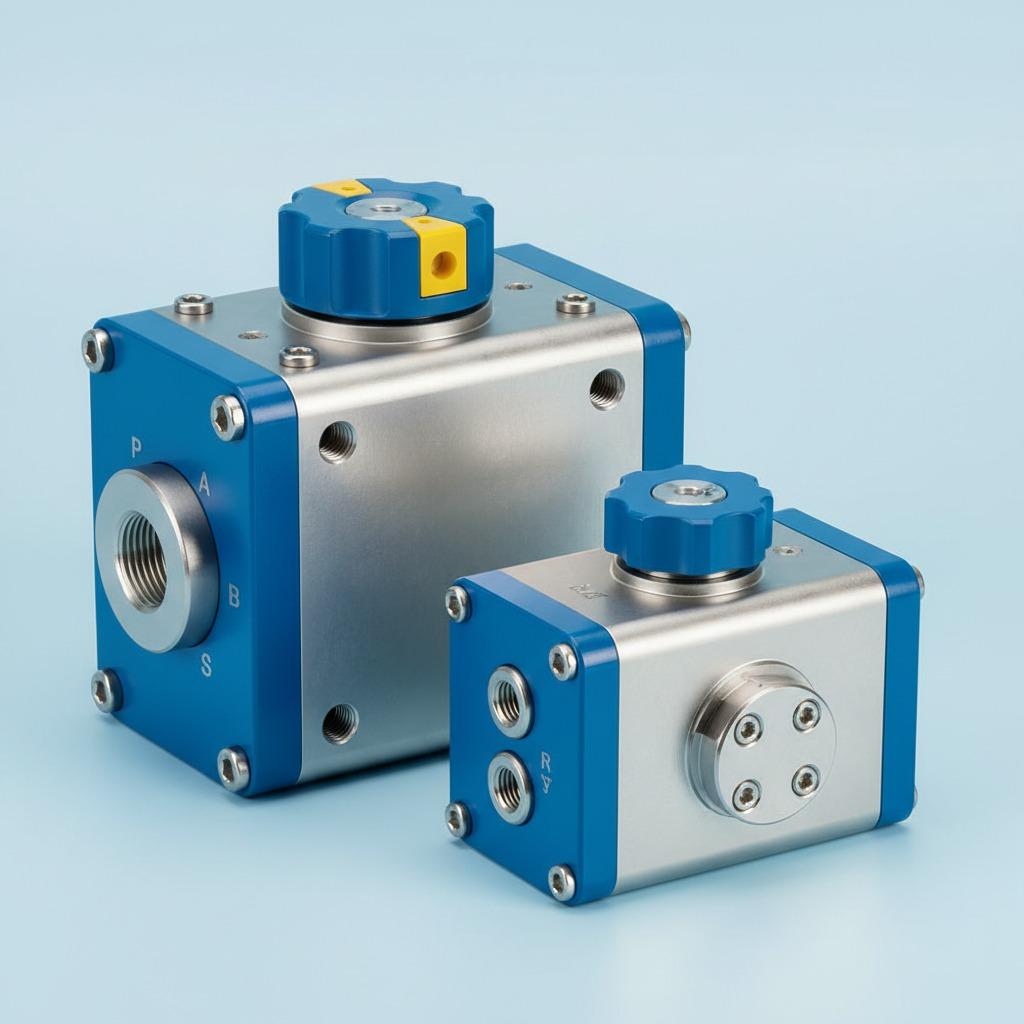
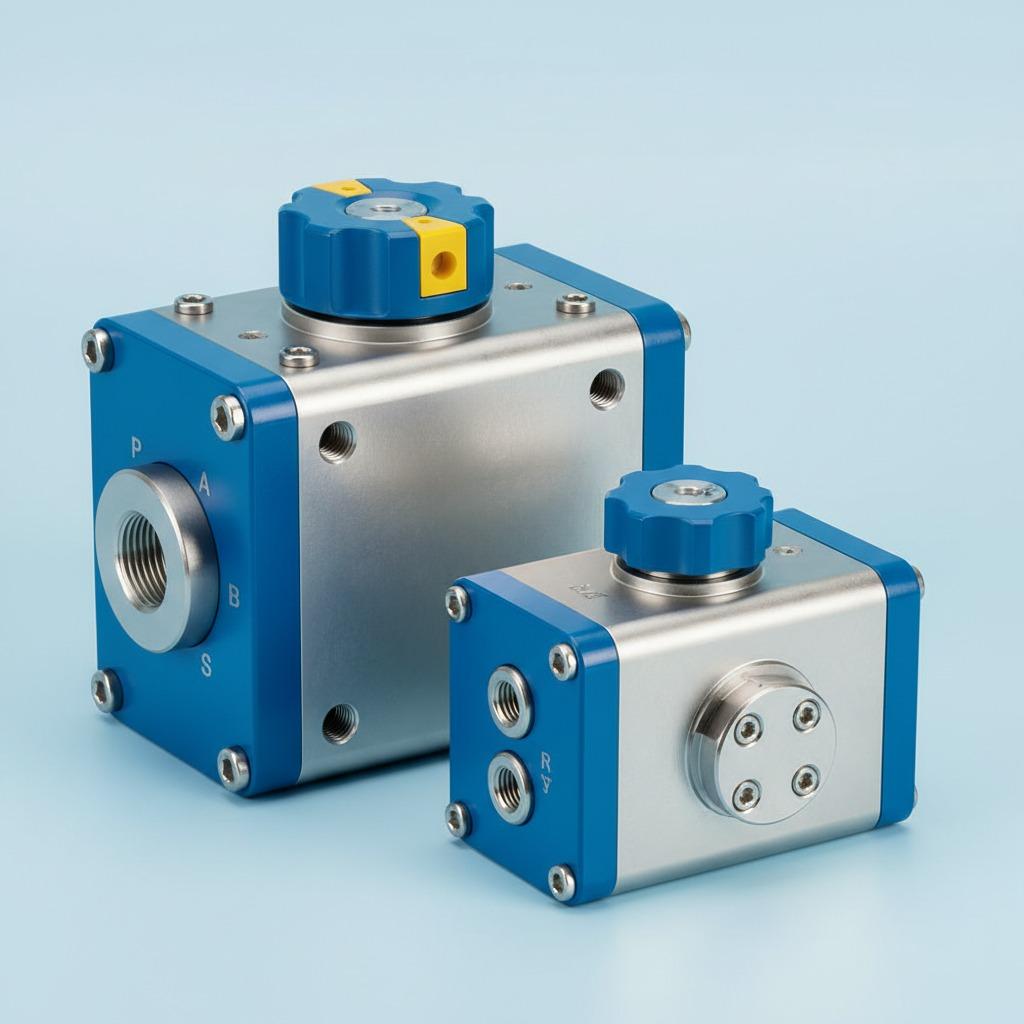
Tanker fleets, logistics companies, and municipal transport agencies need valves, seals, hoses, and monitoring equipment that meet strict safety and regulatory requirements. The wrong component choice can lead to leaks, compliance violations, or unplanned downtime that costs thousands per hour.
2. Repair Shops and Aftermarket Distribution
Independent repair shops and aftermarket distributors evaluate auto parts on a cost-per-use basis. They need reliable supply chains, consistent quality across batches, and a supplier who can scale with seasonal demand spikes.
3. OEM and Manufacturing Integration
Original equipment manufacturers require components that integrate seamlessly into existing production lines. Here, engineering cooperation—discussing testing logic, layout adaptation, and maintenance planning before the order is released—separates a transactional vendor from a long-term partner.
4. Precision Cutting and Fabrication
Auto body shops, fabrication facilities, and construction teams working on vehicle infrastructure rely on precision tools. A product like the Diamond Blade: Precision Cutting Mastery Redefined exemplifies the kind of tool where material grade, segment design, and RPM compatibility directly affect cut quality and operator safety.
Selection Criteria: A Decision Checklist for B2B Auto Buyers
Before you request a quote, run through this checklist to ensure you're comparing suppliers on the factors that actually matter.
- Material and build quality — Does the product meet the mechanical and chemical demands of your specific application?
- Compliance and certifications — Are relevant industry standards (ISO, SAE, DOT, or regional equivalents) documented and verifiable?
- MOQ and pricing structure — Does the supplier offer flexible minimum order quantities and transparent tiered pricing?
- Lead time and logistics — Can the supplier meet your delivery windows, and do they have experience shipping to your region?
- After-sales support — Is there a clear process for warranty claims, technical support, and reorder management?
- Engineering cooperation — Will the supplier collaborate on testing, customization, or layout adaptation before production?
- Content and documentation — Does the supplier provide detailed spec sheets, installation guides, and maintenance schedules?
Sourcing Approaches Compared: Direct vs. Distributor vs. Online B2B
| Factor | Direct from Manufacturer | Regional Distributor | Online B2B Platform |
|---|---|---|---|
| Unit Cost | Lowest at volume | Moderate markup | Varies; competitive for mid-volume |
| MOQ Flexibility | Often high MOQ | Lower MOQ, stock availability | Flexible; some offer single-unit |
| Lead Time | Longer (production cycles) | Shorter (local stock) | Variable; depends on fulfillment model |
| Customization | Full engineering support | Limited | Limited to listed options |
| Quality Assurance | Direct QC access | Relies on manufacturer QC | Platform-dependent verification |
| After-Sales Support | Strong, direct relationship | Moderate | Varies widely |
| Best For | High-volume, custom specs | Urgent needs, smaller orders | Research, comparison, initial orders |
For most B2B auto buyers, the ideal strategy combines online research with direct supplier engagement. Start by browsing a curated product catalog to shortlist options, then move to a direct inquiry for pricing, samples, and engineering discussion.
How High-Conversion Blog Content Supports the Auto Buying Cycle
A well-structured B2B blog does more than rank on search engines. It serves as a trust-building asset at every stage of the buying cycle:
Awareness Stage
Educational articles introduce buyers to product categories, explain terminology, and outline common application scenarios. This is where a buyer first encounters your brand as a knowledgeable source.
Consideration Stage
Comparison guides, selection checklists, and technical deep-dives help buyers narrow their options. Content that addresses real buyer intent—like "which valve type is better for tanker unloading?"—captures searchers who are actively evaluating solutions.
Decision Stage
Case studies, FAQ sections, and clear calls to action (like a quote request form) convert informed visitors into qualified leads. A responsive inquiry process with clear timelines for quotes and sample requests is the final trust signal that closes the loop.
For more in-depth sourcing strategies, explore our blog for additional buying and application guidance across multiple product categories.
Recommended Products and Related Solutions
While your specific auto sourcing needs will vary, here are products from our catalog that demonstrate the quality and precision our buyers expect:
- Diamond Blade: Precision Cutting Mastery Redefined — Ideal for auto body fabrication, infrastructure cutting, and precision applications where blade quality directly impacts output.
- Franklin Signature Pickleball Paddle — An example of our commitment to quality across product lines, demonstrating the same sourcing rigor applied to every category we serve.
- Experience Excellence with the Ultimate Coffee Machine — For fleet break rooms, dealership lounges, or office environments where staff and client experience matters.
Browse the full product catalog to compare options across categories.
Frequently Asked Questions
What makes blog content "high-conversion" for auto B2B buyers?
High-conversion blog content directly addresses the questions buyers ask during their sourcing process—specification comparisons, application fit, compliance requirements, and supplier evaluation criteria. It moves beyond generic descriptions to provide actionable decision-support information.
Which valve type is better for tanker unloading?
It depends on the medium, sealing requirement, pressure, cleaning needs, and operator workflow. Ball valves are often preferred for shutoff reliability, while butterfly valves may be more attractive where compact layout and weight savings matter more. Always confirm with your supplier based on your specific application scenario.
How do I evaluate a new auto parts supplier?
Start with the selection checklist above. Prioritize suppliers who offer engineering cooperation, transparent documentation, verifiable certifications, and a responsive inquiry process with clear timelines for quotes and samples.
How often should a B2B blog publish new content?
Consistency matters more than frequency. A well-maintained blog that publishes one to two thoroughly researched articles per week—covering real buyer questions—will outperform a blog that publishes daily filler content with no strategic intent.
Can I request samples before placing a bulk order?
Most reputable B2B suppliers support sample requests. Use our inquiry page to start the conversation, specify your application requirements, and request samples alongside your quote.
Conclusion: Turn Auto Sourcing Research into Confident Decisions
The best auto sourcing decisions start with the right information. A strong B2B blog built around genuine buyer intent and real-world application scenarios doesn't just attract visitors—it builds the trust and clarity that turn research into purchase orders. Whether you're evaluating valves for transport, blades for fabrication, or any other auto essential, the checklist and comparison framework above will help you move faster and source smarter.
Ready to take the next step? Submit an inquiry to discuss your specific requirements, request samples, or get a customized quote. Our team responds with clear timelines so you can plan with confidence.