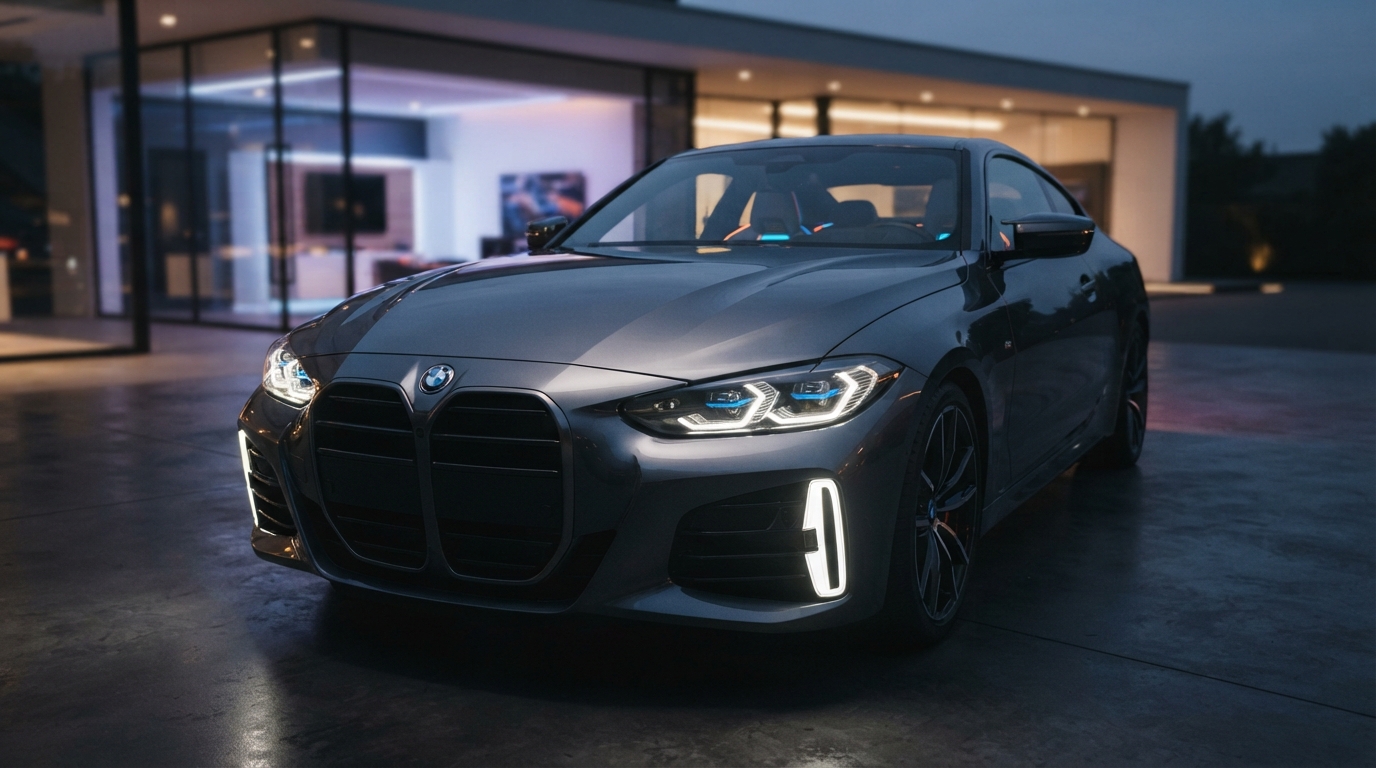
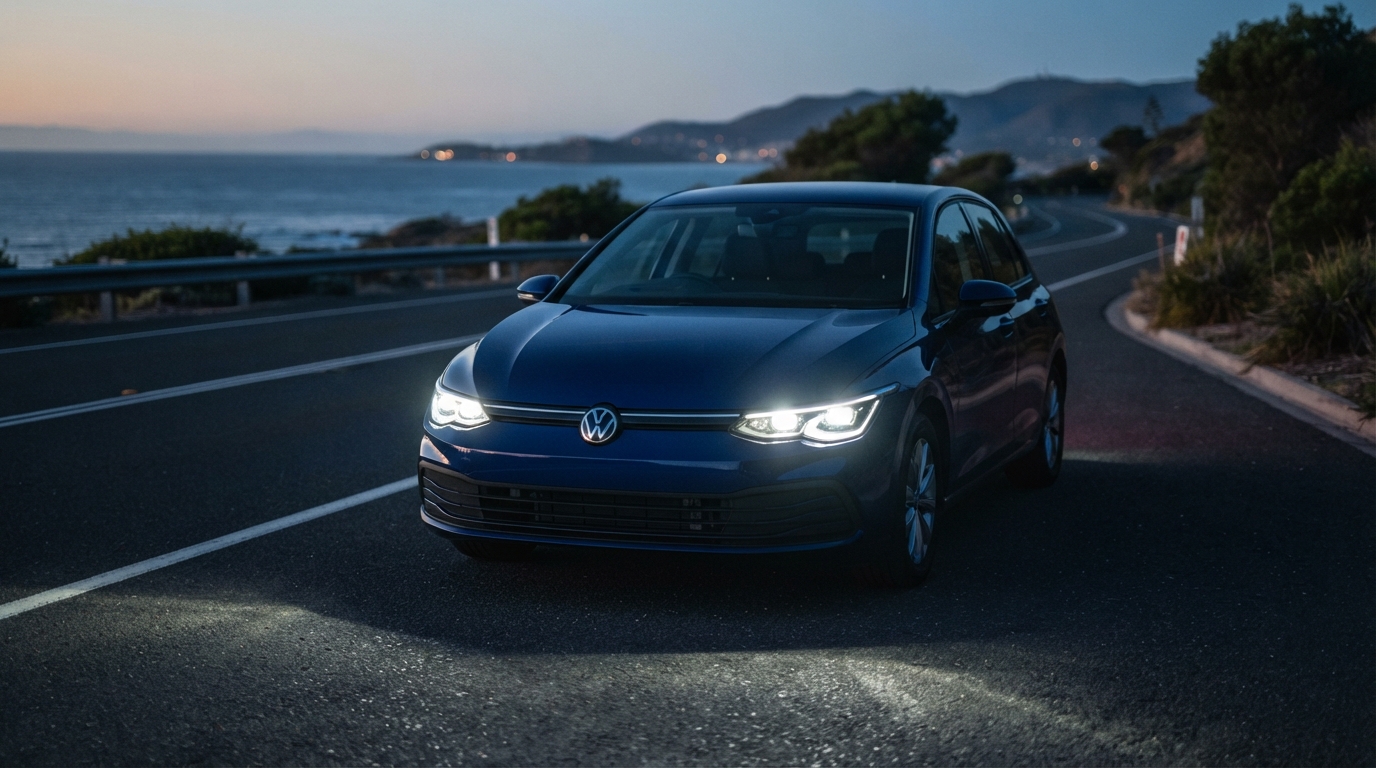
! car light Young car owner's headlight upgrade cover
A Guide for Young People Choosing Car Lights: From LED Headlights to Ambient Lighting, How to Make Your Car Safer and More Stylish
For young car owners, car lights are no longer just a tool to "illuminate the road." They are related to nighttime driving safety and also affect a car's technological feel, visibility, and overall style. Whether you're looking for clearer nighttime visibility or want to create a more ambiance inside and outside the car, understanding the characteristics of different types of car lights is important.
Common automotive lighting technologies include halogen lamps, HID xenon lamps, LED headlights, laser headlights, matrix LED headlights, and ambient lighting. Different types are suitable for different usage scenarios and have their own advantages and disadvantages. This guide will start from the needs of young car users to help you quickly understand the selection logic of car lighting.
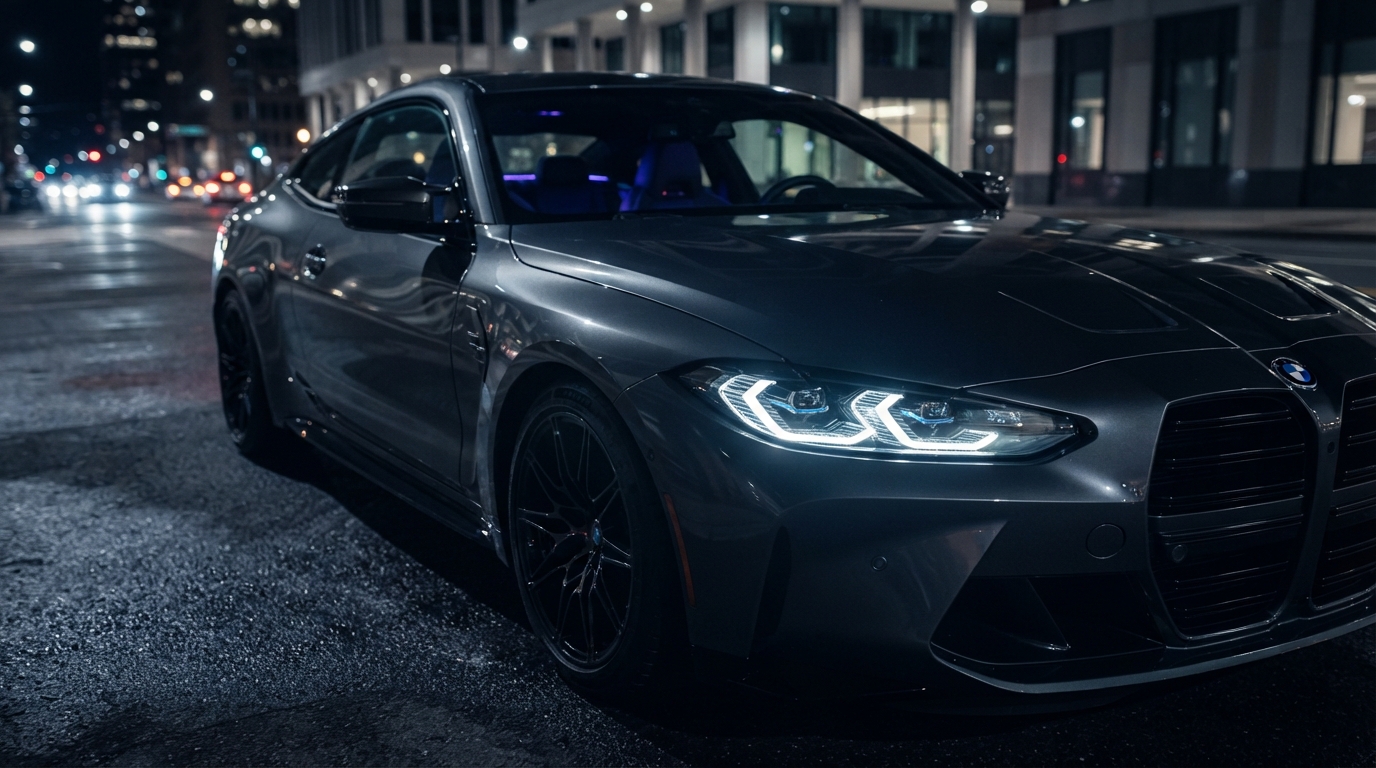
Why is car lighting becoming increasingly important for young car owners?
When young people buy, modify, or upgrade cars, they usually focus on three things at the same time: safety, appearance, and personalization .
The headlights are located at the intersection of these three needs:
- Safety : In environments such as at night, in rainy or foggy weather, and in underground parking lots, clear lighting helps drivers spot road conditions earlier.
- Distinctiveness : Unique daytime running lights, taillights, or light strip designs make vehicles more noticeable.
- Technological feel : Elements such as LEDs, matrix headlights, and ambient lighting can often make a vehicle look more modern.
- Personalization : Ambient lighting and decorative light strips in the car can make the driving space more in line with personal aesthetics.
However, upgrading car lights shouldn't be based solely on brightness or coolness. Proper light pattern, installation specifications, and legal use are equally crucial; otherwise, it may impair the vision of oncoming vehicles and even pose safety hazards.
What are the common types of car lights?
1. Halogen headlights: traditional, basic, and cost-effective.
Halogen lamps are a more traditional type of automotive headlight, and were once widely used in various car models. They typically emit a warm light and have a relatively simple structure.
Suitable for:
- Car owners who prioritize basic lighting functions
- People who don't plan to significantly upgrade their lighting system
- Users who value ease of maintenance
Please note:
Halogen lamps are generally inferior to new-generation LEDs or other high-end lighting solutions in terms of brightness, beam distance, and technological sophistication. If you frequently drive at night, you might consider a more modern car lighting solution.
2. HID Xenon Headlights: Outstanding brightness performance
HID, also known as xenon lamps, produces light through gas discharge. Compared to traditional halogen lamps, HID lamps typically offer significantly higher brightness.
Suitable for:
- Drivers who frequently drive at night
- Users who want to improve the effect of front lighting
- People who prefer strong light performance
Please note:
Improper installation, adjustment, or lens matching of HID lights can cause glare, affecting other road users. Therefore, when upgrading, special attention should be paid to beam pattern, cutoff line, and compliance.
3. LED headlights: Currently the most popular mainstream choice.
LED car lights are one of the most popular types of automotive lighting today. They have significant advantages in terms of energy consumption, response speed, design flexibility, and technological appearance.
Common advantages of LED headlights:
- Fast lighting speed
- More modern appearance
- With its flexible design, it can be used for headlights, daytime running lights, taillights, etc.
- It usually has good energy efficiency.
Suitable for:
- Young car owners who want to enhance the technological feel of their vehicles
- People who value everyday practicality and visual appeal
- Users who want to balance aesthetics and lighting experience
For young people, LEDs are not just synonymous with "brighter." They are also often combined with personalized light strips, dynamic turn signals, daytime running lights, and other designs to make vehicles look more distinctive.
Hot Trends: Why are Matrix LEDs and Laser Headlights Gaining Attention?
Matrix LED headlights: A smarter lighting experience
Matrix LED headlights typically consist of multiple independently controllable LED light-emitting units, which can adjust the lighting area according to road conditions and the vehicles ahead. Its core highlight is "more precise light control".
Why are young car owners paying attention to matrix headlights?
- Highly technological
- A more advanced night driving experience
- The visual effects are more futuristic.
- Highly related to the concept of intelligent driving assistance
However, not all vehicles are suitable for direct matrix headlight upgrades. It typically involves the entire vehicle's electrical system, control modules, and compliance requirements, so vehicle compatibility and professional installation are prerequisites for selection.
Laser headlights: a symbol of high-end quality and cutting-edge technology
Laser headlights are often found on high-end vehicles or those emphasizing technological features. They are generally considered one of the more cutting-edge directions in automotive lighting technology.
The appeal of laser headlights:
- Highly technical
- Visual labels are obvious
- Often associated with the image of high-end car models
However, for the average young car owner, laser headlights may not be the most practical choice. They are better suited as a way to understand trends, while LED car lights are often more common and easier to accept for everyday upgrades.
Not just headlights: interior ambient lighting is also becoming a popular choice among young people.
When it comes to car lights, many people's first thought is headlights, but for younger users, interior ambient lighting is equally popular.
Ambient lighting in vehicles is typically installed in areas such as the center console, door panels, footwells, and dashboard, primarily to enhance the cabin atmosphere. It may not directly affect road lighting, but it can significantly alter the visual experience inside the car.
Why are ambient lights so popular among young people?
- Make the car interior feel more luxurious
- Night driving creates a more emotional atmosphere
- It can be matched with music, interior design style or personal preferences.
- Suitable for social sharing and photo taking.
What should you pay attention to when using ambient lighting?
- Do not make it too bright, to avoid affecting the driver's attention.
- Choose soft, non-glaring colors whenever possible.
- Do not obstruct the instrument panel, buttons, or airbag area.
- Wiring installation must be standardized to avoid safety risks.
For young car owners, ambient lighting is a relatively intuitive way to express their personalization, but "aesthetics" and "safety" need to be considered at the same time.
When choosing a car light, what should young people focus on?
1. Consider the usage scenario, not just the brightness.
When choosing car lights, many people's first reaction is "the brighter the better," but truly good car lights are not just about brightness, but also about accurate and even illumination.
You can ask yourself a few questions first:
- Do you often drive at night?
- Do you often drive on highways, suburban roads, or poorly lit roads?
- Do you often encounter rainy or foggy weather?
- Is the goal to improve practicality, or is aesthetics a greater priority?
If you mainly commute in the city, stable, comfortable, and non-glaring lighting is more important; if you often drive long distances at night, you need to pay more attention to the illumination range and clarity.
2. Observe the light pattern and tangent to avoid affecting others.
One of the most easily overlooked aspects of car headlight upgrades is the beam pattern. An unsuitable car light may look bright, but the actual light is diffused, failing to illuminate the road and potentially dazzling oncoming drivers.
Recommended to pay attention to:
- Is the light concentrated in the effective road area?
- Is the low beam cutoff line clear?
- Is there obvious astigmatism?
- Does the light height need to be adjusted after installation?
Truly practical headlight upgrades should not come at the expense of other people's vision.
3. Check the vehicle model compatibility.
Different car models have different headlight structures, interfaces, heat dissipation spaces, and electrical systems. Even the same LED lights may not be suitable for all car models.
When purchasing, pay attention to:
- Does it fit the original car headlight socket?
- Is an additional decoding or control module required?
- Is there enough space for heat dissipation?
- Will it affect the original car functions?
If you are unsure, it is recommended to consult professional channels to avoid blind installation.
4. Check heat dissipation and stability.
LED and other types of car lights also generate heat when operating. Poor heat dissipation design may affect brightness stability and user experience.
You can pay attention to:
- Is the heat dissipation structure reasonable?
- Will the installation affect the lampshade or surrounding components?
- Does the brightness remain stable during prolonged use?
5. Check if the exterior style matches the overall vehicle design.
Young people like individuality, but the style of the headlights should ideally coordinate with the overall vehicle design. For example:
- Sporty car models are better suited to sharper, more technologically advanced lighting designs.
- A simple and timeless lighting style is suitable for family cars.
- Modified vehicles can enhance their visual unity through the use of light strips and ambient lighting.
A good-looking car light doesn't necessarily have to be extravagant; rather, it should match the car's body lines, interior style, and usage scenario.
Common Misconceptions about Car Light Upgrades
Myth 1: Only pursuing high brightness
Excessive brightness without a good beam pattern can actually reduce driving safety. For road lighting, uniform, stable, and appropriate illumination angles are more important than sheer brightness.
Myth 2: Ignoring legality and compliance
Different regions may have different requirements for vehicle lighting modifications. Before upgrading, you should understand the local regulations to avoid problems caused by non-compliant light color, brightness, or installation methods.
Myth 3: Arbitrarily modifying wiring
Car lights are part of the vehicle's electrical system. Unauthorized wiring, shoddy installation, or the use of incompatible parts may affect vehicle safety. This is especially true for decorative car lights such as ambient lights and light strips, where extra care must be taken with wiring and mounting methods.
Myth 4: All LEDs are the same
LED is just a technology type; it doesn't mean all LED car lights have the same effect. The actual experience also depends on the LED chips, lens, heat dissipation, driver, and installation method.
Car light matching suggestions for young car owners
If you want your vehicle to be more practical and personalized, you can choose different directions according to your needs:
Daily commuter
Choose a lighting solution that is stable, comfortable, and not excessively glaring. Pay special attention to low beam performance, performance in rainy conditions, and long-term stability.
Night driving type
You can pay more attention to the headlight's beam range, beam pattern control, and clarity. Don't just look at the visual brightness; also consider the actual road surface coverage.
Aesthetics and Atmosphere
Pay attention to the visual effects of LED daytime running lights and taillights, as well as the interior ambient lighting. It's recommended to choose a simple and timeless style, avoiding overly flashy designs that might interfere with driving.
Technology enthusiasts
You can pay attention to trends such as matrix LED and dynamic lighting, but you should prioritize vehicle compatibility, system compatibility, and professional installation conditions.
Car Light Routine Maintenance Tips
Installing car lights isn't a one-time fix; routine maintenance also affects the user experience.
Regular check-ups are recommended:
- Is the lampshade yellowed, fogged up, or scratched?
- Are the brightness levels of the left and right lights consistent?
- Is the light height abnormal?
- Is there noticeable moisture inside the taillights after rain or a car wash?
- Are the turn signals, brake lights, and side marker lights working properly?
If you notice that the lights are dimming, flickering, or have an abnormal beam angle, it is recommended to check them promptly to avoid affecting driving safety.
In conclusion, a good car light should be both safe and stylish.
For young people, car lights mean more than just illumination. They can improve nighttime driving safety and enhance the technological feel and personal expression of a vehicle.
If you are considering upgrading your car lights, it is recommended to keep these principles in mind:
- First, determine the intended use case, then select the type of headlights;
- Don't just look at the brightness; pay more attention to the light pattern and stability.
- Pay attention to vehicle model compatibility and installation specifications;
- Personalization is acceptable, but it cannot compromise driving safety;
- Trends such as LED, matrix headlights, and ambient lighting are worth paying attention to, but rational choices should be made.
A suitable car light doesn't have to be the most extravagant, but it should be suitable for your car and your driving habits, making every trip safer and more stylish.