Skin Care Factory for Private Label Face Care Products
A skin care factory helps brands turn a product idea into a finished facial formula, filled package, and export-ready item that can move into retail or distribution. For buyers developing a face serum, lotion, or treatment product, the main challenge is not only creating a pleasant texture, but also keeping packaging consistent, production organized, and labeling clear for the target market. A reliable skincare manufacturer supports that process by handling formulation, bottling, and quality checks in one workflow.
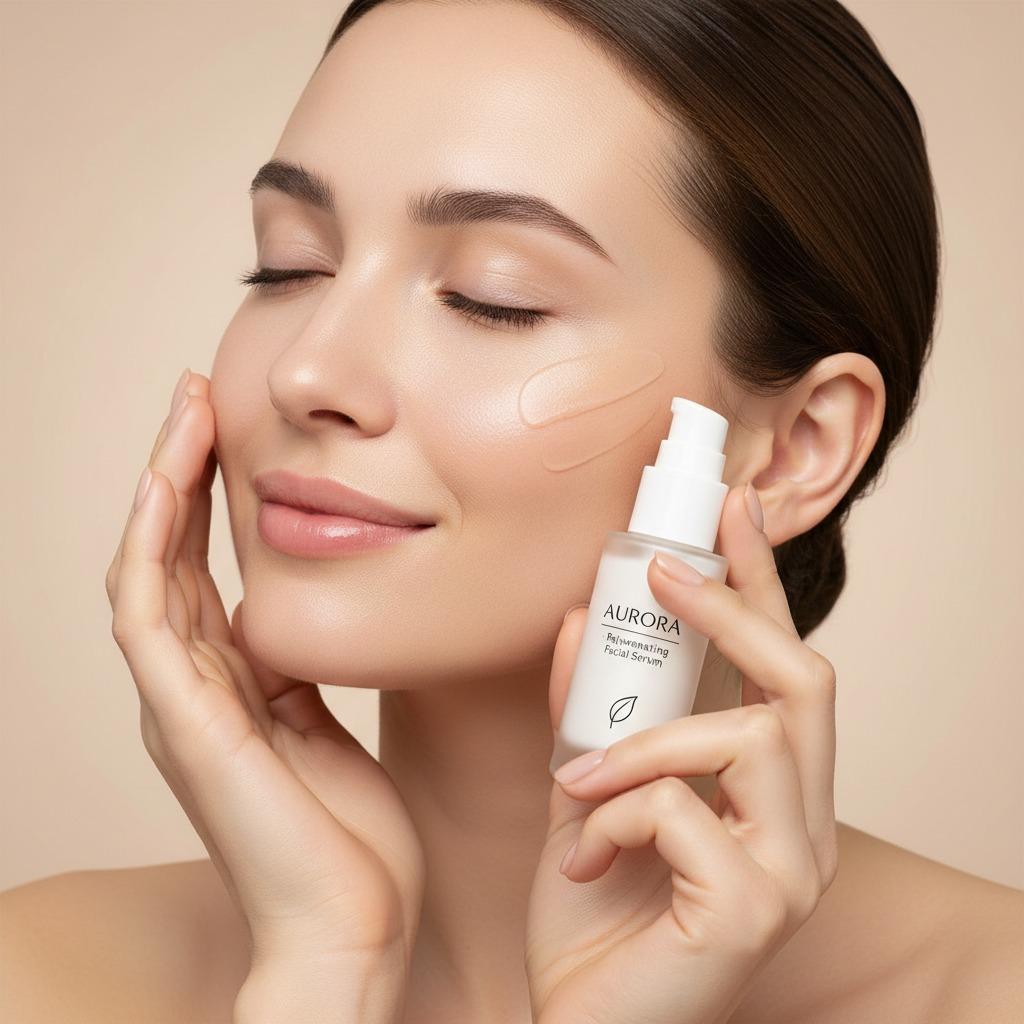
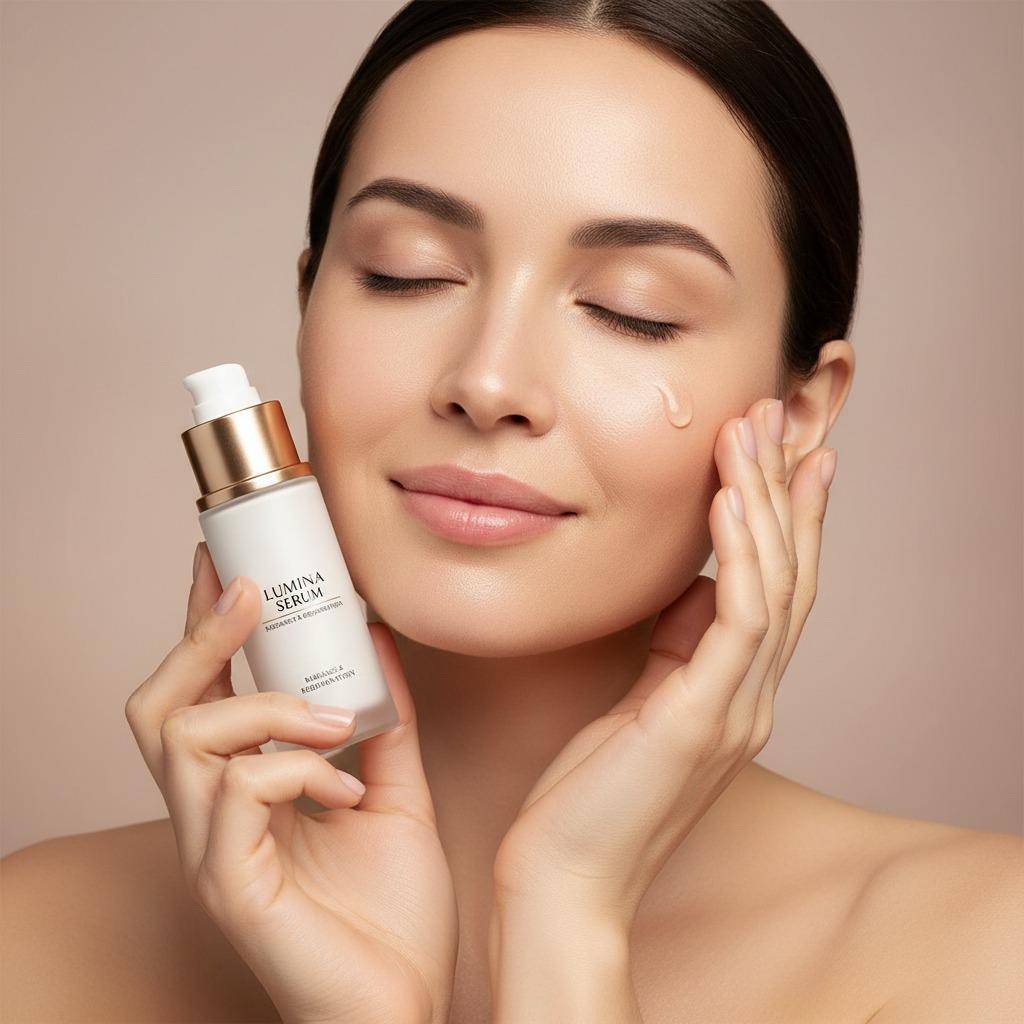
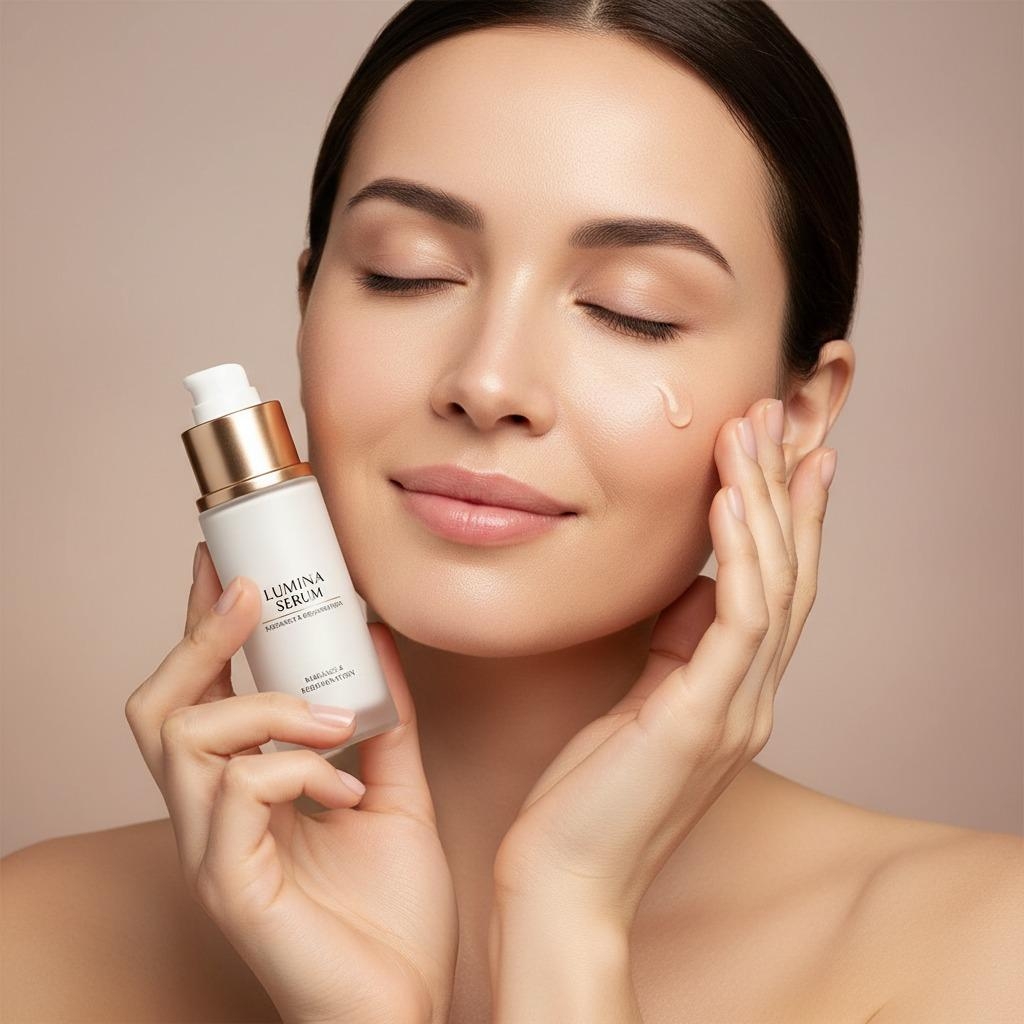
In the product image provided, the item appears to be a cylindrical, white, portable facial skincare bottle with a simple vertical label and a dispenser-style top. The exact formula cannot be confirmed from the image alone, but it clearly suggests a topical face care product intended for direct skin application. That makes it relevant for buyers looking for a cosmetic factory capable of producing daily-use skincare items for brightening, moisturizing, smoothing, or general facial care positioning.
Product Overview
From a manufacturing standpoint, this type of product usually sits in the facial care category rather than decorative cosmetics. The visible packaging is compact and hand-held, which is practical for consumer use, travel-size retail sets, and private-label distribution. A skin care factory producing this format typically focuses on three priorities: stable filling, clean presentation, and packaging that protects the formula during storage and shipping.
Because the visible product is presented in a minimal, modern container, it is suitable for brands that want a simple shelf look and straightforward use experience. The bottle style also suggests a formula that may be dispensed in controlled amounts, which is useful for serum-like or treatment-like products where users apply a small quantity to clean skin.
Key Specifications and Capabilities
Visible packaging characteristics
The following points can be observed or reasonably inferred from the image, without overclaiming hidden details:
- Cylindrical bottle shape
- White or light-colored body with a smooth matte or satin appearance
- Minimal vertical label layout
- Compact portable size
- Likely dispenser or pump-style closure, though the exact mechanism is not fully clear
Functional product characteristics
The visible presentation indicates a product designed for topical application on the face. That usually means the formula must be compatible with controlled dosing, easy spreading, and a finish that feels suitable for daily skincare routines. Depending on brand positioning, the same container style may be used for a serum, essence, lotion, or face treatment. The exact type should be confirmed during sampling and packaging review.
Materials and Finish Options
For facial skincare packaging, the bottle material is commonly selected based on formula compatibility, appearance, and cost targets. In this case, the visible bottle appears to be made from plastic or a coated container, with a refined plain finish. A cosmetic factory may offer multiple options for a similar product concept, including different bottle materials, cap structures, label treatments, and outer carton designs.
Finish options can influence how the product is perceived on the shelf. Matte and satin surfaces tend to give a cleaner, more understated look, while glossy finishes can create a brighter retail impression. Labeling may be minimal, as shown here, or expanded with ingredient details, usage directions, batch coding, and multilingual compliance text depending on the market.
Manufacturing Process
A skincare manufacturer typically manages facial product production through several controlled stages. The exact process depends on whether the formula is a serum, lotion, cream, or essence, but the general workflow is similar.
1. Formula preparation
Raw materials are weighed and combined according to the approved formula. For face care products, mixing conditions matter because viscosity, emulsion stability, and ingredient compatibility affect final product quality. Temperature control may be used where needed.
2. Blending and finishing
The batch is mixed until the texture becomes uniform. At this stage, the manufacturer checks appearance, consistency, and filling behavior. If the product is intended to have a light serum feel, the formulation process must support that texture without separation or lumping.
3. Filling and packaging
Once the product is ready, it is filled into the selected bottle and closed with the intended dispensing system. Labels, batch codes, and sealing components are then applied. The packaging structure should support safe transport and practical consumer use.
4. Final inspection
Before shipment, the packed goods are inspected for visual defects, filling accuracy, closure integrity, and label placement. For export-oriented orders, carton packing and pallet preparation are also important to reduce handling damage.
Application Scenarios
This type of product fits a range of market uses, especially where consumers want a simple daily facial care step. Typical scenarios include use after cleansing, before moisturizing, or as part of a morning and evening skincare routine. Because the bottle is small and portable, it is also suitable for travel kits, gift sets, beauty counters, and online retail bundles.
For brand owners, a finished skincare product in this format may be positioned toward hydration support, smooth-feel skincare, or tone-care routines, depending on the formula and local claim rules. For distributors, the simple packaging design can work across many channel types without looking overly specialized.
Quality Control in a Cosmetic Factory
Buyers comparing a skin care factory should pay attention to the quality control system, not just the packaging appearance. A dependable production environment should check raw materials, in-process mixing, fill volume, labeling, and finished cartons. Consistency matters because even a visually simple face care product can face returns if the bottle leaks, the label peels, or the product texture changes from batch to batch.
In the company information provided, SAIL emphasizes certified quality systems and strict inspection protocols in its manufacturing operations. While that background is primarily associated with heavy-duty transport products, the broader lesson still applies: buyers should look for documented process control, orderly warehouse handling, and stable export packaging. These factors are just as relevant when choosing a cosmetic factory for packaged skincare goods.
Customization Guidance for Brand Owners
Private-label skincare projects usually start with a clear target market and a simple set of requirements. Before production begins, buyers should decide on product type, texture, bottle size, closure style, label language, and the level of brand graphics needed. If the product is for a premium audience, a more refined bottle finish and clearer typography may be appropriate. If the goal is mass retail, cost efficiency and shipping stability may take priority.
It is also important to confirm the formula’s intended function early in the project. A bottle that looks like a serum may be filled with different product types depending on the brand brief, but the viscosity, pump compatibility, and consumer instructions must match. A skincare manufacturer can usually advise on which container works best for each texture, but the buyer should approve samples before mass production.
Customization can include bottle color, label layout, carton design, and batch coding format. If the order is for export, the packaging should also be checked for language requirements, ingredient declaration rules, and any local cosmetic labeling standards.
Buyer Decision Factors
When selecting a skin care factory, buyers should compare more than product appearance. The most useful decision factors include production consistency, packaging compatibility, sample response, customization flexibility, and the manufacturer’s ability to support repeat orders. For facial skincare products, stable supply matters because retailers and distributors often need the same item to remain available across multiple shipment cycles.
Another practical factor is communication. Clear confirmation of formula type, packaging structure, and artwork details reduces the risk of mismatched expectations. Buyers should also request clarification when product visuals do not fully reveal the container mechanism or formula category, as is the case with this image. Careful verification at the sample stage is better than relying on assumptions.
Why This Product Format Works Well for the Market
A compact facial skincare bottle offers several advantages. It is easy to display, simple to ship, and familiar to consumers who buy face care products in routine-use formats. The clean white packaging style gives room for brand positioning without visual clutter. For a skincare manufacturer, this is also a practical format because it can often be adapted for different formulations without changing the overall presentation too much.
For brands entering a new market, this type of product can serve as a flexible base SKU. It supports trial purchases, gift set creation, and straightforward retail replenishment. That makes it a sensible choice for companies testing demand before expanding into a wider skincare line.
Contact and Next Step
If you are looking for a skin care factory to develop a facial serum, treatment, or other private-label face care product, start by confirming the formula direction, packaging preference, and target market requirements. Share the container style you want, the functional positioning you need, and the labeling details required for your region. From there, a qualified cosmetic factory can recommend the best production route and packaging setup.
For buyers evaluating their next skincare project, the safest path is to request samples, verify packaging compatibility, and review the final artwork before mass order approval. That approach helps protect product quality and keeps the launch process organized from first sample to shipment.