What a skin care factory really has to solve before the first jar ships
When buyers start comparing a skin care factory for private label or contract production, the obvious questions are usually about the formula, packaging, and price. That is only part of the picture. In skin care manufacturing, the harder part is building a process that keeps the product stable, the fill accurate, the appearance consistent, and the brand story believable once the item is on a shelf or in a clinic drawer.
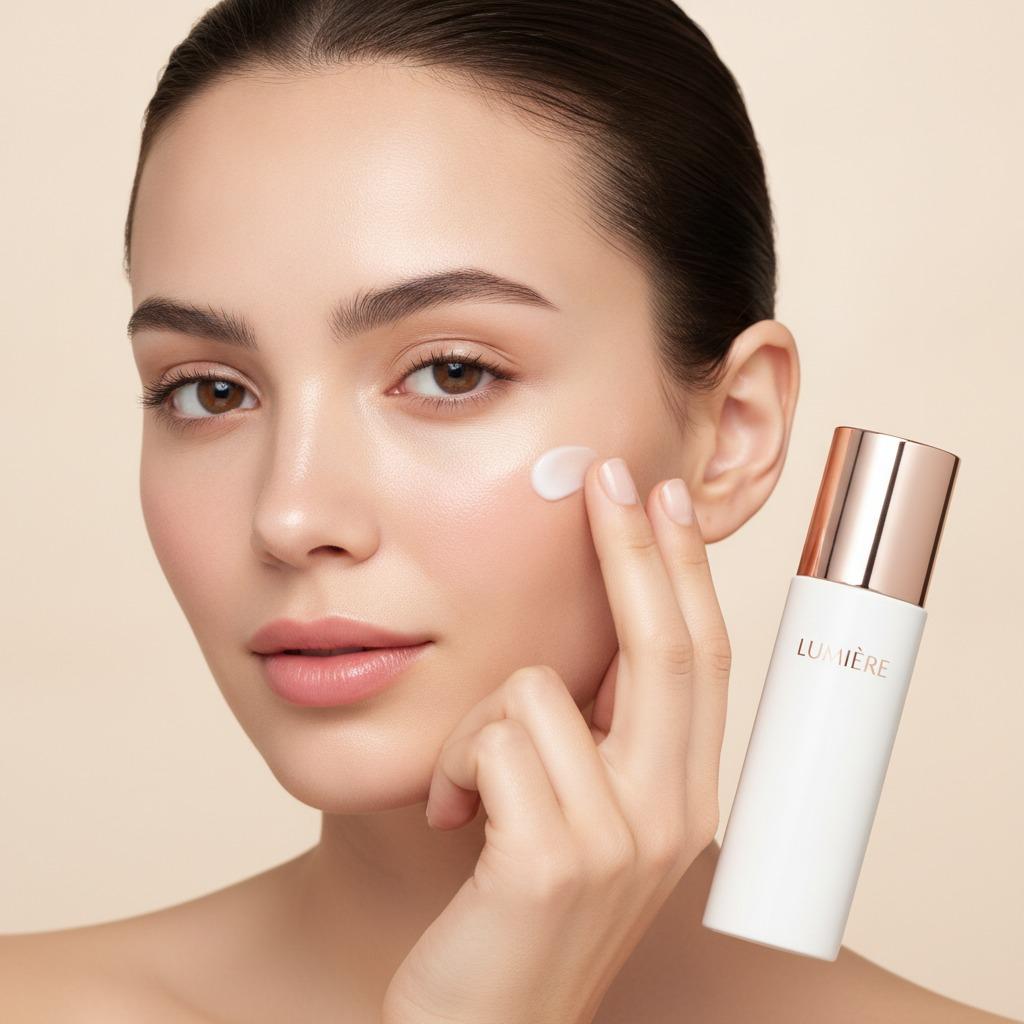
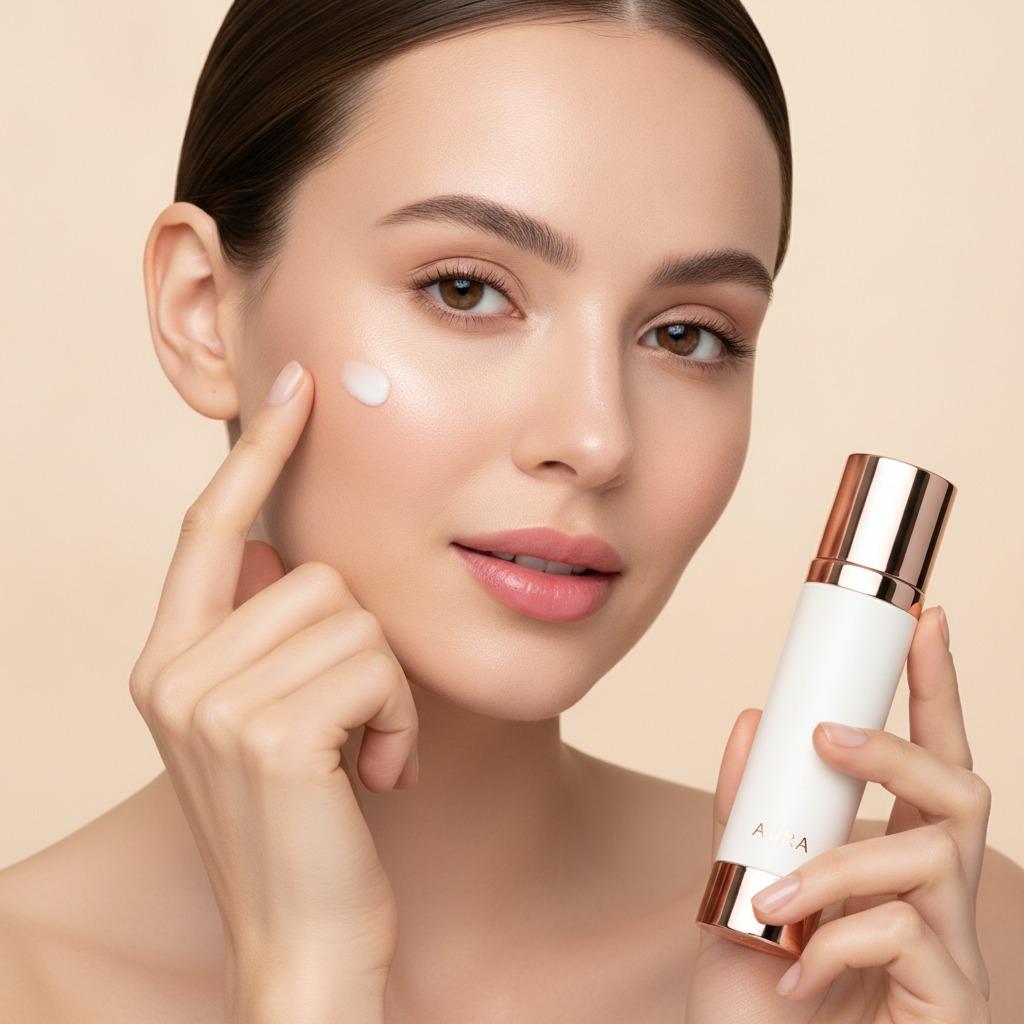
The product image behind this discussion points to a cylindrical, opaque white cosmetic container with metallic accent rings and a cream-like facial application. It could be a moisturizer, treatment cream, serum, or another topical beauty product; the exact formula is not visible, and that uncertainty matters. A cosmetic factory has to support that kind of flexibility without letting packaging, filling, or labeling drift away from what the buyer actually intends to sell.
For sourcing managers and product teams, the decision is rarely “Can the factory make it?” A more useful question is “Can the factory make it repeatedly, with the right finish, the right fill system, and enough control to protect the brand after launch?”
Why packaging design and filling method matter so much
In skin care manufacturing, the package is not just decoration. It affects how the product is dispensed, whether the contents are protected from air and light, and how the customer judges quality in the first five seconds. A white cylindrical bottle with a matte or satin body and metallic rose-gold or chrome bands sends a different message than a transparent pump bottle or a plain tube. Buyers often underestimate that gap.
That matters because facial products are heavily judged by feel and presentation. Even before a customer knows the ingredient list, they can see whether the package looks premium, travel-friendly, clinical, or gift-ready. A skin care factory that understands cosmetic packaging should be able to discuss closure types, decoration methods, and how the container will survive transport, stacking, and daily use.
There is also a practical angle. If the dispensing mechanism is not clearly defined early, the factory may design around the wrong fill process. A cream, lotion, or emulsion often behaves differently from a lighter serum. Viscosity, air exposure, and residue on the neck of the bottle all affect production. These details sound small until they create leakage, inconsistent dosing, or customer complaints.
Quick comparison: what buyers should confirm first
Before approving a cosmetic factory, buyers usually need answers in four areas:
1. Product form — Is it a cream, lotion, serum, or treatment product? The product shown visually suggests a cream-like topical skincare item, but that still needs confirmation.
2. Packaging structure — Is the container a simple bottle, an airless system, a jar, or another closure format? The visible container is cylindrical and minimal, but the dispense path is not shown.
3. Decoration and branding — Can the factory hold consistent print quality, color matching, and metallic accent details across batches?
4. Fill and assembly capability — Can the plant handle the formula’s texture without damaging appearance or creating waste?
Those four checks are basic, but they prevent most avoidable mistakes. A buyer can always tune a label or outer carton later; it is much harder to rescue a product that was built on the wrong packaging logic.
How skin care manufacturing typically works behind the scenes
A good skin care factory usually treats the project as a chain of linked decisions rather than a single production order. First comes the product brief: target user, intended use, package style, branding direction, and any market constraints. After that, the factory works through sample confirmation, packaging compatibility, filling setup, decoration, final assembly, and shipment preparation.
For products like the one implied here, packaging compatibility deserves extra attention. A rigid white cylindrical container with a smooth finish may look simple, but the surface needs to accept branding cleanly. If the artwork or vertical logo placement is slightly off, the whole item can lose its premium feel. Buyers sometimes focus only on the front label and forget that metal-like accent bands, cap alignment, and shoulder geometry are part of the visible brand language too.
In actual production, the factory also has to control contamination, consistency, and batch traceability. I would be cautious about any supplier that speaks only in generalities. If they cannot explain how the product is mixed, filled, capped, and inspected, they are probably relying on broad promises rather than a controlled line.
What a cosmetic factory should be able to discuss with buyers
1. Formula-packaging fit
Even without discussing exact ingredients, a manufacturer should know whether the texture is likely to separate, settle, stick, or trap air. That determines whether the bottle design is appropriate.
2. Surface and branding options
For a package like the IMAGRE-branded bottle shown in the source material, buyers may want matte body surfaces, metallic detailing, direct print, or label application. The key is consistency. A small cosmetic item with poor print registration looks cheaper than it is.
3. Sampling and visual approval
Before mass production, the buyer should review samples under realistic lighting. Cosmetic packaging can look elegant in a studio shot and slightly off in warehouse light. That sounds minor, but retail buyers notice.
4. Carton and set packaging
Because the product may be used in gift sets, spa retail, or private-label beauty lines, the factory should also understand how outer packaging affects presentation and shipping safety.
Common mistakes buyers make when sourcing skin care manufacturing
The most common error is choosing the container first and the product system second. A buyer falls in love with a premium-looking cosmetic bottle, then discovers the formula does not suit the dispensing method. Another common issue is assuming one factory can handle everything equally well. Some cosmetic factories are strong at filling but weak at decoration. Others can make attractive packaging but struggle with repeatability.
There is also a branding mistake that shows up often: pushing too many visual elements onto a small container. The example product already has a strong visual identity with a white body, metallic rings, and vertical branding. If the buyer adds more copy, more claims, or too many labels, the package starts to look crowded and less trustworthy.
One more practical caution: do not treat “private label” as a shortcut that removes technical review. A skin care factory still needs product specifications, component dimensions, and a clear approval trail. Private label can save time, but only if the team knows exactly what it is approving.
How to evaluate a skin care factory like a buyer, not a spec sheet reader
Start with the visible product and work backward. Ask whether the package shape supports the intended user experience. A cylindrical handheld bottle is easy to store and attractive for retail, but it may not be the best choice if the formula needs airless protection or highly precise dosing. That is the kind of trade-off a serious buyer should discuss early.
Next, ask for production process details in plain language. The best suppliers can explain how they manage batch consistency, how they inspect appearance, and what happens when packaging components arrive with slight variation. If the answer is only “we can do it,” keep pressing.
Finally, think about the channel. A product sold for home use has different packaging expectations than one sold through salons or gift sets. Professional beauty retail often tolerates more premium presentation, while mass e-commerce may prioritize shipping protection and fewer fragile visual elements. The same formula can often serve both, but the packaging strategy should not be identical.
FAQ for sourcing teams
Is this type of cosmetic package suitable for creams and lotions?
Likely yes, but only if the final formula and dispensing setup are compatible. The visible container suggests a cream-like skincare product, yet the exact product type is not confirmed.
Can one factory handle both packaging and filling?
Often yes, especially in private-label skin care manufacturing. Still, buyers should confirm whether packaging decoration, assembly, and filling all happen in-house or through partners.
What should I request before placing an order?
Ask for sample units, component specifications, decoration details, and a clear explanation of the filling process. If the product will be exported, ask how the supplier manages shipping protection and batch consistency.
What is the biggest risk with premium-looking cosmetic packaging?
That the appearance outruns the production control. A bottle can look polished in a photo and still fail if the cap fit, print alignment, or fill quality is inconsistent.
A practical next step for buyers
If you are sourcing from a skin care factory, start with the product story you want the customer to believe, then check whether the factory can build the physical package to match it. For a facial cream or lotion in a cylindrical container, the right partner should be able to speak clearly about structure, decoration, filling, and repeatability, not just general cosmetics output.
For companies that already buy manufactured products across categories, the lesson is familiar: stable quality comes from process discipline, not from marketing language. Whether you are building a spa retail item, a gift-set cosmetic, or a private-label face care line, the right supplier is the one that can keep the details steady when the order moves from sample to production. That is where a good cosmetic factory earns its place.