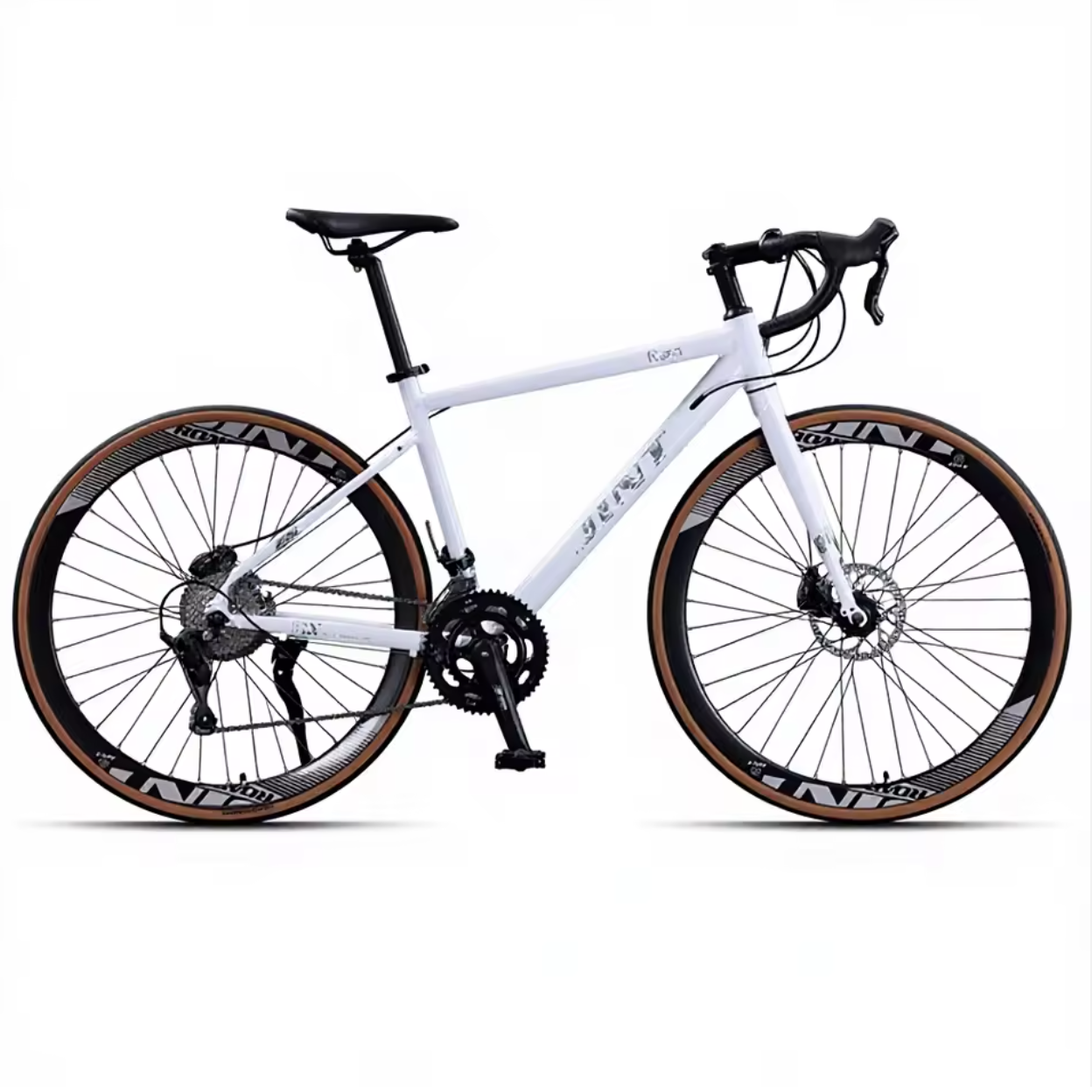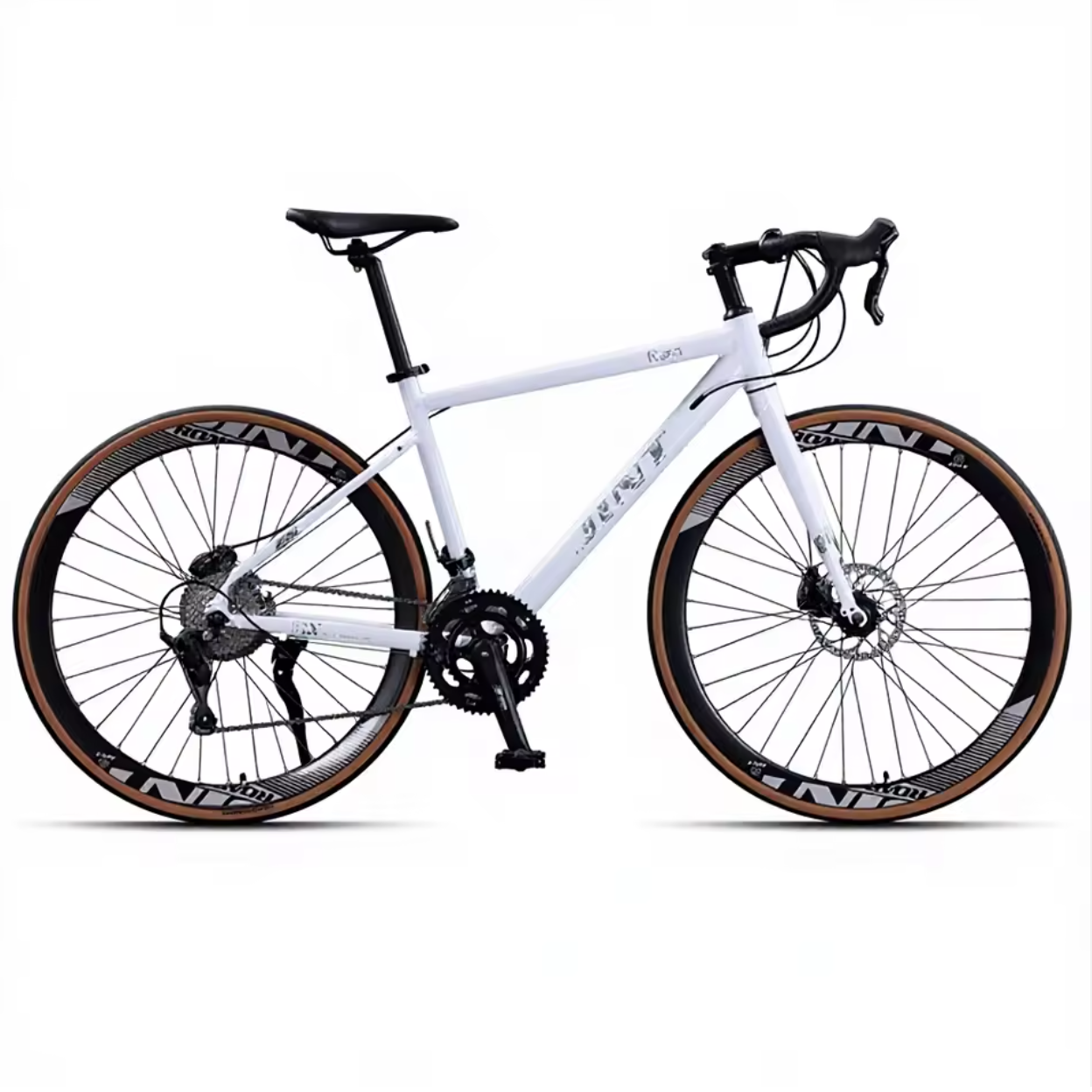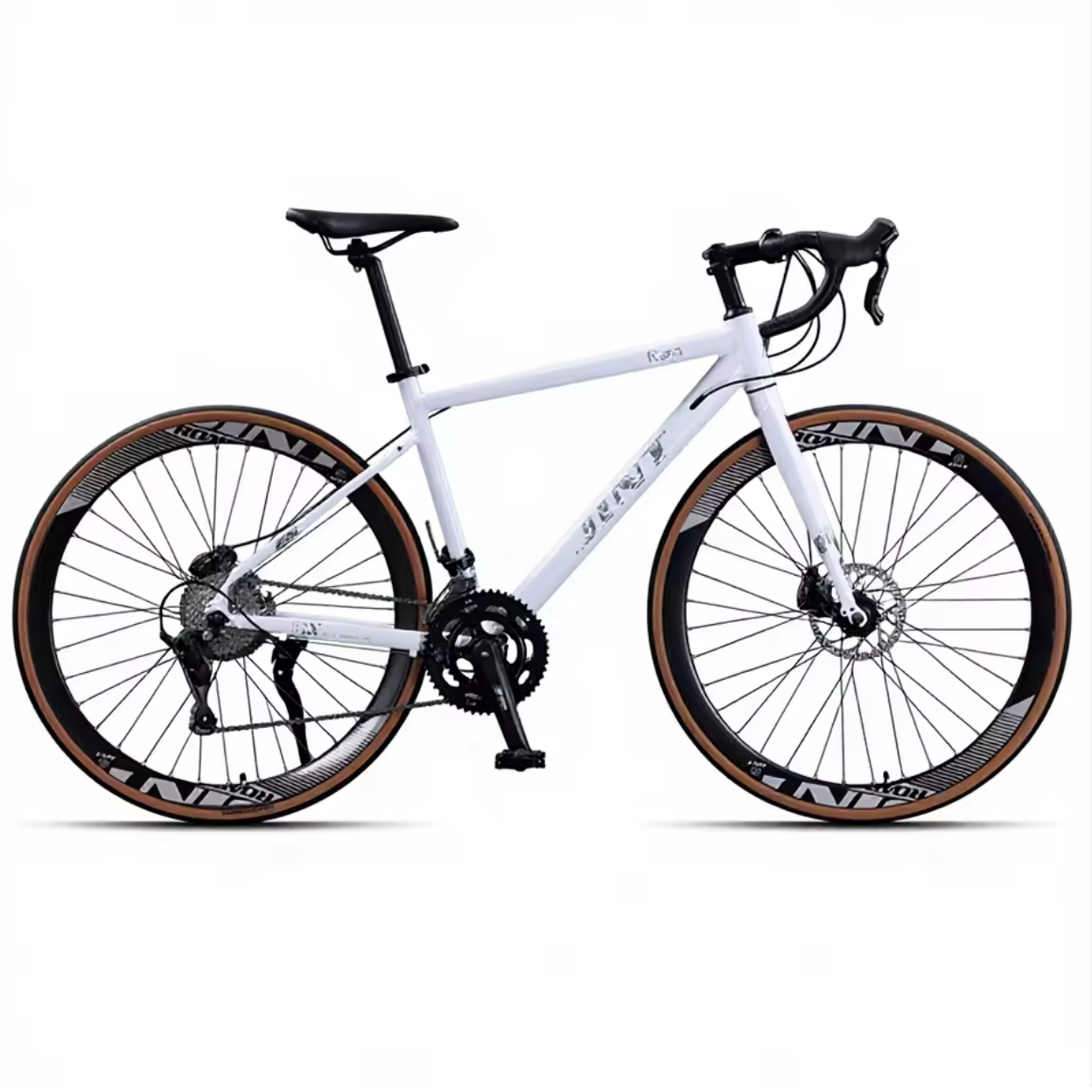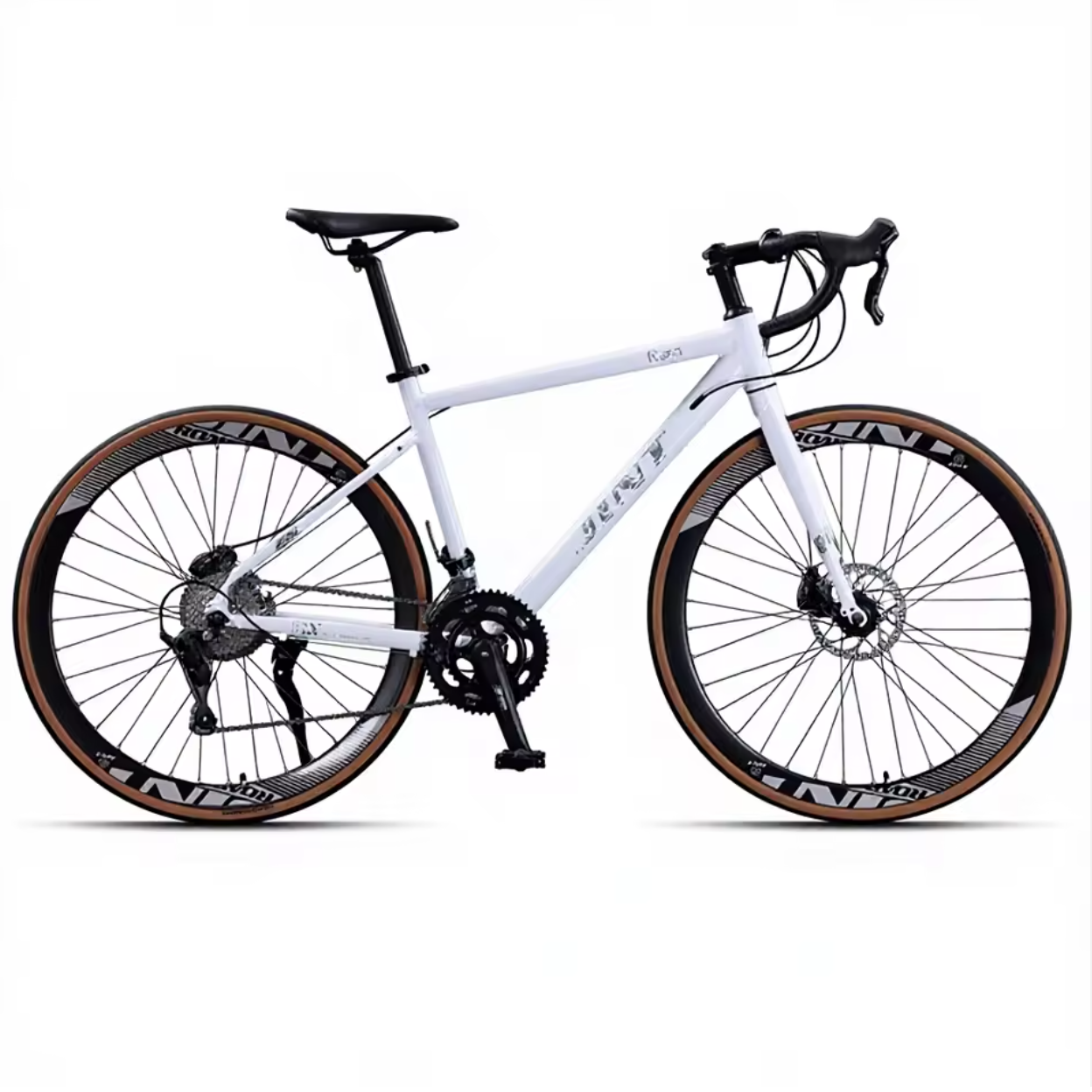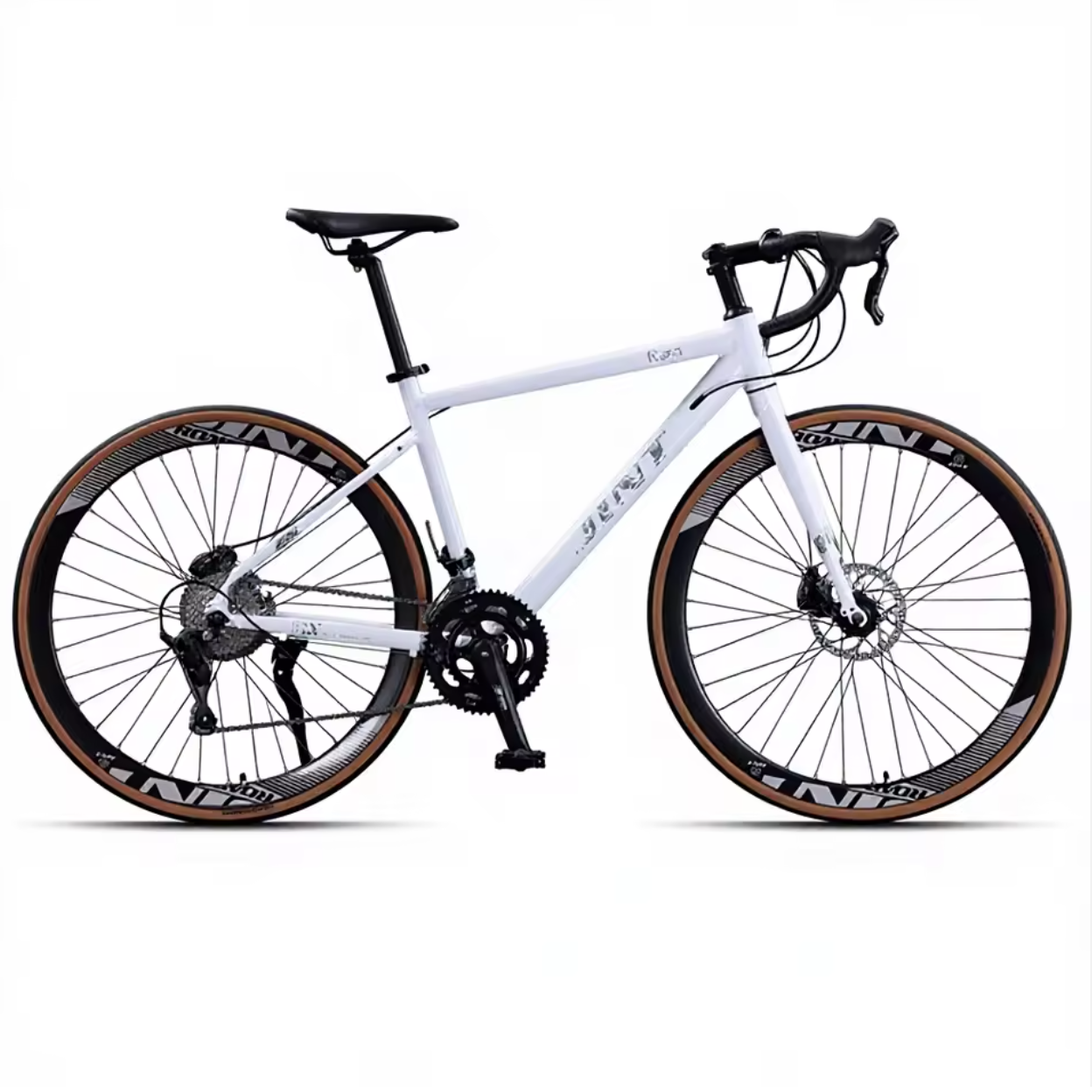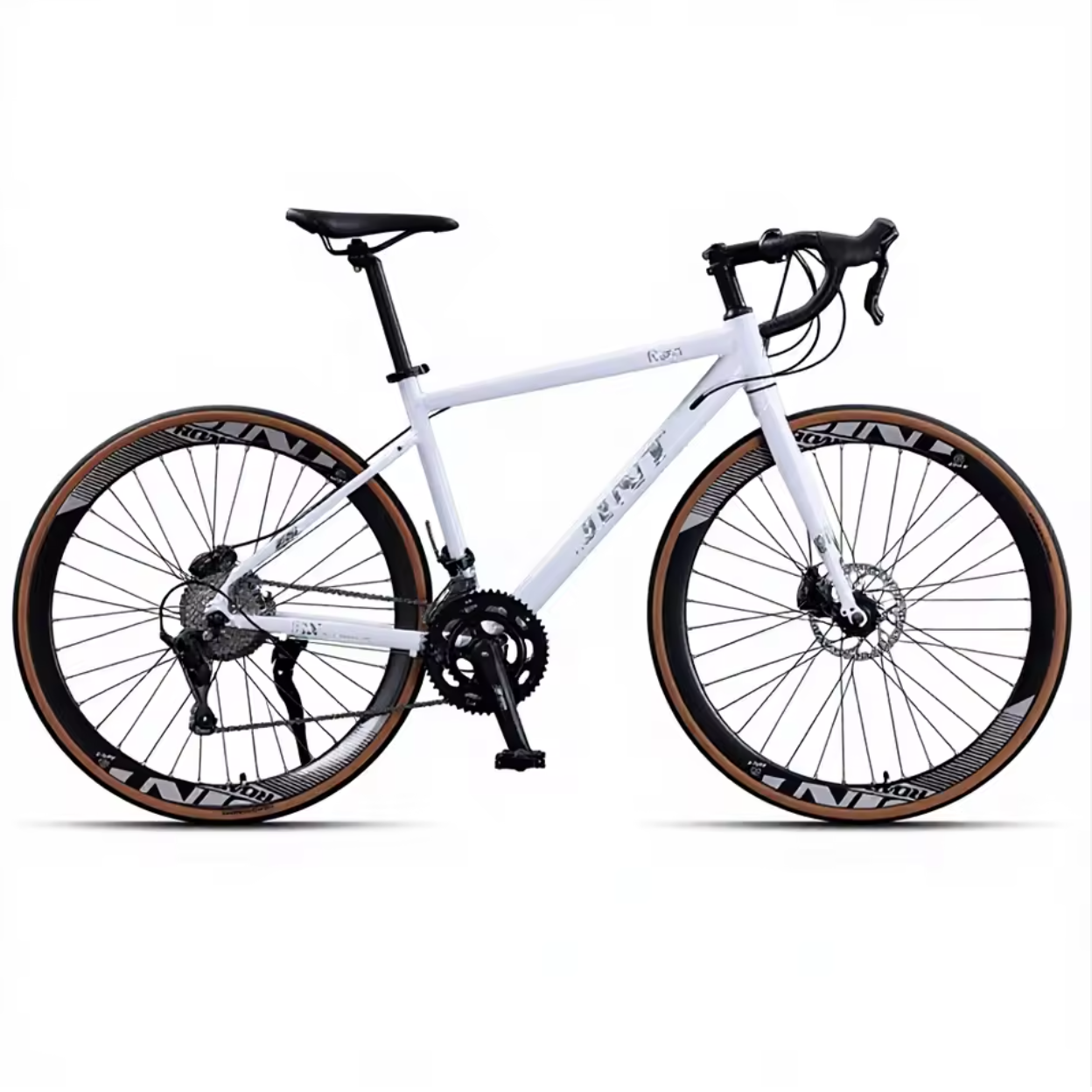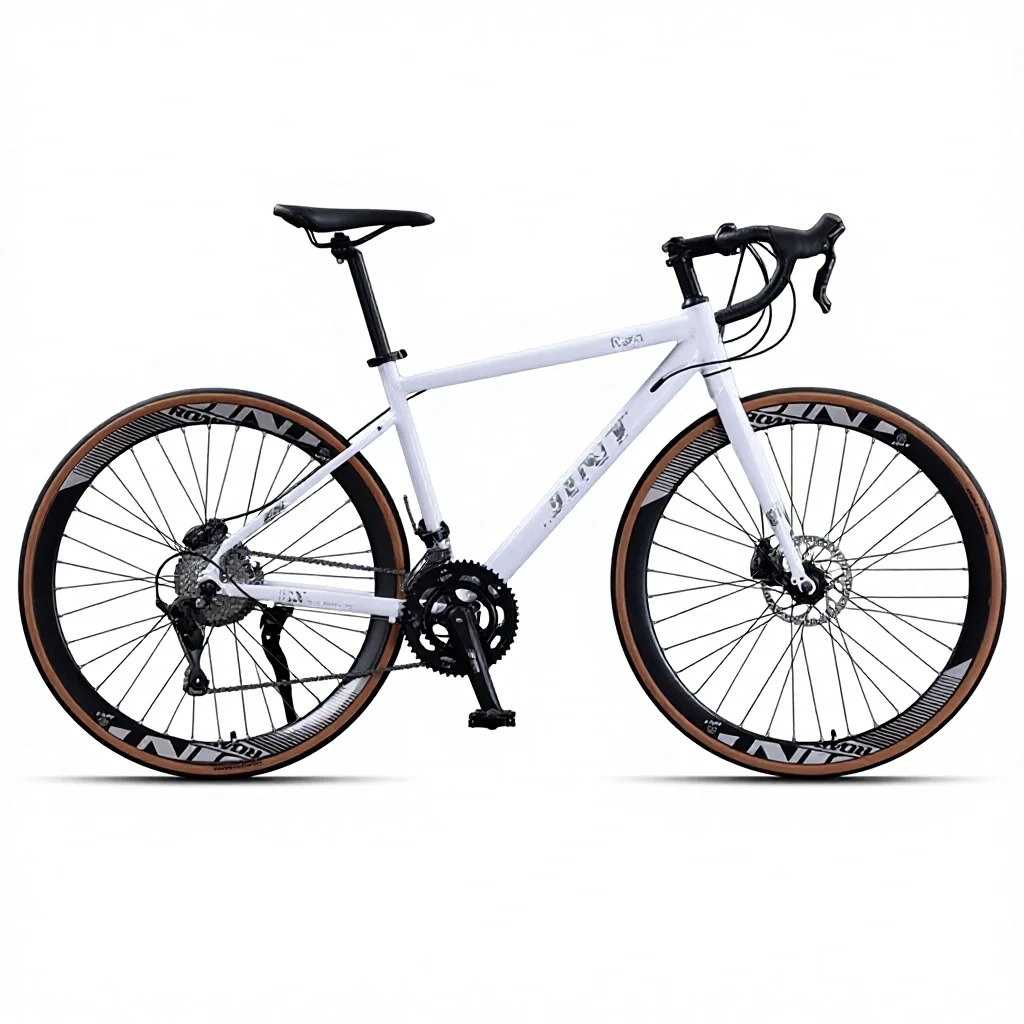
Road bike carbon fiber frame lightweight racing bike factory
A lightweight racing bike factory specializing in carbon fiber frames for road bikes can achieve its best results with a clear product positioning, practical buying guides, and explicit next-step purchasing instructions. This guide aims to increase search visibility and help users make informed purchasing decisions.
Quick Answer
The lightweight racing bike factory guide for carbon fiber frames for road bikes serves as an excellent commercial buying guide: it explains product suitability, presents evidence, adds structured comparisons, and guides the reader to confidently make a quote or inquire.
Why this topic is important
Buyers looking for lightweight racing bike factories with carbon fiber frames for road bikes typically need more than just appearances. They need a selection logic, proof of product readiness, and a page explaining how the product fits their channels, intended use, and timeline.
Product or Solution Overview
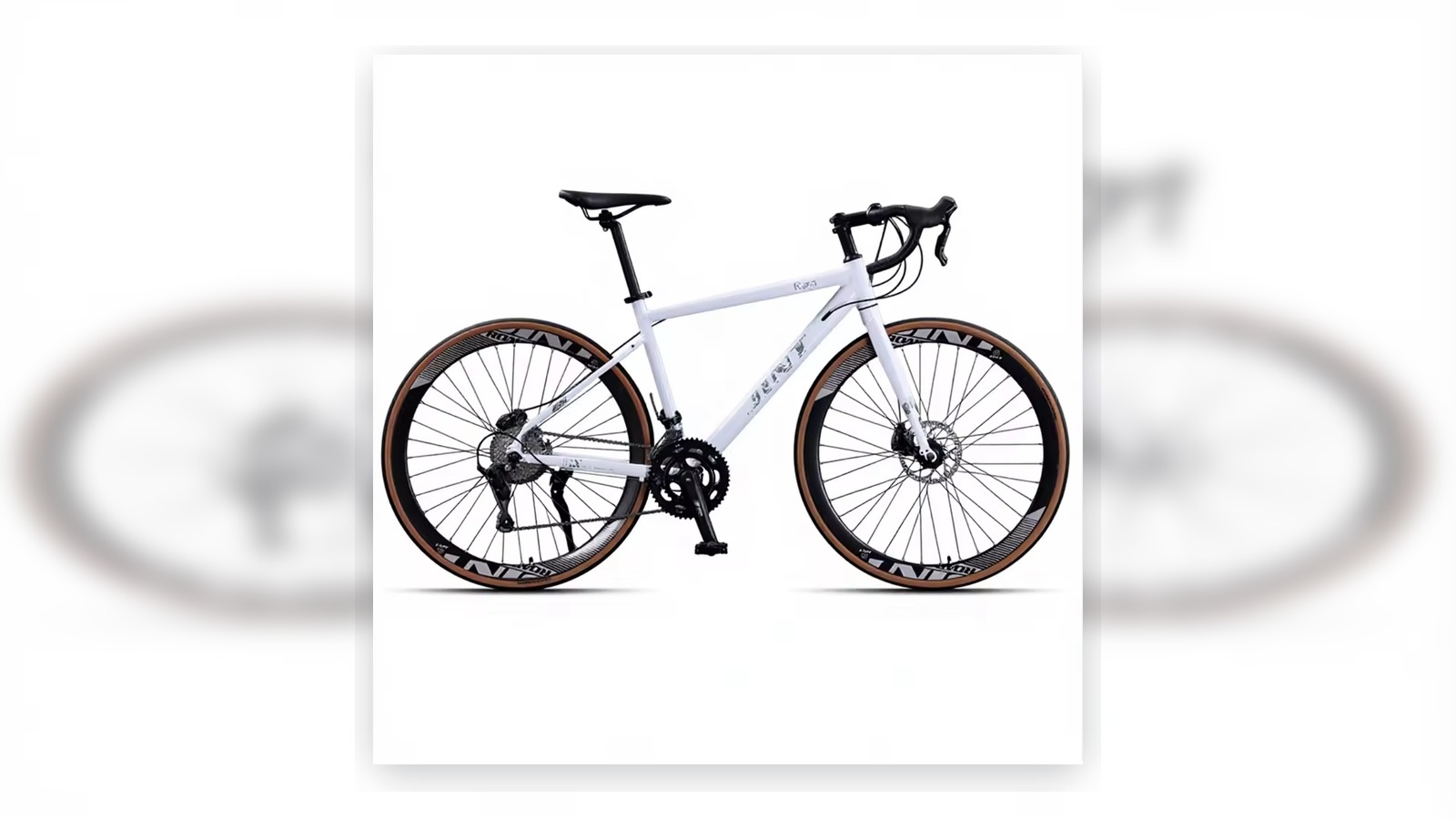
- A presentation of a lightweight racing bike factory with a carbon fiber frame for road bikes should use clear, buyer-centric language and provide specific decision support.
- Road bike carbon fiber frame lightweight racing bike factory has strict requirements: Publish one English B2B SEO article; use English keywords; use images that match the product, real cover, 3+...
- Buyers typically first compare road bike carbon fiber frame lightweight racing bike factories, road bike manufacturers, carbon fiber frame production, factory capabilities, including quality, positioning, and suitability for their distribution channels.
- A good product page should combine clear visuals, concise and clear selling points, and convenient contact information or a way to request a quote.
- For B2B and OEM workflows, clear packaging, readiness status, and supplier responsiveness are just as important as the product itself.
Application scenarios
- A lightweight racing bike factory specializing in carbon fiber frames for road bikes, offering a ready-to-use product range and clear merchandise display.
- We are a factory specializing in lightweight racing bicycles with carbon fiber frames for road bikes, seeking OEM/ODM and wholesale sourcing partnerships.
- A factory specializing in lightweight racing bikes with carbon fiber frames for road bikes, providing teams with options to compare quality, delivery time, and readiness before submitting inquiries.
Buyer list
- Road bike carbon fiber frame lightweight racing bike factory has strict requirements: Publish one English B2B SEO article; use English keywords; use images that match the product, real cover, 3+...
- Buyers typically first compare road bike carbon fiber frame lightweight racing bike factories, road bike manufacturers, carbon fiber frame production, factory capabilities, including quality, positioning, and suitability for their distribution channels.
- A good product page should combine clear visuals, concise and clear selling points, and convenient contact information or a way to request a quote.
- For B2B and OEM workflows, clear packaging, readiness status, and supplier responsiveness are just as important as the product itself.
Specifications
| Decision factors | What needs to be verified? | Why this is important |
|---|---|---|
| Core Road Bike Carbon Fiber Frame Lightweight Racing Bike Factory | Model fit, material localization, and application scope | Prevent product mix mismatch and weak business positioning. |
| Production preparation | Minimum order quantity, delivery time, quality control checkpoints, packaging and export support | Supports reliable promotion and smoother procurement handover. |
| Commercial assets | Images, specifications, comparison guide, and inquiry path | Improve search engine optimization and buyer conversion rates. |
Comparison or decision matrix
| Buyer preference | Key recommendations | Commercial takeaway |
|---|---|---|
| Quick Start | Delivery visibility, in-stock or fast shipping options, concise call to action | This is the best option when buyers need to shorten the time to market for their products. |
| High-end brand story | Higher quality images, physical evidence, exquisite craftsmanship, and differentiated information delivery | This is the best choice when buyers need higher perceived value and stronger content reusability. |
| OEM/Wholesale Scale | Customization, quality control, packaging, logistics and quotation workflow | This is the best option when buyers need scalable purchasing confidence. |
Materials, components and manufacturing quality
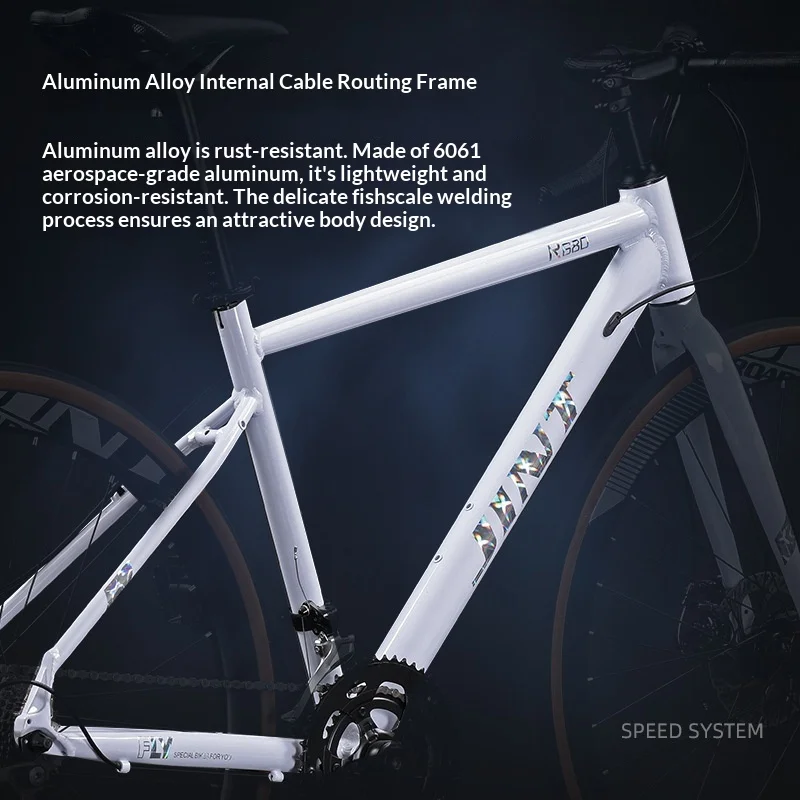
For lightweight racing bike factories using carbon fiber frames for road bikes, buyers should carefully examine the actual products before selecting suppliers. Inquire about the main materials of the frame or shell, contact surfaces, finishes, fasteners, grade of interior trim or hardware, and components that affect daily durability. Suppliers who can explain their parts list in plain language are generally more likely to gain the trust of the purchasing team than those whose pages only emphasize "quality." Product specifications should relate the choice of each material to factors such as usage scenarios, cleaning, maintenance, load-bearing capacity, comfort, or retail display, making the specifications more practical than empty decorations.
For repeat orders, component consistency is also crucial. If the first batch of lightweight road bike carbon fiber frames is of good quality, but the second batch varies in foam density, weld quality, coating, frame thickness, carton strength, or accessory compatibility, the buyer faces brand issues. Therefore, detailed sourcing information should explain how the factory controls material substitutions, sample approvals, qualified component lists, and pre-production confirmations. These details help gym owners, distributors, importers, and wholesale buyers understand what aspects they can confidently procure before placing an order.
Production processes and implementation capabilities
Begin with a comprehensive overview of the lightweight racing bicycle factory using carbon fiber frames for road bikes, then corroborate this with specific application language, media materials, and clear contact information or pricing channels. If the company supports OEM or wholesale, please briefly describe delivery timelines, packaging, and production coordination.
Quality control, inspection, compliance and certification standards
Quality control should be viewed as a process, not just a slogan. A reliable supplier of lightweight road bike carbon fiber frames will provide detailed descriptions of incoming material inspection, in-process checks, final assembly audits, packaging inspections, and photographic or video evidence before shipment. For commercial buyers, what matters is not whether the factory claims to have quality control, but whether these checkpoints correspond to the product's failure modes. These failure modes may include surface finish defects, structural instability, operational noise, loose bolts, incorrect labeling, missing parts, insufficient carton protection, or incomplete documentation.
The wording regarding certifications and compliance must be truthful and reliable. If the product category requires adherence to specific standards, sellers should be required to provide relevant tests, reports, certificates, or customer-specific compliance requirements, rather than accepting generic labels. Even without formal certificates, the page should still specify what can be checked: dimensions, load assumptions, packaging drop tests, labeling requirements, installation instructions, spare parts availability, and shipping documents. Clear compliance boundaries help build trust because they allow buyers to clearly understand which aspects have been verified and which still require verification.
A practical inspection plan should also clearly identify the signatories at each stage. Before mass production, confirm that samples, colors, labeling, packaging design, spare parts list, and any country-specific labeling requirements have been approved. During production, require progress photos showing batch quantities, assembly status, and key details. Before shipment, require final inspection photos, carton markings, random unpacking inspections, accessories inspections, and loading documents. This transforms quality communication into a repeatable workflow, rather than last-minute disputes.
Capacity, minimum order quantity, lead time, delivery and readiness for mass production
The procurement team also needs to understand whether the supplier can expand the production capacity of the lightweight road bike carbon fiber frame racing bicycle factory after the samples are approved. Production capacity refers not only to monthly output but also to raw material supply, production line scheduling, packaging resources, inspection capabilities, export bookings, and the ability to maintain stable delivery times during peak seasons. A practical procurement guide should specify the normal minimum order quantity, sample delivery time, first order delivery time, repeat order delivery time, and factors that may affect delivery times, such as custom colors, private label packaging, accessory packages, or LCL (Less than Container Load) shipments.
For importers and distributors, delivery readiness directly impacts their operations. Delayed carton delivery, unclear packing lists, missing installation documents, and poor export coordination can all render an attractive offer worthless. Therefore, this document encourages buyers to request carton dimensions, gross weight, loading photos, pallet or container layout plans, spare parts policies, and a brief milestone calendar. These operational details are particularly important when buyers are preparing for seasonal new product launches, gym openings, tenders, or wholesale catalog updates.
Pitfalls in value, risk, and procurement preparation
For lightweight racing bike factories using carbon fiber frames for road bikes, weak sourcing channels can lead to rework, returns, delayed start-ups, or additional inspections. Buyers should compare a supplier's value with material grades, warranty terms, packaging strength, spare parts availability, order flexibility, and the supplier's fulfillment of each commitment. Transparent suppliers can explain what's included in their solutions, what changes might occur if the buyer requests customization, and which upgrades can mitigate risks in commercial use.
Common mistakes include selecting models based solely on images, accepting vague delivery date descriptions, ignoring pre-shipment inspection, approving private-label packaging without printed samples, and treating the initial inquiry response as final proof of a supplier's capabilities. A good SEO article should directly point out these risks, as this helps genuinely interested buyers conduct their own assessment. This also helps improve conversion rates: readers who understand the true purchasing drivers are more likely to send complete inquiries that include quantity, destination, logo requirements, target delivery date, and acceptable specifications.
The procurement plan should cover spare parts, installation support, warranty communication, storage space, local service expectations, and the risk of delayed market launch. Buyers who only focus on price may overlook the fact that better packaging, clearer user manuals, or higher-quality spare parts packages can reduce post-delivery service requests. This article explains how these trade-offs can attract a more proactive procurement team and filter out procurement needs that fail to meet supplier quality standards.
OEM/ODM customization, private labeling, and buyer support
When offering OEM or ODM customization services, the page should differentiate between simple brand customization and more in-depth product development. Simple customization might include logo placement, color selection, label design, carton markings, instruction manuals, or product combinations. More in-depth ODM work might include structural changes, component changes, mold development, packaging redesign, or new accessory kits. For a lightweight racing bike factory with carbon fiber frames for road bikes, the best buyer experience is a clear process: confirm the basic model, approve specifications, review renderings, test samples, finalize the bill of materials, and then begin production.
Private label buyers also highly value communication efficiency. They need suppliers to translate their needs into drawings, samples, updated quotes, production photos, inspection records, and shipping documents without requiring the buyer to handle everything. The article should position suppliers as pragmatic operational partners, not just catalog holders. This means clearly stating what information the buyer should provide in their initial inquiry, and what information the supplier will provide, such as recommended models, price ranges, estimated delivery times, images, and packaging suggestions.
Evidence and quality assurance
Trust grows when a page displays authentic evidence: quality control language, consistent production, awareness of standards, clear packaging, and honest explanations of what buyers can verify before ordering.
Internal resources and recommended products
Use this theme as a structured landing page and content asset: connect it to your product catalog , keep the copy based on real specifications and media, and end with a clear sales action.
Related Resources
- In 2024, a new snowboard supplier launched custom-designed, multi-colored freestyle carbon fiber snowboards suitable for winter sports.
- 2026 New Customized Skis, Multi-Color Freestyle Carbon Fiber Snowboards, Winter Sports
- Skincare Manufacturing: The Secrets to Innovation and Success
Frequently Asked Questions
What aspects should buyers compare first?
First, let's look at the business fit of a road bike carbon fiber frame lightweight racing bike factory: positioning, application fit, and how the page clearly explains why this option is suitable for buyers.
How important are the actual specifications and parameters?
This information is crucial because buyers need concrete evidence, not vague statements. Details about size, material, packaging, and performance can reduce uncertainty and increase conversion rates.
What role do images play in Search Engine Optimization (SEO) and Geolocation Optimization (GEO)?
Cover and interior images can reinforce the precise intent of a chapter, thereby improving scan quality, dwell time, and the extraction efficiency of answer engines.
Should this page cover both retail and wholesale?
Yes, this is necessary when a business serves both retail and corporate clients. The copy should clearly articulate the retail value, while also explaining minimum order quantities, OEM support, and delivery readiness to B2B buyers.
How many internal links are appropriate?
Ideally, there should be at least three useful internal links so that the article can connect buyers with products, relevant guides, and direct contact channels without feeling like spam.
What should the FAQ section achieve?
It should answer questions raised by buyers before they contact you, including minimum order quantity logic, delivery time, quality assurance, customization, shipping, and suitability issues.
How can an article support geolocation visibility?
Use direct-response paragraphs, clear heading hierarchies, structured tables, and clear factual language so that the answer engine can cite the article cleanly and concisely.
When should OEM or factory capacity be mentioned?
If a company supports customization or large-volume supply, it should mention this as early as possible, because purchasing buyers need this confidence before making inquiries.
Are third-party recommendation letters important?
Yes, when they conform to genuine standards or actual market realities. Use only reliable references and never fabricate data or certifications.
What would be a suitable call to action for this type of article?
Readers are invited to contact the team , request a quote, or view the most relevant product options and clarify the next steps.
Next steps and call to action for requesting a quote
The best next step is simple: ask the buyer to provide the quantity, target market, expected delivery time, marking or packaging requirements, and any necessary inspection or compliance documentation. For a lightweight racing bike factory with a carbon fiber frame for road bikes, the sales team can then recommend the closest model, explain available upgrade options, confirm the feasibility of OEM or private label production, and prepare a quote based on the buyer's actual operations. Readers are invited to contact their team for a quote, or to review the most relevant product options and clarify the next steps in business cooperation.