Introduction: Navigating the Global LED Sourcing Landscape
In the rapidly evolving world of energy-efficient illumination, finding a reliable LED light supplier is no longer just about finding the lowest price—it is about securing a partnership that ensures quality, compliance, and supply chain stability. As global industries shift toward sustainability, the demand for high-performance LED light solutions has skyrocketed, making the role of a professional LED manufacturer more critical than ever.
Whether you are a procurement manager for a large-scale construction project or a wholesaler looking to expand your inventory, understanding the nuances of the LED factory landscape is essential. This guide provides a comprehensive roadmap for evaluating a light supplier, understanding technical specifications, and optimizing your procurement strategy for wholesale LED lighting.
Quick Answer: What Makes a Top-Tier LED Light Supplier?
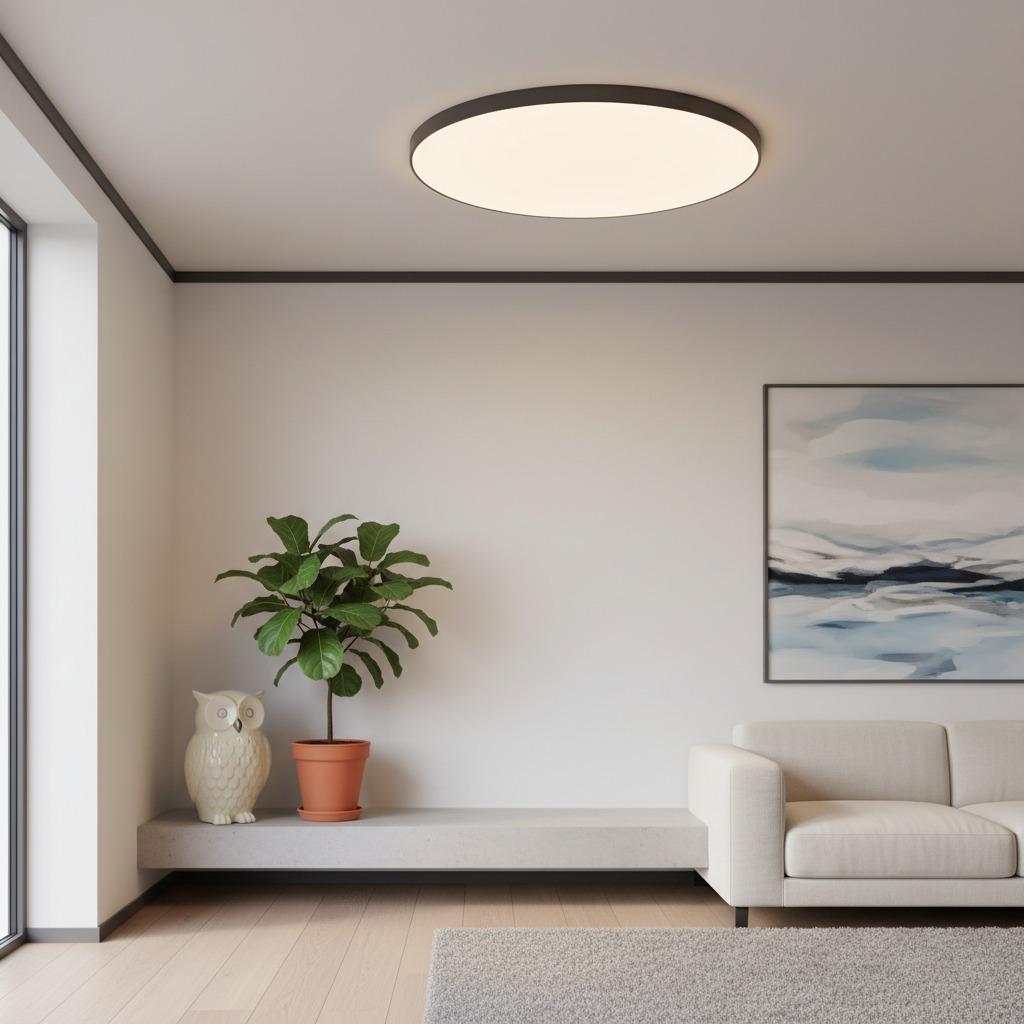
A top-tier LED light supplier is defined by three pillars: Technical Certification (ISO9001, CE, RoHS, UL), Production Transparency (factory-direct manufacturing vs. trading), and Customization Capability (OEM/ODM services). For B2B buyers, the "best" supplier is one that offers a balance of competitive wholesale LED lighting prices and a robust warranty framework that mitigates long-term project risks.
Why Choosing the Right LED Manufacturer Matters
The transition to led technology is driven by its 100,000-hour lifespan and 80% energy savings compared to traditional lighting. However, these benefits are only realized if the light components—specifically the driver and the heat sink—are manufactured to rigorous standards. A subpar LED factory may use low-grade capacitors or insufficient thermal management, leading to premature failure and costly replacements. Partnering with a vetted LED light supplier ensures that your brand reputation remains intact and your operational costs stay low.
Product Overview: Comprehensive Lighting Solutions
Modern LED manufacturer facilities produce a vast array of products tailored to specific industrial and commercial needs. Understanding these categories helps in narrowing down the right supplier for your niche:
- Industrial Lighting: High-bay lights, floodlights, and vapor-tight fixtures for warehouses and factories.
- Commercial Lighting: LED panels, downlights, and track lighting for offices and retail spaces.
- Outdoor & Architectural: Street lights, wall washers, and landscape lighting with high IP ratings.
- Specialized LED: Grow lights for horticulture and UV-C lights for disinfection.
For those looking for specific manufacturing excellence, exploring a reliable LED light supplier for wholesale buying can provide deeper insights into high-volume procurement strategies.
Application Scenarios: Where Quality LED Lighting Excels
The versatility of LED light products allows them to be deployed in diverse environments, each requiring unique technical specifications:
1. Industrial Warehousing
In large-scale logistics centers, lighting must be powerful yet efficient. A professional LED factory will recommend high-lumen output fixtures with advanced optics to reduce glare and improve worker safety.
2. Retail & Showrooms
Color rendering is paramount here. Buyers should look for a light supplier that offers high CRI (Color Rendering Index) products (CRI >90) to ensure merchandise looks vibrant and true to life.
3. Public Infrastructure
Street and tunnel lighting requires extreme durability. Suppliers must provide led solutions with high IP (Ingress Protection) and IK (Impact Protection) ratings to withstand environmental stressors.
Buyer Checklist: 5 Essential Verification Points
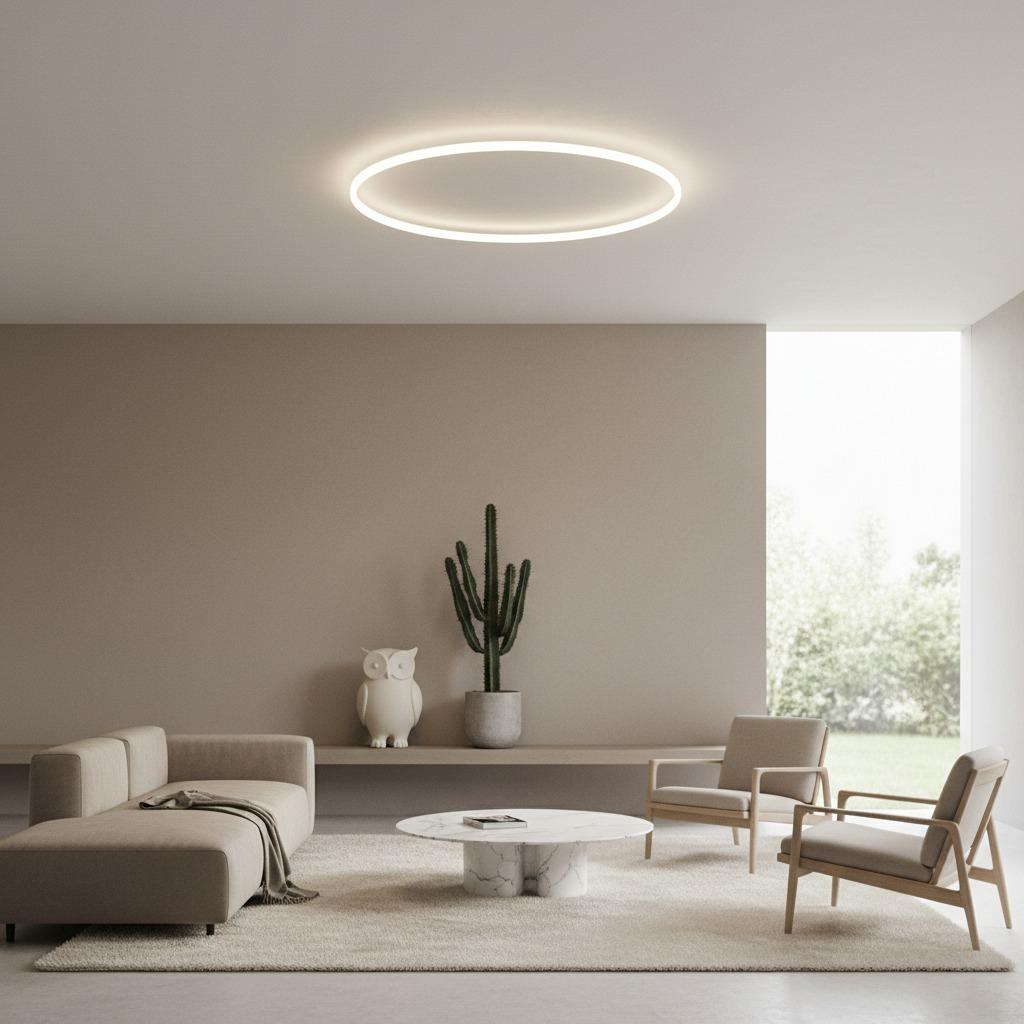
Before finalizing a contract with an LED light supplier, use this checklist to verify their capabilities:
- Certification Audit: Does the LED manufacturer hold valid CE, RoHS, UL, or DLC certifications for your target market?
- Component Sourcing: Which brands are used for the LED chips (e.g., Cree, Osram, Lumileds) and drivers (e.g., MeanWell, Inventronics)?
- Testing Protocols: Does the factory perform 48-72 hour aging tests and IES photometric testing?
- MOQ & Lead Time: Are the Minimum Order Quantities and production timelines compatible with your project schedule?
- Warranty Terms: Is there a clear 3-5 year replacement warranty backed by a formal contract?
Technical Specification Table
When comparing wholesale LED lighting options, refer to these standard benchmarks to evaluate performance:
| Parameter | Standard Range | Premium Range | Importance |
|---|---|---|---|
| Luminous Efficacy | 100-120 lm/W | 140-180+ lm/W | Energy Efficiency |
| Color Rendering (CRI) | Ra >70 | Ra >90 | Visual Accuracy |
| Power Factor (PF) | >0.90 | >0.95 | Electrical Efficiency |
| Lifespan (L70) | 30,000 Hours | 50,000-100,000 Hours | Maintenance Cost |
| IP Rating | IP20 (Indoor) | IP65/66 (Outdoor) | Environmental Protection |
Decision Matrix: Factory Direct vs. Trading Company
Choosing the right type of light supplier depends on your specific business needs:
| Feature | Direct LED Factory | Trading Company | Local Distributor |
|---|---|---|---|
| Pricing | Lowest (Factory Price) | Moderate | Highest |
| MOQ | High | Low to Moderate | Very Low |
| Customization | Full OEM/ODM | Limited | None |
| Communication | Technical/Direct | Sales-focused | Service-focused |
Production Capability & OEM/ODM Services
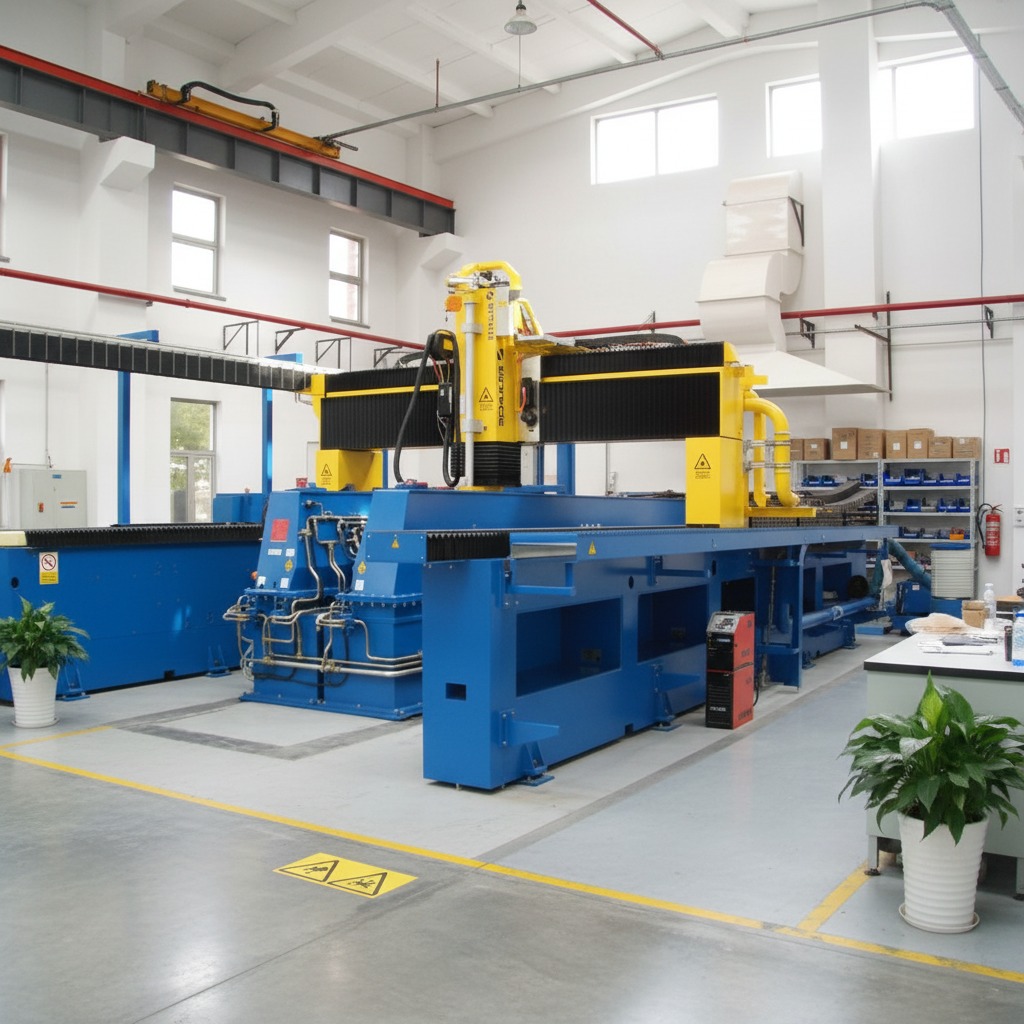
A leading LED manufacturer should offer more than just off-the-shelf products. In today’s market, customization is key. This includes private labeling (OEM), custom housing designs (ODM), and specific spectral tuning for specialized applications. A robust LED factory will have in-house SMT (Surface Mount Technology) lines and automated assembly to ensure consistency across large wholesale LED lighting orders.
For those interested in high-quality manufacturing across other sectors, you might also explore our full product catalog to see how we maintain excellence in diverse production lines.
Quality Assurance: The Mark of a Reliable Supplier
Quality control in led manufacturing is a multi-stage process. It begins with Incoming Quality Control (IQC) for chips and PCB boards, followed by In-Process Quality Control (IPQC) during assembly, and ends with Final Quality Control (FQC). According to Gartner's Supply Chain Research (2023), companies that prioritize supplier quality audits reduce their total cost of ownership by up to 15% over the product lifecycle.
Internal Resources & Recommended Reading
To further refine your sourcing strategy, we recommend the following resources:
- LED Light Supplier: Buy LED Lights Online & Wholesale
- Request a Factory Quote for Wholesale Orders
- Explore Our Industrial Sourcing Blog
Frequently Asked Questions (FAQ)
- What is the typical MOQ for a wholesale LED light supplier? MOQs vary by product type but generally range from 100 units for standard bulbs to 10-50 units for industrial high-bay fixtures.
- How do I verify if an LED manufacturer is legitimate? Request their business license, ISO certifications, and third-party audit reports (like SGS or TUV).
- What is the difference between OEM and ODM? OEM involves manufacturing your design under your brand; ODM involves the factory designing and manufacturing the product for you to brand.
- How long is the typical lead time for bulk orders? Standard lead times are 15-25 days for production, plus shipping time.
- Do LED light suppliers provide samples? Yes, most professional suppliers provide paid samples for quality evaluation before bulk orders.
- What certifications are mandatory for the US market? UL or ETL for safety, and DLC or Energy Star for performance and rebates.
- How do you handle defective products? Most suppliers offer a 0.5% - 1% spare parts allowance or a 3-5 year replacement warranty.
- Can I customize the color temperature (CCT)? Yes, most factories offer a range from 2700K (Warm White) to 6500K (Cool White).
- What payment terms are standard in B2B lighting? Typically 30% deposit and 70% balance before shipment or against the Bill of Lading.
- How does shipping work for international orders? Suppliers usually offer EXW, FOB, or CIF terms, shipping via sea freight for bulk and air for samples.
Conclusion: Start Your Sourcing Journey Today
Finding the right LED light supplier is a strategic investment that pays dividends in energy savings, reduced maintenance, and brand trust. By focusing on technical specifications, factory certifications, and clear communication, you can build a resilient supply chain that powers your business forward. Ready to elevate your lighting projects? Contact our expert team today for a customized quote and factory-direct pricing.