What Auto Buyers Are Really Looking For in 2025
Whether you're sourcing auto parts for a fleet, outfitting a workshop, or upgrading your personal vehicle, the buying landscape has shifted. Today's buyers arrive with clear buyer intent—they've already compared specs, read reviews, and narrowed their shortlist. What separates a purchase decision from an abandoned cart is high-conversion content that answers the right questions at the right moment: Which product fits my application scenario? What product terms should I understand before committing? And where can I get reliable supply at scale?
This guide is built around those exact questions. Below, you'll find a structured breakdown of essential auto gear categories, a decision checklist, a comparison table for quick evaluation, and practical next steps—whether you're buying one unit or placing a wholesale order.
Understanding Buyer Intent in the Auto Market
Buyer intent keywords reveal where a customer sits in the purchase funnel. In the auto sector, these signals are especially clear:
- Informational intent: "What is a titanium exhaust pipe?" or "types of cutting blades for auto body work."
- Commercial intent: "Best precision cutting tools for auto repair" or "diamond blade vs. abrasive disc comparison."
- Transactional intent: "Buy diamond blade wholesale" or "request quote for auto workshop tools."
Understanding these layers helps you—and us—match the right product terms to the right solution. Every section below is structured to serve all three intent types so you can evaluate, compare, and act without bouncing between sources.
Key Application Scenarios for Auto Tools & Gear

Auto tools and accessories serve vastly different application scenarios, and choosing the wrong product for the job costs time, money, and safety. Here are the primary use cases where the right gear makes a measurable difference:
1. Precision Cutting & Fabrication
Auto body shops, custom fabricators, and industrial maintenance teams rely on precision cutting tools daily. A high-quality diamond blade, for example, delivers clean cuts through metal, composites, and hardened materials with minimal waste. The Diamond Blade: Precision Cutting Mastery Redefined is engineered for exactly this kind of demanding environment—where accuracy and blade longevity directly affect throughput.
2. Exhaust & Performance Upgrades
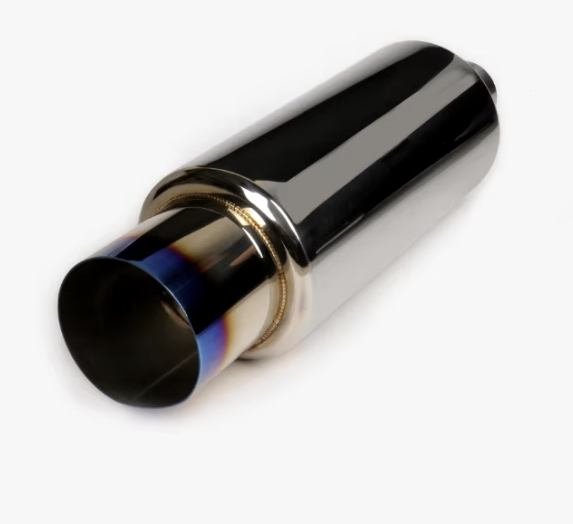
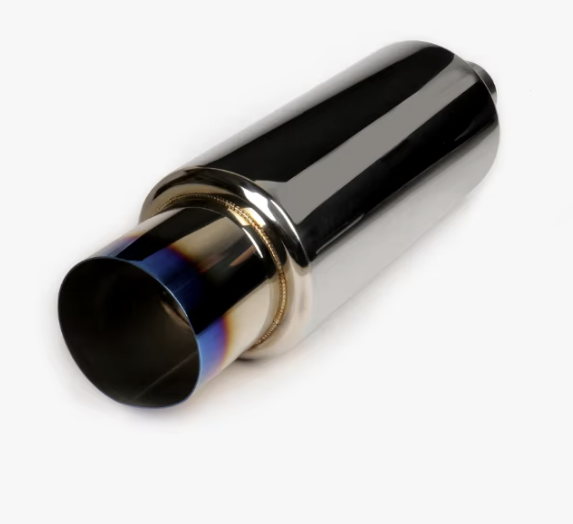
Titanium and stainless steel exhaust components remain among the highest-demand auto upgrade categories. Buyers in this space evaluate weight savings, corrosion resistance, and fitment precision. Whether you're a distributor sourcing for resale or an enthusiast upgrading a project car, understanding the product terms—wall thickness, mandrel bend radius, flange compatibility—is critical to getting the right part the first time.
3. Workshop Productivity & Maintenance
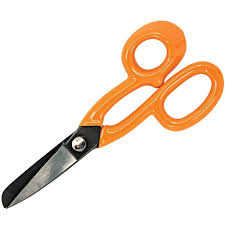
From ergonomic hand tools to industrial-grade cutting instruments, workshop productivity hinges on tool selection. Even seemingly simple tools like precision scissors and shears play a role in tasks such as trimming gaskets, cutting wiring harnesses, and preparing upholstery. The principle is the same across every category: match the tool's design intent to your specific application scenario.
Auto Gear Selection Checklist
Before placing an order—especially a bulk or wholesale order—run through this decision checklist. It's designed to reduce returns, improve satisfaction, and ensure you're buying with clear buyer intent:
- Define the application: What material are you cutting, installing, or modifying? Match the tool to the task.
- Check material compatibility: Stainless steel, carbon fiber, aluminum, and rubber each demand different blade types, coatings, and edge geometries.
- Evaluate durability vs. cost: A cheaper tool that needs replacing every week costs more than a premium tool that lasts a season.
- Confirm product terms: Verify dimensions, thread sizes, voltage ratings, or certification marks before ordering.
- Assess supplier reliability: Does the supplier offer OEM/ODM support? What's the lead time? Is there a minimum order quantity?
- Request a sample or quote: For any order above a few units, always request a sample to validate quality firsthand.
Comparison: Common Auto Tool Categories at a Glance
| Category | Primary Application Scenario | Key Product Terms | Buyer Intent Signal |
|---|---|---|---|
| Diamond Cutting Blades | Metal fabrication, body panel cutting | Blade diameter, arbor size, RPM rating | Commercial / Transactional |
| Exhaust Components | Performance upgrades, emissions compliance | Pipe diameter, material grade, bend angle | Commercial / Transactional |
| Precision Hand Tools | Wiring, gasket trimming, upholstery | Blade material, ergonomic grip, cutting length | Informational / Commercial |
| Workshop Equipment | Diagnostics, lifting, alignment | Load capacity, power source, calibration standard | Commercial / Transactional |
This table is a starting point. For deeper comparisons within any category, browse our full product catalog or explore detailed breakdowns on the blog.
What Makes Content High-Conversion for Auto Buyers?
High-conversion content in the auto space isn't about flashy copy—it's about removing friction from the buying process. Here's what actually moves the needle:
- Specificity over generality: Listing exact specs, compatible vehicle models, or industry standards builds trust faster than vague claims.
- Visual proof: Product images showing real-world use, dimensional diagrams, and packaging details reduce uncertainty.
- Structured comparison: Tables and checklists let buyers self-qualify, which shortens the sales cycle.
- Clear next steps: A visible inquiry link or quote request button converts intent into action. Don't make buyers hunt for it.
If you're a supplier or reseller building your own product pages, these same principles apply. For inspiration, see how we present the Auto Essentials: Must-Have Gear & Tools for 2025 guide—structured for both search engines and real decision-makers.
Trust Signals & Quality Assurance
In auto parts and tools, trust isn't optional—it's the baseline. Buyers evaluating suppliers should look for:
- Material certifications: ISO-compliant manufacturing, recognized steel grades (e.g., 304/316 stainless), and documented heat treatment processes.
- OEM/ODM capability: Suppliers who can customize to your specifications demonstrate production maturity.
- Consistent quality control: Batch testing, dimensional inspection reports, and traceable lot numbers separate professional suppliers from commodity resellers.
- Responsive communication: A supplier who answers technical questions quickly is more likely to resolve post-sale issues efficiently.
Recommended Products for Auto Professionals
Based on the application scenarios covered above, here are products worth evaluating:
- Diamond Blade: Precision Cutting Mastery Redefined — Ideal for auto body fabrication, metal panel cutting, and industrial maintenance tasks requiring clean, repeatable cuts.
- Ultimate Coffee Machine — For workshop and office environments where team productivity matters. A small investment in break-room quality pays dividends in morale.
- Auto Essentials: Top Gear & Tools for 2025 — Our companion guide covering additional categories and sourcing tips.
Frequently Asked Questions
What are buyer intent keywords in the auto industry?
Buyer intent keywords are search terms that signal a user is actively evaluating or ready to purchase auto products. Examples include "buy diamond blade for auto body," "wholesale exhaust pipe supplier," or "best precision cutting tool for metal fabrication." These keywords help suppliers create high-conversion content that meets buyers exactly where they are in the decision process.
How do I choose the right auto tool for my application scenario?
Start by defining the specific task—cutting, fitting, measuring, or upgrading. Then match the tool's rated capabilities (material compatibility, dimensions, power requirements) to your environment. Use the selection checklist above and, when in doubt, submit an inquiry with your requirements for a tailored recommendation.
What product terms should I verify before ordering auto parts?
At minimum, confirm dimensions (diameter, length, thread pitch), material grade, surface finish, and any applicable certification marks. For cutting tools, verify RPM ratings and arbor compatibility. For exhaust components, check pipe diameter, wall thickness, and flange type. Mismatched product terms are the leading cause of returns in auto parts sourcing.
Can I request OEM or custom specifications?
Yes. Many of the products available through our catalog support OEM/ODM customization. This includes custom dimensions, branding, packaging, and material substitutions. Reach out through our inquiry page with your specifications for a detailed quote.
Conclusion: Buy Smarter with the Right Auto Gear Strategy
The auto market rewards informed buyers. Whether you're sourcing precision cutting tools, performance exhaust components, or everyday workshop essentials, the path to a confident purchase runs through clear buyer intent, verified product terms, and content that respects your time. Use the checklist and comparison table above to shortlist your options, then take the next step.
Ready to source the right auto tools and gear for your operation? Submit an inquiry now to get a personalized quote, request samples, or discuss custom specifications with our team. You can also browse our complete product catalog to explore what's available today.